
Introduction: Why A Website Should Feel Like A Sales Conversation

- Imagine landing on a business website that talks to you—not at you. Instantly, you feel understood. It's like a great sales pro greeting you with a warm handshake, keen to solve your problem, not just push a pitch.
- Too often, web design misses this mark. Many business websites act like silent billboards, offering generic info without interaction. It's easy to overlook the human side of digital branding, but web design done right should mirror the natural, intuitive flow of a sales conversation where listening, empathy, and direction guide you toward a solution.
- That’s why the mindset shift from static pages to engagement-driven design isn’t just a trend—it’s a necessity. A sales conversation approach transforms casual browsers into loyal clients and makes your business website your greatest digital sales pro.
What You'll Learn From This Guide
- Why a website should feel like a sales conversation
- Core web design principles for the digital sales pro
- How business owners and small businesses can leverage sales process strategies online
- Real-life examples and actionable checklists
Defining A Website That Feels Like A Sales Conversation
What Does It Mean For A Website To Be Like A Sales Conversation?
- Static websites deliver content without response. In contrast, dynamic, conversion-driven sites engage visitors like a seasoned sales pro—listening, responding, and leading them toward a decision. The difference lies in the user experience: instead of being a one-way street, the conversation is interactive and personalized to a potential customer’s needs.
- Web design isn’t just about looks; it influences how people interact with your business website and move through your sales process. Features that prompt questions, offer guidance, and respond dynamically mimic how a good sales call flows—building rapport, trust, and interest.
- The sales pro mentality in digital experiences means anticipating objections, delivering the right information at the right time, and making the user feel like their needs are heard. This approach recognizes that a business website isn’t just an online storefront—it’s where many “sales calls” begin and end.
"Your website should be your best salesperson—available 24/7.”

Understanding Sales Process Principles In Web Design
Applying The Sales Process To Web Design
- Every great salesperson follows a proven process: greeting, identifying needs, presenting solutions, handling objections, and closing. The same structure brings clarity to web design. Your website’s home page greets visitors, service pages present tailored solutions, and CTAs serve as closers to move forward.
- Bridging the gap between classic sales pro techniques and effective web design is about mirroring these steps online. Use conversational copy and interactive elements to guide the user journey, answering questions before they need to be asked, and making it easy for visitors to feel like valued clients from their first click.
Integrating these sales-driven strategies into your website can be further amplified by leveraging digital channels that foster ongoing engagement. For example, incorporating social media marketing techniques can help extend your conversational approach beyond your website, allowing you to nurture leads and build relationships across multiple touchpoints.
Business Owners: Why You Need Sales-Focused Websites
- Studies show that sales-oriented websites enjoy significantly higher conversion rates. For example, a small business using conversational design increased online bookings by 30%—simply by embedding live chat and personalizing recommendations based on user behavior.
- Case Study: A boutique fitness studio revamped their business site, mapping each stage of the sales process to website pages and touchpoints. They replaced generic info dumps with tailored user flows and saw a dramatic boost in trial sign-ups and long-term memberships, underscoring the difference that sales process thinking can make for small businesses and business owners alike.
The Key Elements That Make A Website Feel Like A Sales Conversation
| Classic Web Design | Sales Conversation Web Design |
|---|---|
| Static text and generic images | Personalized greetings, dynamic content, real-time chat |
| One-size-fits-all service pages | Tailored recommendations and user-driven journeys |
| Contact forms hidden in the footer | Visible, actionable CTAs throughout the journey |
| Lack of feedback or interaction | Active feedback loops, surveys, and instant support |
Small Business And The Human Touch Online

- For small businesses, human presence is key. Incorporate customer photos, founder stories, and authentic testimonials to foster trust. Adding live video intros or friendly messaging widgets makes a business website feel more like a friendly chat than a silent brochure.
- Sales pros know the value of personalization: use smart recommendations, greet returning visitors by name, and tailor offers based on user history to set your site apart from cookie-cutter page builders. This creates a feeling of connection, transforming static visits into engaging, memorable experiences.
Web Design Tactics Derived From Proven Sales Pro Methods
- Build trust and rapport by addressing common objections in your FAQ, offering clear pricing, and using approachable language—just like a good sales call.
- Encourage two-way communication with chatbots or contact forms that respond instantly—mirroring a real sales conversation, not just leaving your visitor hanging.
- Make every call-to-action unmistakable. Prompt visitors to schedule consultations, start a chat, or request quotes, so they always know the next step to move forward—reducing friction and boosting conversions.
How To Map Your Sales Process Onto Your Website
Step-By-Step Instructions For Business Owners
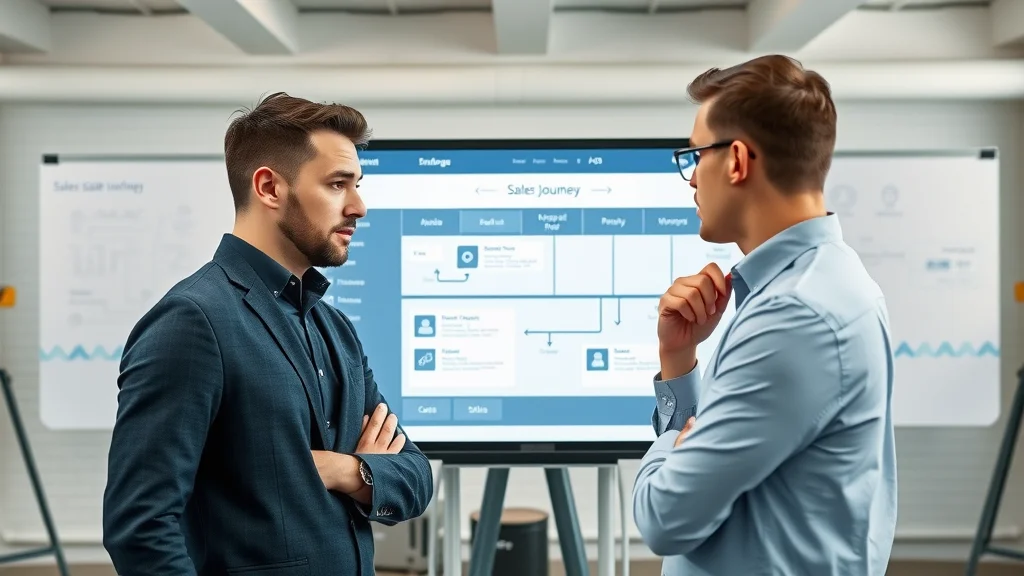
- Identify your sales process stages. Outline your typical sales journey—Awareness (homepage), Interest (solutions page), Consideration (service page), Action (contact or booking page).
- Map user journey to website navigation. Structure your website so each menu item and page mirrors a step in your process. Make it easy for the user to start talking or request information at each point.
- Optimize touchpoints for engagement. Add CTAs, chat features, and testimonials where users might need reassurance. Use analytics to adjust pathways for improving long-term engagement and conversions.
List: Essential Web Design Features To Support a Sales Conversation
- Chatbots and live chat for real-time visitor support
- Dynamic recommendations that guide towards relevant solutions
- Personalized offers based on user behavior or interests
- Contact forms that are simple, easy, and visible on every key page

People Also Ask: What Are The 7 C’s Of A Website?
The 7 C’s Of A Website Explained

- Clarity – Clear navigation and messaging that guides users easily.
- Credibility – Trust signals like testimonials, case studies, and certifications.
- Content – Relevant, well-organized, and persuasive information.
- Consistency – Unified branding, style, and tone across the site.
- Connectivity – Integrated social and communication channels for ongoing engagement.
- Convenience – Seamless, fast access to information and support.
- Customization – Personalized experiences that address unique user needs.
How The 7 C's Relate To The Sales Conversation Online
- Each “C” supports a stage in the sales process: Clarity greets visitors, Credibility reassures them, Content informs, Consistency builds trust over time, Connectivity fosters relationships, Convenience speeds up decisions, and Customization ensures every potential customer feels heard. When your web design combines all 7 C’s, your site acts like a great salesperson—attentive, adaptable, and always working to close the deal.
People Also Ask: What Is The 2 2 2 Rule In Sales?
Defining The 2 2 2 Rule
- The 2 2 2 rule suggests making contact twice on Monday, twice on Wednesday, and twice on Friday—ensuring consistent engagement with prospects. It’s a classic sales process tip for keeping potential customers moving forward in the funnel.
- Translated into web design, use automated messages, nurture email journeys, and dynamic on-site prompts that mimic regular, helpful follow-ups—so visitors never feel forgotten and your business website helps you build long-term relationships automatically.
People Also Ask: What Are The 5 F’s In Sales?
Breaking Down The 5 F's
- Find
- Focus
- Foster
- Follow-Up
- Finalize

Leveraging The 5 F’s Framework In Website Design
- Online, “Find” means attracting the right audience with targeted SEO and clear branding. “Focus” streamlines user pathways, reducing distractions so visitors move purposefully. “Foster” uses personalization and content to build relationships. “Follow-Up” translates to automated emails or chat follow-ups, and “Finalize” means having transparent pricing, easy checkouts, and visible CTAs that help visitors make a decision without doubt.
People Also Ask: What Is The 70/30 Rule In Sales?
Explaining The 70/30 Rule
- The 70/30 rule says a great salesperson should listen 70% of the time and talk just 30%. For web design, this means gathering user feedback, tracking behavior, and adjusting content to user needs—rather than pushing the hard sell and dominating the page.
- This mix is extremely effective because it feels less intrusive, encourages trust, and makes users feel like you understand their point of view, creating a good conversation that leads to more conversions long term.
Adapting The 70/30 Rule For Web Design

- Apply the 70/30 rule by building in feedback loops, smart surveys, user reviews, and interactive FAQs. Give your audience plenty of opportunity to “talk,” then use their feedback for continuous improvement, much like a sales pro would adjust their approach based on a potential customer’s responses.
Integrating Sales Pro Skills With Modern Web Design
The Role Of The Sales Pro In Website Planning
- For business owners and their marketing teams, collaborating between the sales pro and web design team results in a business website that speaks the language of your ideal client. A sales-driven web redesign checklist should include mapping the sales conversation, identifying every user touchpoint, and testing messaging for clarity and impact.
- Building websites with a sales pro mindset creates connections, drives conversions, and helps small businesses stand out in a crowded digital world. Remember, the best web design is rooted in human psychology—not just pixels and code.

Case Study Walkthrough: From Visitor To Client
- This case study demonstrates the impact of shifting from static, info-heavy designs to a dynamic, conversation-driven approach. Watch as a visitor starts as a casual browser, experiences personalized engagement through dynamic recommendations, and ends up booking a call—becoming a long-term client thanks to a sales process mapped directly onto the business website.
Sales Professionals Share Their Secrets
- Short video clips of expert sales pros reveal their best strategies for guiding design teams and business owners. Insights include scripting for live chats, using feedback analytics, and why great sales start with empathy and end with clear action steps for website visitors.
Common Mistakes: When A Website Doesn’t Feel Like A Sales Conversation
- Ignoring user journey mapping and not providing a starting point for visitors.
- Lack of personalization, making the site feel generic and uninspiring.
- No clear calls-to-action, leaving potential customers unsure how to move forward.
- Overly technical language that confuses rather than connects, forgetting the value of simple, approachable conversation.
"Treat every visitor like a valued client—even before they buy."
List: Questions Business Owners Should Ask Their Web Designer
- How will this site guide visitors through a sales process?
- What tools will support engagement and conversion?
- How will you measure sales conversation effectiveness?
FAQs: Making Your Website A True Digital Sales Pro
-
How do I know if my website is selling well?
Track conversion rates, session durations, and leads generated. Use heat maps and analytics to see if users complete desired actions. If visitors spend a lot of time bouncing around, it may be time for a redesign. -
What is the most important element for conversions?
A clear, compelling call-to-action that’s visible throughout each critical sales process stage. Clarity and ease of action are key for moving users forward. -
Can I apply sales process strategies to an e-commerce site?
Absolutely! Use conversational flows, personalized product recommendations, and live chat to mimic the in-store sales pro experience and boost cart completions. -
What analytics should business owners track?
Focus on lead generation, click-through rates, form completions, and sales funnel drop-off points—these reveal where the conversation falls flat and where improvements can make a difference.
Recap & Key Takeaways: A Website Should Feel Like A Sales Conversation

- Every successful business website puts the user at the center, offering a conversation—not a lecture.
- Sales process thinking benefits web design for business owners and small businesses, setting you apart from page builders and cookie-cutter templates.
- Websites optimized for conversation and connection convert more visitors into long-term, loyal clients.
Your Next Step: Transform Your Website Into A Sales Pro
"Your ideal website is just one conversation away."
- Audit your current site using the checklists provided above.
- Consult with web design and sales process specialists who understand small business challenges.
- Contact us for a tailored sales-focused web redesign that will position your site as your top-performing digital sales pro.
As you continue to refine your website into a true digital sales pro, consider how your online reputation and customer engagement strategies work together to drive growth. Exploring advanced approaches like integrated review management and social media marketing can help you build trust, amplify word-of-mouth, and create a seamless experience from first impression to loyal customer. By aligning your web design with broader digital marketing efforts, you’ll unlock new opportunities to connect, convert, and thrive in today’s competitive landscape.
Contact Us
- Call or Text us at (508)344-5927 or Email us at steveferguson@stevefergusonsearchenginemarketing.com



Write A Comment