Add Row
Add Element

Digital Dominance Journal


Steve Ferguson Search Engine Marketing

Add Element
  • Home
  • Categories
    • Content Marketing
    • Social Media
    • Reputation Marketing
    • Web Design
    • Blogging
    • Digital Marketing
    • Retargeting
    • News Sites
    • Review Management
    • Video Advertising
    • AI For Business
  • All Posts
  • Content Marketing
  • Social Media
  • Reputation Marketing
  • Web Design
  • Blogging
  • SEO
  • Digital Marketing
  • Retargeting
  • News Sites
  • Review Management
  • Video Advertising
  • AI For Business
February 22.2026
1 Minute Read

Don't Make This Costly Mistake in review generation!

Did you know that businesses with more than 25 recent reviews earn up to 108% more revenue than those with none? In today’s digital marketplace, review generation isn’t just about collecting stars. It’s about transforming your online reputation, fueling trust, and attracting more loyal customers. One critical misstep can undo all your hard-earned credibility—read on to find out how to sidestep the biggest mistake in review generation and leverage your five-star reputation for ultimate business growth.

Modern business owner reviewing positive customer feedback as part of review generation in a bright office with plants and review icons.

A Startling Statistic: Why Review Generation is More Critical Than Ever

Recent studies show that 72% of customers won’t take action until they read online reviews, and the vast majority will only trust a business with at least a four-star rating. Review generation directly impacts your brand’s online reputation, not just influencing conversion rates but also determining your visibility across major search engines like Google. By consistently inviting fresh customer reviews, companies signal to potential clients—and search algorithms—that they’re active, trustworthy, and responsive.

With review sites now playing a pivotal role in local business search engine rankings, brands lacking a robust review generation strategy are simply getting left behind. Not only do frequent review requests build essential social proof, but they also provide invaluable insights into customer experience, satisfaction, and public sentiment. If you rely solely on organic reviews, you risk missing out on conversions, losing your edge in search engine results, and making the costly mistake of falling behind competitors who’ve mastered review generation.

"Building a five-star reputation, and then marketing your reputation, is the best way to get more conversions and customers."

What You'll Learn About Review Generation

  • What review generation entails and why businesses need it
  • How review generation services and software can help
  • Risks and mistakes to avoid in review generation
  • The impact of online reputation on customer reviews and search engines
  • How to enhance your review request strategy for more 5-star reviews

Understanding Review Generation and Its Role in Reputation Management

Defining Review Generation: What Every Business Should Know

Review generation refers to the systematic approach businesses use to encourage, gather, and manage customer reviews across key platforms like Google, Facebook, Yelp, and industry-specific sites. Unlike passive review collection, effective review generation involves proactively reaching out to customers after a transaction, often via email or SMS, seeking honest feedback. This not only bolsters your online presence but also enhances your authority and trustworthiness in the eyes of both consumers and search engines.

Simply put, review generation isn’t about chasing a five-star rating—it’s about nurturing customer experience and continually improving service. Today’s successful businesses recognize that every customer review acts as a mini-endorsement, influencing search engine rankings and shaping the public’s perception. Integrated review generation software and review management tools make it easy to automate this process, saving time while ensuring consistency and compliance with platform guidelines.

Happy diverse customers leaving star ratings as part of review generation in a modern cafe background.

As you refine your approach to review generation, it’s also important to consider how your reputation management efforts can be amplified through complementary digital strategies. For example, integrating social media marketing can help you showcase positive reviews and engage with your audience more effectively—discover practical ways to align your review management with social media marketing best practices for even greater impact.

How Review Generation Impacts Online Reputation and Customer Reviews

Proactive review generation serves as the backbone of an outstanding online reputation. The more positive feedback you generate, the higher your standing among search engines—which, in turn, boosts your business ranking and drives more organic traffic. Customer reviews don’t just influence buyers; they also send powerful trust signals to search engines, improving your placement in local search results and increasing your brand’s social proof.

Best-in-class companies leverage review generation to uncover hidden strengths, correct negative feedback quickly, and showcase their commitment to customer satisfaction. Whether it’s through a structured review request after each completed job or through strategic review generation software, turning customers into advocates is crucial. Ultimately, a steady stream of authentic online reviews shields your reputation from isolated negative comments and ensures a continual cycle of growth and improvement for your business.

The Benefits of Using a Review Generation Service

Key Features of Top Review Generation Services

  1. Automated review requests via email and SMS
  2. Centralized dashboard for customer reviews management
  3. Prompt alerts and notifications for new reviews
  4. Integration with major online directories and social media

Sleek review generation software dashboard displaying customer feedback metrics and review notifications.

How Review Generation Software Streamlines Feedback Collection

Review generation software takes the pain and confusion out of the feedback collection process. Instead of manually tracking every transaction, the best generation software automates review requests, schedules reminders, and compiles ratings into an accessible, central hub. With tools like real-time notifications and customizable templates, you can respond to customer reviews promptly and maintain a consistent, professional brand voice.

This advanced automation not only saves time but also ensures that no satisfied customer’s input slips through the cracks. Integrated analytics allow you to monitor review trends, detect spikes in positive or negative reviews, and adapt your approach accordingly. By minimizing manual labor and maximizing efficiency, review management software helps businesses focus on what matters most: delivering exceptional service and building an unimpeachable five-star reputation across platforms.

Avoiding the Biggest Review Generation Mistake: Don’t Ignore Reputation Analysis

How Regular Reputation Analysis Helps Improve Your Customer Review Strategy

Ignoring ongoing reputation analysis is the most costly mistake in review generation. Many businesses focus solely on collecting reviews but neglect analyzing what customers are actually saying. A thorough reputation analysis examines the themes within customer feedback, negative trends, and areas ripe for improvement—empowering you to adapt and strengthen your customer review strategy in real-time.

Monthly reputation analysis delivers actionable insights into both your strengths and your weak points. By understanding sentiment and patterns across Google reviews, social channels, and top review sites, you’ll know exactly where your business shines and where proactive adjustments are needed. This holistic approach to review generation drives better search engine results, fosters customer satisfaction, and future-proofs your brand against the unpredictable nature of online reputation management.

Professional analyst reviewing reputation analysis charts for review generation in a modern meeting room.
Feature Review Generation Service Review Generation Software DIY Approach
Automated Requests ✔️ ✔️ ❌
Analytics & Reports ✔️ ✔️ ❌
Reputation Alerts ✔️ ✔️ ❌
Manual Labor ❌ ❌ ✔️

Effective Review Request Tactics for Better Customer Reviews

Email and SMS Campaigns for Improved Review Generation

Sending timely, thoughtful review requests through email and SMS is a proven way to boost both the quantity and quality of customer reviews. A personalized message sent soon after a sale or service completion leverages positive customer experience while it’s still fresh in the customer’s mind. The right review generation software makes it easy to tailor every request, gently encouraging recipients to share feedback on the platform of your choice—be it Google, Facebook, or industry-specific review sites.

Not only do these campaigns streamline the process, but timely automated follow-ups increase response rates by up to 60%. The result is a balanced and authentic collection of reviews that strengthens your brand’s visibility on search engines. By integrating review requests into your customer journey, you transform satisfied customers into powerful advocates, ensuring that your star rating and social proof remain robust and up-to-date.

Business person sending a review request via smartphone as part of review generation in a bright office lounge.

Simplifying the Review Request Process to Increase Response Rates

The key to driving more customer reviews is to make it as easy as possible for people to leave feedback. Complex, multi-step processes deter even your happiest clients. The best review generation services employ intuitive, one-click workflows—delivering customers directly to the review submission page of your chosen platform. When you make it easy for customers, you’ll see higher conversion rates and more consistent star rating improvements.

Smart review generation software can even pre-fill certain information or provide clear instructions, alleviating confusion and ensuring a smooth customer experience. It’s important to follow up at strategic intervals, provide incentive without violating platform guidelines, and always express appreciation for the customer’s time. By reducing friction and frustration, you’ll collect more positive feedback, maintain a higher average star rating, and organically enhance your online reputation across search engines and review sites.

Managing Negative Review Trends and Maintaining a Positive Online Reputation

Prompt Responses to Negative Reviews: Safeguard Your Brand and Reputation

Responding quickly and professionally to any negative review is a non-negotiable part of reputation management. Studies show that businesses regularly addressing complaints are viewed as more trustworthy, even if not every complaint can be fully resolved. Direct engagement demonstrates transparency, accountability, and a commitment to customer satisfaction—key ingredients for a resilient online reputation.

A proactive approach includes thanking the customer for their feedback, apologizing for the issue, and proposing a solution or means of follow-up. Review management software supplies prompt alerts for new reviews, making it easy to respond before negativity snowballs. Turning negative feedback into a positive customer experience protects your reputation, cultivates loyalty, and often results in updated, more favorable reviews from previously dissatisfied clients.

Learning From Reputation Trends and Customer Review Analytics

Monitoring and analyzing reputation trends enables you to spot patterns—both good and bad—within your customer reviews. Leading review generation services offer robust analytics dashboards, measuring customer sentiment over time. This insight helps business owners identify which products, employees, or services are consistently praised or criticized, providing a clear roadmap for improvement and innovation.

By leveraging regular analytics and trend reports, you can swiftly respond to emerging issues before they impact your star rating or online reputation. Whether it’s refining your review request strategy or addressing recurrent service gaps, learning from reputation analysis ensures you’re not just managing reviews, but systematically building a sustainable, positive online presence for long-term success.

Animated walkthrough of review generation software — highlighting key steps: sending requests, receiving positive feedback, and centralizing analytics, using bright branded colors and subtle motion graphics in a modern UI setting. Explore case studies of businesses earning countless 5-star reviews across Facebook, Google, and more, thanks to smart review generation strategies and software.

People Also Ask: What is Review Generation?

Comprehensive Overview of Review Generation and Its Importance

Review generation is the proactive process of inviting and nurturing customer reviews for your business on various platforms such as Google, Facebook, and Yelp. It is an essential component of online reputation management and directly impacts your ranking on search engines, brand credibility, and ability to attract new customers. By regularly sending out review requests, businesses encourage more positive feedback, build valuable social proof, and ensure a balanced portfolio of authentic reviews, all contributing to a healthier, more competitive online presence.

With today’s digital-first consumers evaluating businesses based on star ratings and online reputation before making a decision, structured review generation is more crucial than ever. Integrating automated review generation software makes it easy for companies of any size to stay on top of their reputation, respond to feedback, and remain competitive on key review sites.
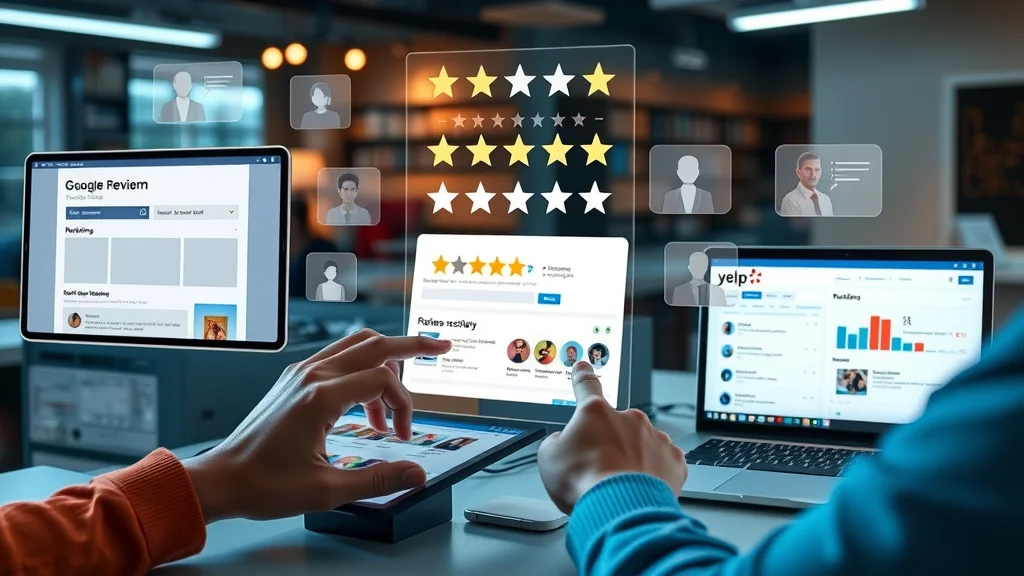
Collage of popular review platforms showing customer review generation and star ratings in a digital workspace.

People Also Ask: Is Review Boosting Illegal?

Understanding Legal and Ethical Aspects of Review Generation

While review generation is not illegal, businesses must operate within strict guidelines set by review platforms and regulatory bodies. “Review boosting”—the act of purchasing or fabricating fake reviews—violates the terms of service for major sites like Google and Yelp, and can lead to heavy penalties, account suspension, or public loss of trust. Authenticity is paramount: only real, voluntary customer feedback should be solicited and shared.

The safest approach is to use reputable review generation services and software to automate and manage the review request process, ensuring every review reflects an actual customer’s experience. Transparency and ethical practices not only keep your brand compliant, but also deliver the best possible results in both search engine rankings and customer conversions.

People Also Ask: Will Amazon Pay Me to Write Reviews?

Amazon’s Policies on Customer Reviews and Compensation

Amazon strictly prohibits compensating customers for reviews in any form—including cash, discounts, or free products—unless clearly identified as part of the Amazon Vine program. Attempting to “buy” reviews or incentivize feedback outside these guidelines can result in penalties or an account ban. The company’s policies are designed to ensure that every review is unbiased and represents a genuine customer experience.

If you’re a business looking to encourage legitimate reviews on Amazon, the best strategy is transparent, neutral review requests that do not offer incentives or hint at any kind of compensation. For clarity and compliance, always refer to Amazon’s official guidelines before launching your review generation campaigns in their marketplace.

People Also Ask: What is the Best Consumer Review Site?

Top Platforms for Customer Reviews and Review Generation

The most influential review sites for both review generation and consumer trust are Google, Facebook, and Yelp, each boasting vast reach and visibility in search engine results. Google reviews are often considered the gold standard, appearing directly in local search and Maps listings, and carrying strong SEO weight. Facebook enables direct interactions with customers and close integration with your social media marketing, while Yelp remains the go-to for many local and service-oriented businesses.

Other notable platforms include TripAdvisor (for travel and hospitality), Better Business Bureau, and industry-specific directories. For businesses serious about their online reputation, deploying a review generation software that supports integration across the major review sites ensures maximum coverage and influence. Continually monitor which platforms drive the most engagement, and adjust your review request strategy for optimal results.

Expert Tips: Building and Marketing a Five-Star Reputation

  • Consistent review requests
  • Leveraging online reputation analysis
  • Promoting customer reviews across social media
  • Monitoring reputation trends closely
  • Responding promptly to both positive and negative reviews

Remember: The best form of content you can market is your own reputation. Collect, analyze, and showcase your five-star reviews to build authority and attract new customers daily.

FAQs on Review Generation and Reputation Management

  • How does review generation software work?
    Review generation software automates the process of requesting, collecting, and managing customer reviews. It sends out personalized review requests, aggregates feedback, and provides analytics to help you strengthen your online reputation quickly and efficiently.
  • What are best practices for requesting customer reviews?
    Send review requests soon after a positive transaction, keep messages short and polite, and provide customers with an easy, direct link to leave feedback. Never pressure clients, and thank them for their time regardless of the review outcome.
  • Can I remove a negative review?
    Most review sites only allow removal of reviews that violate specific content guidelines (spam, hate speech, etc.). Otherwise, your best approach is to publicly respond, offer solutions, and demonstrate your commitment to customer satisfaction.
  • Which review generation service is best for small businesses?
    The best service depends on your industry and needs, but look for providers that offer automation, analytics, prompt alerts, and easy integration with Google, Facebook, and other key platforms—preferably backed by stellar customer support.

Key Takeaways on Review Generation and Online Reputation

  • Active review generation leads to improved search engine rankings and more customers
  • Ignoring reputation analysis can result in lost trust and revenue
  • The right review generation service or software can streamline the process and boost customer reviews

Ready to Enhance Your Review Generation? Call Or Text Us At (508)344-5927 Or Email Us At steveferguson@stevefergusonsearchenginemarketing.com

Don’t let another day go by without investing in your business’s five-star reputation. Your customers—and your bottom line—are counting on it!

Conclusion: Invest in Smart, Strategic Review Generation to Protect and Grow Your Business

Start building, analyzing, and marketing your reputation with proven review generation tools. Safeguard your online presence and convert more prospects into satisfied customers.

If you’re ready to take your reputation management to the next level, consider how a holistic digital marketing approach can further amplify your results. By weaving together review generation, social media engagement, and targeted content strategies, you can create a powerful online presence that attracts and retains loyal customers. Explore how integrating your review management with advanced social media marketing techniques can unlock new growth opportunities and set your business apart in a competitive landscape. The next step in your journey to a five-star reputation is just a click away—discover the strategies that will keep your brand thriving for years to come.


Reputation Marketing

0 Views

0 Comments

Write A Comment

*
*
Related Posts All Posts
02.22.2026

Unlock the Magic of digital marketing strategies Today

Did you know that 93% of online experiences begin with a search engine, yet only 7% of small business owners consider reputation management in their digital marketing strategies? If you’re looking for new ways to outshine your competition and boost your brand, understanding and implementing effective digital marketing strategies is the secret ingredient to standing out online. Whether you’re a small business or an established brand, the right marketing tactics can multiply your reach, establish trust, and transform curious browsers into loyal customers. Let’s dive into how you can unlock the full potential of your digital marketing strategy, with a focus on reputation management that fuels real results. A Startling Look at Digital Marketing Strategies: Surprising Trends and Stats "Did you know that 93% of online experiences begin with a search engine, yet only 7% of small business owners consider reputation management in their digital marketing strategies?" Understanding the landscape of digital marketing strategies starts with recognizing just how central online reputation and visibility have become. The vast majority of consumers begin their search for products and services online, primarily through search engines like Google. This underscores the critical role that search engine optimization (SEO) and reputation management play in any marketing plan. Consumers are not just looking for businesses—they are looking for trust signals, positive reviews, and a credible online presence. Failing to include reputation management means missing out on a core driver of conversions and brand authority. Further, studies reveal that businesses responding promptly to customer reviews see up to a 15% boost in their conversion rate. More than half of consumers expect brands to address negative feedback within 24 hours, and yet, many marketing strategies overlook this opportunity. A holistic approach to digital marketing strategy means integrating robust monitoring, fast response, and proactive reputation building into your marketing campaigns. As a result, businesses that prioritize their digital reputation gain not only higher rankings in search results but also stronger customer loyalty and increased sales. What You'll Learn About Digital Marketing Strategies Key elements of effective digital marketing strategies How to build and analyze your online reputation Practical steps for crafting a winning marketing plan Expert insights on maximizing conversion rate and leveraging digital channels Understanding Digital Marketing Strategies and the Essential Marketing Plan Defining Digital Marketing Strategies—Core Components A digital marketing strategy is a structured and data-driven approach for achieving your business goals through online channels. The core components include SEO, content marketing, email marketing, social media, and, crucially, reputation management. Effective digital marketing strategies align each of these elements with your overall marketing plan, ensuring that every campaign—whether organic or paid—reinforces your brand’s message and builds sustained engagement. By integrating key steps such as competitive analysis, KPI measurement, and customer feedback collection, an effective digital marketing strategy maximizes visibility and generates leads across critical digital channels. The methodology also involves identifying which digital channels best fit your target audience. For some brands, Instagram and TikTok are sources of earned media and rapid engagement, while others succeed through blog content and Google search rankings. The strategy involves blending channels harmoniously, adapting messages for each platform, and scheduling campaigns for optimal reach. Importantly, success is measured by real data, such as growth in conversion rate, positive online reviews, and increases in brand awareness. When considering which digital channels to prioritize, it's essential to evaluate how each platform aligns with your brand's goals and audience preferences. For a deeper dive into optimizing your presence and campaigns across platforms like Facebook, Instagram, and LinkedIn, explore these actionable social media marketing strategies that can help you maximize engagement and brand visibility. The Relationship Between Digital Marketing Strategy and Marketing Plan A marketing plan is your roadmap, detailing your business’s high-level goals, budgets, timelines, and tactics, while a digital marketing strategy defines how you’ll accomplish these goals in the digital realm. Think of the strategy as the “what” and the plan as the “how. ” The plan includes calendarized actions, team assignments, resource allocation, and metrics tracking. Synchronizing your digital marketing plan with your overall business strategy ensures every campaign, from content marketing to social media engagement and reputation building, works toward measurable outcomes. A strong plan will always emphasize touchpoints that drive the most engagement—such as responsive review management, targeted ad campaigns, and conversion rate optimization. Ultimately, an actionable digital marketing plan should be flexible, leveraging real-time reputation analysis and ongoing campaign data to course-correct and seize new opportunities as they arise. Why Reputation Management Should Be Central to Your Digital Marketing Plan Reputation management isn’t just a bonus—it’s the foundation of a successful digital marketing strategy. Every review, rating, and social mention shapes public perception and directly influences buying decisions. When potential customers encounter your brand online, what they see—star ratings, testimonials, complaint resolutions—affects trust and likelihood to convert. Including proactive reputation building tactics, like gathering feedback through personalized email and SMS campaigns, ensures your brand is always one step ahead. By leveraging real-time alerts and monthly reputation analysis, you get granular insight into customer sentiment and can adjust offerings, messaging, or service approaches. In essence, “building a five-star reputation, and then marketing your reputation to get more conversions and customers,” as industry experts suggest, demonstrates that the most powerful form of content marketing is your own satisfied customer base. The Role of Reputation Management in Digital Marketing Staying on Top of Reviews Across Social Media and Online Directories With so many review sites, social media platforms, and online directories, tracking what’s being said about your business can feel overwhelming. Fortunately, modern reputation management tools provide prompt alerts and notifications whenever customers leave feedback. By monitoring reviews on Google, Facebook, Yelp, and industry-specific directories, you gain the ability to respond quickly and maintain a positive brand image. This vigilance across your most important digital channels builds trust, improves transparency, and can directly impact your search engine rankings. Staying informed isn’t just about avoiding negative publicity—it’s a strategic move for growing revenue. Businesses that regularly engage with customer feedback see more repeat business, stronger SEO results, and higher conversion rates. By integrating review monitoring into your digital marketing strategy, you demonstrate to both customers and search engines that your brand is responsive, reputable, and worth choosing. Responding Promptly: How Reputation Management Impacts Your Conversion Rate Timely responses to online reviews—especially negative ones—signal to potential customers that your business cares. Research shows that companies addressing complaints within 24 hours can see up to a 25% higher conversion rate compared to those who don’t. Prompt replies build goodwill, convert dissatisfied customers into brand advocates, and encourage positive word-of-mouth across social media and beyond. Moreover, search engines and review aggregators favor businesses with a record of active, thoughtful engagement. Making responsive reputation management a routine element of your digital marketing plan not only improves sentiment but also boosts your online authority. A successful digital marketing strategy should always include plans and protocols for real-time reputation monitoring and engagement—making customer feedback a fresh, ongoing source of content and improvement. Reputation Analysis: Data-Driven Digital Marketing Tactics Advanced reputation analysis powers your decisions with data. Monthly reports, sentiment analysis, and review trend visualization reveal actionable insights—what products impress customers, which services generate mixed feedback, and where opportunities lie to strengthen your brand. By connecting reputation analysis with other marketing tactics, such as retargeting campaigns or tailored content, you make every marketing dollar count. Effective digital marketing strategy involves not just collecting feedback but understanding it. This ongoing analysis helps you spot patterns, measure ROI, and fine-tune campaigns for optimal results. Ultimately, robust reputation analysis transforms customer feedback from passive comments into powerful data points—a competitive edge in today’s fast-paced marketing world. Building a Five-Star Reputation and Leveraging It for Digital Marketing Success Collecting feedback via email and SMS campaigns Driving reviews to top platforms with simple rating pages Content marketing—spotlighting your best reviews To build a five-star reputation, your digital marketing strategy should prioritize not only review monitoring but also active reputation building. Start by collecting customer feedback efficiently through email and SMS campaigns. Automated yet personalized messages invite honest opinions and direct satisfied clients to leave public reviews on platforms like Google, Facebook, and Yelp. Leverage simple, user-friendly rating pages so customers can easily share their experiences. The next level of reputation marketing involves integrating standout reviews into your content marketing. Highlight top testimonials on your website, social feeds, and newsletters. Showcase customer stories and five-star moments in blog posts, videos, and infographics to boost brand awareness and credibility. As your positive reputation grows, it becomes the most persuasive content you can share—attracting new audiences and increasing conversions organically. Digital Marketing Strategy Fundamentals: Step-by-Step Guide Identifying and Engaging Your Target Audience Effective digital marketing starts with a deep understanding of your target audience. Who are your ideal customers? What are their pain points, preferences, and habits? Segment your audience by demographics, psychographics, and behavioral trends. Use surveys, website analytics, and social listening tools to gather meaningful data. This foundation allows your marketing strategy to deliver the right message, at the right time, on the right channel. Once identified, tailor your marketing tactics to engage each audience segment where they are most active. Personalized email marketing, niche social media campaigns, and helpful blog content all work in concert to build brand loyalty and drive conversions. Remember, a successful digital marketing strategy hinges on knowing—and connecting with—your audience on a personal level. Selecting the Right Digital Channels for Your Brand Choosing the right mix of digital channels is vital to growing your presence and achieving your business goals. Not every channel works for every brand. B2B companies may thrive on LinkedIn and email marketing, while lifestyle brands might find more success leveraging Instagram, YouTube, or influencer partnerships. Consider where your target audience spends time—then design campaigns that fit the platform’s strengths. Be sure to balance paid media (ads), owned media (your website and email lists), and earned media (reviews and shares). Integrating these channels creates a seamless customer journey and maximizes reach. A comprehensive digital marketing plan should map out each channel’s role, expected outcomes, and how they connect to your overall marketing objectives. Effective Digital Marketing Tactics: Paid, Organic, and Hybrid Every successful digital marketing strategy blends paid, organic, and hybrid tactics. Paid advertising, such as PPC and sponsored social media posts, drives immediate traffic and lead generation. Organic efforts, like search engine optimization and content marketing, build authority over time and attract loyal followers. Hybrid tactics combine elements—think influencer campaigns that mix organic reach with paid collaboration, or retargeting ads to nurture once-engaged prospects. Experimentation and tracking are key. Measure the ROI of each tactic, test campaign variations, and let data guide your refinements. Assign clear roles to each tactic in your digital marketing plan—from boosting brand awareness to improving conversion rate. Ultimately, the right combination of paid, organic, and hybrid approaches will align with your business goals and deliver sustainable digital growth. Crafting a Practical Marketing Strategy for Small Business Growth Setting Clear Goals: From Brand Awareness to Better Conversion Rate For a small business, setting attainable, measurable goals is the starting point for a focused marketing plan. Goals should range from strengthening brand awareness to increasing website traffic, generating leads, and ultimately raising your conversion rate. Use the SMART criteria (Specific, Measurable, Achievable, Relevant, Time-bound) to keep objectives actionable and trackable. Knowing your goals defines which digital marketing strategies you should prioritize. For example, if your focus is on capturing more local leads, local SEO and Google My Business reviews should be top priorities. Meanwhile, a brand looking to expand nationally might invest heavily in paid social media campaigns and influencer partnerships. Match your goals to your online actions for a truly effective marketing plan. Tailoring Marketing Tactics to Your Niche and Target Audience Personalization is the secret to outpacing competitors. Tailoring your marketing tactics involves in-depth research on your industry niche and adjusting messaging, offers, and creative to your target audience. For a boutique fitness studio, share client success stories via Instagram Reels and gather feedback for monthly newsletters. For a B2B tech startup, invest in thought leadership articles and LinkedIn prospecting. Don’t be afraid to experiment. A successful digital marketing strategy evolves—testing different content formats, social platforms, or ad messaging. Use reputation analysis and continuous feedback to refine your approach, keeping every marketing campaign aligned with your audience’s evolving preferences and expectations. Monitoring and Adjusting Your Digital Marketing Plan The digital marketplace is dynamic. What worked last quarter may underperform today. That’s why regular monitoring and adjustment are crucial parts of your digital marketing plan. Track metrics like website visits, review trends, conversion rate, and engagement rates. Use dashboards and analytics tools to visualize results and quickly spot opportunities or issues. Monthly reputation analysis sessions help you understand customer sentiment shifts. Using this data, you can update tactics—maybe focusing on a rising platform or doubling down on high-performing campaigns. The best digital marketing strategies embrace change, leveraging both positive and negative feedback to fuel growth and ensure lasting success. Tables: Comparing Digital Marketing Strategies and Their Effectiveness Strategy Main Features Average ROI Best Practices Email Marketing Personalized messaging, automation, direct customer interaction $42 for every $1 spent Segment lists, A/B test content, monitor open & click rates Content Marketing Blog posts, videos, infographics, brand storytelling 3x more leads than paid ads Focus on value, optimize for SEO, highlight top reviews Social Media Community building, two-way engagement, shareable content Up to 100% increase in brand exposure Consistent posting, real-time responses, influencer collaboration Search Engine Optimization (SEO) Website optimization, keyword targeting, local business visibility Higher long-term traffic Regular updates, technical SEO, review signals Reputation Management Monitor reviews, manage responses, build trust 15-25% higher conversion rates Immediate response, proactive review requests, analysis Short explainer: Watch how multiple social media channels can work together to drive brand growth using interactive tactics and integrated user reviews. Digital Marketing Strategies for Social Media Dominance Optimizing Campaigns Across Facebook, Twitter, LinkedIn, Instagram, and YouTube To win on social media, tailor your approach for each platform. Facebook is ideal for community building and ad targeting, Instagram for high-impact visuals and influencer collaborations, LinkedIn for B2B networking, Twitter for real-time conversation, and YouTube for educational or storytelling content. Scheduling and cross-posting tools streamline content delivery, ensuring consistency and maximizing engagement. A strong digital marketing strategy empowers your team to experiment with live videos, polls, stories, and user-generated content. Monitor analytics to identify what resonates. Then, amplify high-performing posts through sponsored reach or organic shares. This multi-channel synergy grows your audience and makes reputation marketing a visible, engaging process. Social Listening and Responding: Best Practices Social listening means actively monitoring mentions, hashtags, and direct messages about your brand. Respond quickly and authentically—thanking your supporters, addressing concerns, and celebrating five-star reviews. Best practices involve setting notifications for key channels and drafting response templates in advance for common queries. This two-way dialogue builds trust and rallies brand advocates. Your digital marketing strategy should include a social response schedule, dedicated team members for listening, and clear policies for crisis management. By making your audience feel heard, you not only resolve problems but turn casual followers into lifelong customers. People Also Ask: What Are the Four Digital Marketing Strategies? 1. Content Marketing, 2. Search Engine Optimization (SEO), 3. Social Media Marketing, 4. Email Marketing Answer: The four core digital marketing strategies are content marketing, SEO, social media marketing, and email marketing. Each plays a crucial role in creating a comprehensive digital marketing plan that addresses reputation management, reaching target audiences, and optimizing conversion rates. People Also Ask: What Are the 7 Types of Digital Marketing? List of the 7 Major Types—Content, SEO, SEM, Social Media, Email, Affiliate, Influencer Answer: The seven major types include content marketing, search engine optimization, search engine marketing, social media marketing, email marketing, affiliate marketing, and influencer marketing. These strategies can be individually tailored or combined within a digital marketing strategy. People Also Ask: What is the 7 11 4 Rule of Marketing? Explanation of the 7-11-4 Rule and Its Application in Digital Marketing Answer: The 7-11-4 rule suggests a customer needs 7 hours of interaction, across 11 touchpoints, over 4 separate locations to make a purchase. Applying this rule to digital marketing strategies drives marketing plans that focus on multiple digital channels and consistent brand building. People Also Ask: What Are the 6 Digital Marketing Strategies? Six Strategic Pillars for Effective Digital Marketing Answer: The six digital marketing strategies are SEO, content marketing, social media, email marketing, paid advertising, and reputation management. Each component is critical to a robust digital marketing plan. Developing an Effective Digital Marketing Plan for Today’s Market Integrating Search Engine Optimization and Conversion Rate Optimization A forward-thinking digital marketing plan merges SEO and conversion rate optimization (CRO) for compounding results. Start by refining on-page SEO—keyword-rich content, mobile responsiveness, fast load times—and elevate your authority through backlinks from reputed sites. Layer in CRO: design clear calls-to-action, simplify conversion paths, and test design variations to increase leads and sales. Regularly analyze what terms drive the most traffic and which landing pages convert best. Bridging SEO and CRO yields a digital marketing strategy that attracts qualified prospects and smoothly turns them into paying customers—all while improving your reputation with user-friendly service and transparency. Choosing Digital Channels and Measuring ROI Not all marketing tactics are created equal—some platforms yield higher engagement or conversions than others. Your digital marketing plan should define key performance indicators (KPIs) for each channel, from email open rates to social media shares and review volumes. Utilize analytics dashboards to track performance and financial outcomes, adjusting spend for the highest-ROI channels as your campaigns progress. Test regularly, eliminate underperforming tactics, and double-down where you see success. An agile digital marketing strategy lets you pivot quickly, ensuring your marketing campaigns always align with your business goals and deliver measurable benefits. Using Reputation Analysis to Improve Your Digital Marketing Strategy Monthly reputation analysis should guide ongoing improvements to your digital marketing plan. Look for patterns in feedback: are there recurring customer concerns you can address in your FAQs or social posts? Are some campaigns driving more five-star reviews than others? Continuously optimizing messaging, offer delivery, and service in response to real feedback closes the loop, making customer praise your strongest conversion tool. In summary, integrating active reputation management, smart channel selection, and a commitment to digital excellence leads to “building a five-star reputation, and then marketing your reputation to get more conversions and customers. ” It’s the foundation for a truly effective marketing strategy in today’s world. Key Takeaways for Implementing Digital Marketing Strategies Start with comprehensive reputation management as a foundation. Leverage multiple digital channels for maximum reach and engagement. Monitor feedback and reputation analytics regularly. Continuously refine your marketing strategy for optimal conversion rate. Frequently Asked Questions—Digital Marketing Strategies What is digital marketing and how does it differ from traditional marketing? Digital marketing leverages online channels—such as search engines, social media, email, and websites—to promote products, services, or brands. Unlike traditional marketing, which focuses on offline channels like print and broadcasting, digital marketing allows real-time tracking, precise targeting, and interactive engagement. The result is greater flexibility, lower costs, and the ability to measure and improve your strategy quickly. How can small businesses maximize results from digital marketing strategies? Small businesses maximize results by focusing on high-impact areas: reputation management (collecting and showcasing positive reviews), leveraging niche-specific social media, running targeted email campaigns, and investing in local SEO. Setting clear, realistic goals and monitoring progress through analytics ensures every marketing dollar yields strong returns. Regularly updating tactics based on what’s working keeps strategies effective and competitive. What tools are essential for monitoring reputation in a digital marketing plan? Key tools include Google Alerts, review monitoring platforms like BirdEye or Podium, social listening suites (Hootsuite, Sprout Social), and analytics dashboards (Google Analytics, SEMrush). These tools help automate the process, provide real-time alerts, and allow for swift responses to both positive and negative feedback across multiple channels. Ready to Transform Your Business? Call Or Text Us At (508)344-5927 Or Email Us At steveferguson@stevefergusonsearchenginemarketing.com Make reputation management and smart digital marketing strategies the cornerstone of your growth. Start today, and turn every happy customer into your next conversion! If you’re eager to take your digital marketing results even further, consider exploring advanced approaches that integrate review management with your overall online presence. By mastering both the tactical and strategic sides of digital marketing, you can create a seamless customer journey that builds trust and drives sustainable growth. For a comprehensive look at how review management fits into a broader marketing ecosystem—and to discover additional ways to elevate your brand—visit our in-depth guide on review management and social media marketing. Unlock new opportunities to connect with your audience and position your business for long-term success.

02.21.2026

Discover the Hidden Power of social proof to Win Customers

What if you could double your sales just by showcasing what your existing customers already say about you? Research shows that a staggering 92% of consumers trust peer recommendations far more than traditional advertising. In a world overflowing with choices, social proof is your most powerful asset for standing out, building trust, and converting new customers. This comprehensive guide will reveal how to harness the “hidden power” of social proof to build a five-star reputation and win more business—no matter your size or industry. Unlocking Social Proof: Startling Insights That Reshape Customer Decisions "92% of consumers trust recommendations from peers over advertising – the undeniable reason why social proof works." Social proof works because it taps into basic human psychology—the tendency for people to look at the actions and decisions of others to guide their own. This natural behavior, also known as herd behavior, makes potential customers more likely to trust a product or service after seeing a lot of people recommend it. Think about how you check product reviews before making a purchase or look for five-star ratings when picking a restaurant. That’s the proof effect in action. In this era of digital word-of-mouth, social media, online directories, and review platforms serve as public stages where your reputation is constantly being shaped. Not only do potential customers want confirmation that they’re making the right choice, but platforms like Facebook, Google, Yelp, and Instagram also amplify every piece of feedback, positive or negative. To truly win customers in this landscape, businesses must embrace not only reputation management — staying alert to every review — but also reputation building and reputation analysis. It’s not enough to wait for reviews to happen; brands must proactively collect feedback, display their best testimonials, and constantly analyze their standing across every platform. The power of social proof lies in making these actions visible, consistent, and persuasive. As you refine your approach to social proof, it's also valuable to consider how your broader social media marketing strategy can amplify your reputation efforts. Integrating social proof with targeted social campaigns ensures your positive feedback reaches the right audience at the right time. What You'll Learn in This Guide to Social Proof The psychological foundations of social proof Key types and mechanisms of social proof How social proof works in the digital era Practical strategies for reputation management and analysis Real-world case studies showcasing the impact of social proof How to leverage reviews and social media for reputation building Actionable tips to build five-star reputations and convert more customers What is Meant by Social Proof? Defining Social Proof in Marketing and Business Social proof is a psychological phenomenon where people copy the actions of others to determine the correct behavior in a situation. In marketing, it refers to displaying evidence—such as customer reviews, expert endorsements, awards, certifications, and social media engagement—that others have chosen or recommended a product or service. Simply put, if people trust and endorse you, new customers are far more likely to make choices in your favor. In today's hyper-connected world, social proof extends far beyond traditional “word of mouth. ” It includes everything from online product reviews, social media likes and shares, video testimonials, and influencer shout-outs. Businesses of every size—whether launching a new brand or protecting a legacy—use social proof as the backbone of reputation management and growth. The Psychology of Social Proof: Insights from Robert Cialdini Dr. Robert Cialdini, renowned social psychologist and author of "Influence: The Psychology of Persuasion," identified social proof as a core principle influencing human behavior. According to Cialdini, individuals use social cues as mental shortcuts to decide how to act, especially when they're uncertain. This “following the crowd” phenomenon means that each positive review or high-profile endorsement isn't just feedback—it's a silent recommendation to every potential customer who sees it. The proof is a psychological lever: when people observe a product or service gaining popularity or approval, they infer it's worthy of their trust. This is why brands focus so much on amassing five-star reviews and visible displays of customer satisfaction. The more these signals are amplified across social media and directories, the more powerful the social proof effect becomes. How Social Proof Works: Core Mechanisms Explained Social proof works through several distinct mechanisms. First is uncertainty reduction: when a new customer faces risk or unfamiliarity, seeing others have positive experiences gives them confidence. Second is herd behavior: the more people endorse a product or service, the safer and smarter it feels to join in. Third is authority endorsement: recommendations from experts or industry leaders boost perceived value instantly. These mechanisms can transform potential customers into loyal clients with the right strategy. Publicly displaying positive product reviews, showcasing awards and certifications, and encouraging social media engagement all signal trustworthiness. Businesses that monitor reviews, respond promptly, and actively build a five-star reputation set themselves up for continuous word-of-mouth referrals and increased conversions. Watch: Animated explainer: What Makes Social Proof Work in Customer Behavior? Exploring the Types of Social Proof and How Social Proof Works in Practice Expert social proof (endorsements from authorities) User social proof (customer reviews/ratings) Social media social proof (likes, shares, follows) Wisdom of the crowd (large groups validating choices) Certification, awards, and seals as social proof works Comparison Table: Types of Social Proof, Impact Level, and Where to Use Them Type of Social Proof Impact Level Where to Use Expert Endorsements Very High Website, Ads, Landing Pages User Reviews & Ratings High Product Pages, Social Media, Directories Social Media Engagement Moderate-High Social Profiles, Sharing Buttons Wisdom of the Crowd High Event Signups, Product Launches Certifications & Awards High About Pages, Footers, Press Releases Different types of social proof serve distinct purposes. Expert endorsements instantly signal authority, while user reviews remove doubt for on-the-fence buyers. Social media engagement—likes, shares, comments—validates popularity and encourages audience members to engage further. The “wisdom of the crowd” is powerful when a large group recommends a choice, as seen with bestsellers or viral products. And awards or certifications give brands instant credibility. The key is to use every form of social proof strategically across the touchpoints where potential customers make choices—highlighting testimonials on landing pages, embedding star ratings in ads, and making achievements visible on every online profile. Why Is Social Proof So Important for Business Success? Social Proof Drives Conversions and Builds Trust The primary reason social proof works so well is because it short-circuits skepticism. When a potential customer sees that a lot of people—especially real people—have praised a product or service, their hesitation melts away. Case studies repeatedly reveal that businesses with strong reputations and visible social proof get more clicks, calls, and purchases. Social media does more than just spreading the word: it broadcasts customer satisfaction at scale. Whether it's glowing customer reviews on Google, viral Facebook shares, or LinkedIn recommendations, every positive mention acts as a micro-endorsement for your brand. When this content gets highlighted on your website, in ads, and across directories, it makes your value proposition feel instantly credible—helping to build trust with every site visitor. Social Proof in Reputation Management and Analysis Reputation management is no longer optional—it's mission-critical. Businesses must be on top of every review, alert, and notification so they can respond promptly to customer feedback. The best software enables instant alerts and an overview of what people are saying across all directories and social media channels. This helps companies not only resolve issues quickly, but also identify trends and proof in action—what customers love, and areas for continuous improvement. Reputation analysis takes things deeper. By reviewing monthly trends, tracking the sentiment of customer reviews, and benchmarking against competitors, businesses gain actionable insights. These insights can drive new marketing campaigns, product updates, or enhanced service protocols—ultimately turning customer feedback into your most powerful form of social proof. Building Five Star Reputations: Online Directories & Social Media Consistent five-star reviews on online directories and social media platforms are your digital badge of honor. Top businesses use proactive reputation building strategies: sending review requests via email and text messaging, collecting feedback with surveys and questionnaires, and always encouraging happy customers to leave public endorsements with a simple click. The best brands understand that your reputation is your marketing. That’s why they showcase glowing reviews across platforms like Facebook, Twitter, LinkedIn, Instagram, and YouTube. Displaying badges, ratings, and testimonials in your marketing material not only builds trust but motivates new customers to follow suit—fueling a virtuous cycle of reputation and business growth. Examples of Social Proof in Real-World Scenarios Case Studies: How Social Proof Helped Brands Succeed Consider the proof in action: a local restaurant leverages customer reviews on Google and Facebook, resulting in a 30% increase in new customer visits within three months. An online retailer that highlights social proof—displaying aggregated reviews, testimonials, and press recognition—sees a 25% improvement in conversion rate. These case studies underscore how the social proof effect can directly boost top-line revenues and elevate brand authority. Not every example is high-profile; sometimes, the most dramatic impact comes from simple steps. A small business might run a reputation management campaign to respond graciously to every review, resulting in a flood of positive press and five-star rankings across directories. The secret is consistency and visibility: the more you spotlight your social proof, the more momentum you gain. From Social Media to Review Sites: The Proof Works Everywhere Social proof works in every channel where your brand lives. On social media, influencers and industry leaders endorse a product or service to their audience, multiplying reach and credibility. On review platforms, each new positive rating not only reassures hesitant buyers but also boosts your search rankings and online visibility. Many businesses oversee reputation campaigns that encourage customers to share feedback on a range of sites—from Yelp and Google My Business to Facebook, Twitter, LinkedIn, Instagram, and YouTube. Every platform, every review, contributes to your five-star reputation. The result? New customers see a compelling mosaic of endorsements, raising the odds they’ll choose you over competitors. Five-star reviews on Facebook, Twitter, LinkedIn, Instagram, and YouTube Influencer endorsements and social media testimonials Reputation-building campaigns through customer feedback and surveys Case Study Snapshot: Results Achieved by Leveraging Social Proof Business Social Proof Used Impact Local Restaurant Google & Facebook Reviews +30% New Customers in 3 Months E-Commerce Retailer Site-Wide Testimonials & Press Mentions +25% Conversion Rate Consultancy Firm LinkedIn Recommendations & Industry Awards 10x Increase in Lead Inquiries How to Harness Social Proof: Step-by-Step Strategies for Proof Work Monitor, Manage, and Build Your Reputation Online Capturing the full value of social proof begins with a robust reputation management system. Start by setting up prompt alerts for every new review and social mention. This allows immediate, thoughtful responses and shows you build trust by valuing customer feedback. Next, ensure you are tracking your reputation across every key directory and social media channel. The more real-time data you have, the quicker you can spot trends and address issues. Use automation tools to send thank-you notes for positive feedback and gentle requests for additional reviews. With your finger always on the pulse, you avoid surprises and reinforce a five-star experience at every customer touchpoint. Collect and Amplify Customer Feedback for Positive Social Proof The best form of social proof is organic, but there’s nothing stopping you from inspiring it. Proactive reputation building includes targeted email and SMS campaigns that ask happy customers to leave public reviews. Integrate quick-feedback surveys and online questionnaires into your process. Simplify the process as much as possible, guiding users directly to your favorite directory with a single click. After gathering great feedback, amplify it: curate top testimonials on your home page, display aggregated star ratings, showcase awards or press mentions, and share your wins on social media. This multiplies the reach of each endorsement—eventually turning social proof into a shining halo for your brand. Analyze and Adapt: Reputation Analysis for Continuous Improvement Reputation analysis means constantly reviewing the sentiment and trends in your public feedback. Use dashboards to spot which products, services, or branches are excelling or underperforming. Identify recurring keywords in reviews and track how your ratings improve (or slip) over time. This key principle of reputation analysis gives you insight you can act on—whether it’s doubling down on what works, improving weak areas, or launching fresh campaigns around new five-star reviews. Analyzing these trends monthly or quarterly can give you a much clearer picture of how social proof directly impacts customer conversion, retention, and loyalty—ultimately keeping your business ahead of the competition. Promoting Your Five-Star Reputation and Authority Once you have a five-star reputation, market it everywhere. Feature review widgets on your site, mention achievements in your advertising, and remind existing customers about your social feedback when launching new services. Leverage social media to keep fresh testimonials flowing, and consider investing in paid campaigns or influencer partnerships to extend your authority even further. Remember, the best form of content you can market is your own reputation. Make every endorsement count—turn every rating, every review, and every public mention into a magnet for new business. Watch: Tutorial: Tools and Tips for Social Proof Management & Analysis What Is Another Word for Social Proof? Exploring Synonyms: Social Influence, Peer Validation, and More While “social proof” is the popular term in digital marketing, it’s sometimes referred to as social influence, peer validation, herd behavior, or collective endorsement. Each synonym shines a light on a slightly different aspect of the core concept—showing that people trust group behavior, expert opinion, or the validation of those they admire. In communication, switching up these phrases can help keep your messaging fresh and relevant, especially for different audiences or platforms. For instance, using “peer validation” may feel more personal, while “social influence” emphasizes your reach and stature. How Subtle Shifts in Language Can Enhance Social Proof Work Effective use of language can magnify the power of social proof. Highlighting “endorsed by thousands,” “trusted by industry leaders,” or “backed by real users” can turn even a modest following into a compelling motivator for undecided visitors. The right wording can make potential customers feel like they’re joining an in-crowd—validating their decision and making it easier to take action. Subtle but strategic linguistic choices—like saying “as recommended by…” or “according to our customers”—ensure your social proof effect lands with clarity and authority, reinforcing trust and accelerating conversions. Frequently Asked Questions (FAQs) About Social Proof How do I get more social proof for my business? Proactively request reviews from satisfied customers via email and SMS, encourage public testimonials, showcase feedback on your website and social media, and run periodic reputation-building campaigns. Is social proof different from word-of-mouth marketing? Word-of-mouth is a form of social proof, but social proof also includes digital endorsements such as reviews, likes, shares, certifications, and expert recommendations that can reach a much broader audience. What platforms are best for building social proof? Focus on Google, Facebook, Yelp, LinkedIn, Instagram, YouTube, and industry-specific directories where prospects research or discover businesses in your field. Does social proof work for small businesses? Absolutely. Even a handful of positive reviews, local endorsements, or user ratings can make a small business stand out to potential customers in crowded marketplaces. Key Takeaways: The Lasting Impact of Social Proof on Customer Acquisition Social proof is a critical driver of conversions and trust Reputation management and building are ongoing processes Social media and review platforms amplify your five-star reputation Continuous reputation analysis yields actionable business insights Ready to Build Your Social Proof? Contact Us Today! "Call or text us at (508)344-5927 or email us at steveferguson@stevefergusonsearchenginemarketing.com to start boosting your reputation and win more customers." If you're eager to take your reputation to the next level, consider exploring how a comprehensive approach to digital marketing can further enhance your results. By weaving together social proof, content strategy, and advanced social media marketing, you can create a powerful ecosystem that attracts, engages, and retains loyal customers. Discover how integrating these elements can unlock new growth opportunities and position your brand as a trusted leader in your industry. For deeper insights and actionable strategies, explore our expert guidance on social media marketing for reputation management and start building a future-proof online presence today.

02.21.2026

How to Solve local SEO Without Costly Mistakes

Did you know that over 75% of local searches on mobile devices result in a physical visit within 24 hours? It’s a startling fact: missing or sloppy local SEO can translate to missed sales opportunities, lost foot traffic, and a battered reputation. If your business fails to appear in critical local search results, you're handing potential customers directly to your competition. In this comprehensive guide, we’ll reveal the most common local SEO pitfalls—and the proven, practical steps you need to outsmart them for sustainable business growth. Unveiling the Truth: Startling Local SEO Statistics The power of local SEO is evident in today’s digital marketing landscape. Survey after survey reveals that nearly half of all Google searches seek local information, and an incredible 78% of location-based mobile searches end with an offline purchase. These numbers underscore a simple truth: local search is non-negotiable for modern businesses. Without an effective local SEO strategy, your products and services remain invisible to the customers most likely to act. That’s why failing to manage your presence on platforms like Google Maps and Google Business Profile can be a costly mistake for any local business. Beyond visibility, reputation management and local ranking metrics are redefining how customers choose where to shop, eat, and hire. Studies show that over 90% of consumers read reviews before deciding where to spend their money. Your online reputation directly contributes to local SEO performance and brand trust. In short, ignoring any part of your online presence—from search engines to business listings and reviews—puts your local business at risk of falling behind more proactive competitors harnessing local search results for growth. The Real Impact of Local Search on Businesses Local search is now the main discovery tool for hungry diners, shoppers searching nearby, and homeowners seeking urgent repairs. Customers increasingly rely on Google Maps, business listings, and organic results to guide their spending. If your local business lacks proper SEO strategy, inconsistent business info or poor review management could send leads to your rivals instead. A robust local SEO approach not only places your business at the top of search results but also ensures that your reputation inspires trust and action from local customers, putting you on the fast track to higher local rankings and repeat business. What’s more, search engine algorithms reward businesses that integrate reputation management, accurate NAP (Name, Address, Phone), and consistent updates on Google Business Profile. Combining these with the right local keywords establishes your authority for Google—and for your customers. Ultimately, mastering local search is about capturing attention at the precise moment potential customers need you, leveraging your reviews, and building a five-star business reputation across every relevant search result and online platform. As you refine your local SEO approach, it's important to remember that social media marketing can play a pivotal role in amplifying your reputation and local visibility. Integrating platforms like Facebook and Instagram into your strategy can further enhance your brand’s reach and engagement—discover more about effective social media marketing for local businesses at this comprehensive guide. What You’ll Learn from This Guide to Local SEO Key actionable steps for building a robust local SEO strategy How to avoid costly errors that stall your local search progress Integrating reputation management, building, and analysis into effective local SEO How to leverage Google Business Profile and business listings for higher search engine visibility Proven methods to improve both search results and customer perceptions Understanding Local SEO: The Foundation for Local Businesses Every local business needs a solid local SEO foundation to appear in relevant local search results. Local SEO refers to the process of optimizing your business’s visibility in search engines for geographically related searches, especially those on Google Maps and in Google Search. Done right, it drives local customers to your storefront, boosts your website traffic, and grows your reputation organically. The end goal? To dominate your target area’s search engine results page (SERP) and stand out in the competitive local pack. Successful local SEO goes beyond a pretty website. It requires accurate business info across all listings, consistent reputation management, ongoing review monitoring, and proactive engagement with your community. By understanding the unique needs of search engines and your potential customers, you can craft a local SEO strategy that elevates your brand above the noise. What is Local SEO and Why Does it Matter? Local SEO is the specialized arm of search engine optimization that helps businesses appear in location-based search results—think "coffee shop near me" or "plumber in [city]. " Unlike traditional SEO, local SEO laser-focuses on getting your business discovered by nearby customers at the moment they’re most likely to visit or call. The better you optimize for local search, the more likely your information appears on Google Maps, Google Business Profile, and in the trusted “local pack. ” Why does it matter? Because localized searches are intensely actionable—people searching locally are ready to visit, call, or buy. By investing in local SEO, you’re making sure that your business, not your competitor’s, benefits from this high-intent, high-conversion traffic. More importantly, you’re taking control of your digital reputation and future-proofing customer trust in a world where one bad review can seriously damage your bottom line. Local SEO vs. Traditional SEO: Key Differences for Local Business Owners While both forms of search engine optimization improve online visibility, their objectives and tactics differ. Traditional SEO targets broad, often national or global, keywords and rankings, aiming to capture users regardless of location. Local SEO, by contrast, centers on location-specific keywords, business directories, and Google Maps presence—all essential for brick-and-mortar businesses or service providers with a defined service area. For instance, local SEO’s success hinges on elements like accurate NAP, reviews, and inclusion in prominent business listings. It's optimized to attract local customers who may literally walk in your door or pick up the phone. Here’s a vital reminder: "Building a five-star reputation, and then marketing your reputation, is the best form of content you can market to get more conversions and customers. " Establishing Your Local SEO Strategy: First Steps for Success Jumpstarting your local SEO strategy means knowing exactly where you stand and what needs improvement. It’s not just about setting up a Google Business Profile or writing blogs—it’s about building, analyzing, and maintaining your online reputation and authoritative local presence. The first step is a comprehensive audit, looking at everything from local ranking to your Google Maps placement and online reviews. By identifying weak spots early—like inaccurate listings, lackluster reviews, or missing business info—you avoid costly missteps and set the stage for local SEO growth. Proactive keyword research, regular reputation analysis, and ongoing optimization are key components every business owner should prioritize if they're serious about local search result dominance and converting potential customers searching nearby. Conducting a Local SEO Audit: Identifying Potential Errors A thorough local SEO audit reveals what’s keeping your business from climbing to the top of local pack and Google Maps results. Start by reviewing your business listings on every major site; even one outdated phone number or mismatched address can harm your credibility in search engines' eyes. Double-check your Google Business Profile for completeness and consistency. Reputation analysis should be next: Are you collecting enough reviews? What is your average rating? Have you responded to positive and negative feedback? Don’t stop there. Analyze your local keywords, meta descriptions, site structure, and website’s mobile usability. Review your Google Analytics and review management platforms for insights into organic results and conversion rates. Each audit step, from citation accuracy to sentiment analysis, helps identify opportunities to enhance your online presence, customer trust, and search result performance. Nailing Down Local Keyword Research for Local Search Results The backbone of effective local SEO is solid local keyword research. Identifying phrases your customers actually use—for example, “best Italian restaurant in [city]” or “emergency plumber near me”—helps your business appear where it matters. Use Google’s Keyword Planner or local pack insights to find targeted keywords, then weave them naturally throughout your content, business profiles, and meta tags. But don’t guess. Analyze what drives local search traffic in your area and look for gaps your competitors ignore. Incorporating specific neighborhood names, city landmarks, and service area locations sets you apart in local listings and reinforces your authority with both search engines and potential customers. Regularly update your keywords to reflect changing trends, ensuring your SEO strategy adapts to how people really search. Essential Local SEO Metrics To Track Why They Matter Tools Used Local Search Ranking Visibility in Google Maps and Google Search Google Business Profile Analytics Reputation Score Brand Perception Reputation Management Platforms Organic Results Traffic Organic Reach Google Analytics, Search Console Optimizing Google Business Profile and Business Listings No local SEO strategy succeeds without a meticulously optimized Google Business Profile and consistent business listings across the web. These serve as the foundation for your search engine visibility, directly impacting your local ranking and ability to convert searchers into local customers. Your business profile acts as your digital storefront, where accurate business info, compelling images, and timely updates signal that you’re active and trustworthy. Remember: search engines punish duplication, inconsistency, or neglect with lower rankings and less visibility in the coveted “local pack. ” By perfecting your Google Business Profile—complete with photos, categories, business hours, and regular posts—you give both Google and your target audience every confidence to trust your brand above others in the search results. Best Practices for Google Business Profile Optimization in Local SEO Set up or claim your profile and fill in every detail: business name, description, categories, address, phone number, website, and opening hours. Post regular updates, showcase signature products or services, and add high-quality photos that reflect your brand’s quality. Encourage satisfied customers to leave reviews—these are local SEO gold, boosting both ranking and credibility. Monitor user-submitted content for accuracy, and respond quickly to all reviews. Make sure your profile reflects real-time changes, such as new COVID policies or extended holiday hours. The more engaged and up-to-date your Google Business Profile, the stronger your performance in Google Maps and organic result rankings. Consistent NAP (Name, Address, Phone): A Must for Search Engines Inconsistent NAP across different platforms confuses both search engines and customers. Your business’s name, address, and phone number must be identical everywhere—from your website to every local business listing. Discrepancies erode trust, reduce local ranking, and can even result in lost business. Check your NAP information regularly on directories like Yelp, Bing, and Apple Maps. Even automation tools can make errors, so a manual scan once a quarter is wise. Locking down NAP consistency ensures Google and other search engines confidently push your business higher in local search results and local pack placements, making your business easier to find for local searchers ready to act. Leveraging Google Maps and Local Business Listings for Search Result Authority A well-optimized presence on Google Maps and top business directories (Yelp, Facebook, TripAdvisor) amplifies your local authority and sends positive ranking signals to Google. Make sure you’re listed in every relevant local business index, with thorough, up-to-date content. The more high-quality citations you build, the greater your search result visibility. Consider embedding a Google Map on your homepage and encouraging check-ins or photo uploads from customers. Regular activity and user-generated content around your business reinforce to search engines that you’re a relevant, popular local business—raising your chances of appearing in the local pack for competitive keywords in your city or neighborhood. Managing Your Reputation: The Cornerstone of Local SEO Reputation management is at the heart of effective local SEO. Search engines want to reward businesses that provide outstanding service, collect robust feedback, and actively build positive sentiment. Your reviews don’t just shape customer trust—they’re now a ranking factor for local searches. Being proactive in monitoring, building, and analyzing online reputation across business listings and review platforms can mean the difference between first-page rank and digital obscurity. Remember, reputation management isn’t just about collecting five-star reviews but also about responding with professionalism to all feedback. Examining monthly reputation trends helps improve your SEO strategy, cements customer loyalty, and prevents the costly impacts of neglecting your brand’s digital image. How Online Reviews Affect Local Rankings and Local Customer Trust Online reviews are the digital word-of-mouth of the twenty-first century. Search engines, especially Google, heavily weight customer feedback when determining local rankings. A steady stream of recent, positive reviews signals to both algorithms and potential clients that your service meets expectations. On the other hand, neglecting reviews or amassing negative sentiment can torpedo your local pack position and erode shopper confidence. Trust is the ultimate currency in local search. 82% of local customers trust online reviews as much as a friend’s recommendation. This means every review is a chance to either attract or repel your next sale. By making review management central to your local SEO, you make it easy for satisfied clients to speak up while quickly addressing issues that might detract from your reputation. Reputation Management: Monitoring Reviews on Business Listing Sites Staying on top of every review that comes in across Google, Facebook, Yelp, and industry-specific listing sites is non-negotiable for today's business owner. Set up alerts so you know the instant feedback is left about your service. Respond quickly and professionally—whether the review is glowing or lukewarm. Not only does this show customers you care, but search engines also recognize active engagement as a ranking factor in local SEO. Regularly analyze review trends to spot opportunities, recurring concerns, or emerging sentiment challenges. By keeping a pulse on what customers say, you can adjust your service, marketing, and online content to maximize both your real-world reputation and digital visibility. Reputation Building: Strategies for Collecting and Showcasing 5-Star Reviews Collect feedback using seamless email and SMS campaigns after purchases or service calls. Invite satisfied customers to share their experiences on top business directories with direct links or QR codes. Utilize feedback collection tools to make the review process easy and rewarding. Display your best testimonials on your website and social pages—these are “social proof” gold for both future customers and ranking algorithms. Be creative: host contests, thank customers for their feedback, and follow up with personalized messages. The more momentum you build around five-star reviews, the easier it becomes to stand out in local search results and attract a steady stream of new business. Reputation Analysis: Monthly Insights for SEO Strategy Improvements Go beyond basic monitoring with in-depth monthly analysis. Chart rating trends, pinpoint sentiment drivers, and compare your standing with competitors. Is your average rating improving? Are specific staff, services, or products earning more positive mentions? Leverage these insights to refine your local SEO efforts, retrofit weak spots, and amplify what’s working. A data-driven reputation analysis translates to actionable SEO improvements: better keyword targeting, focused content creation, and smarter review response strategies. This fuels ongoing growth and keeps your local SEO strategy laser-focused on the results that matter most. Set up review alerts on all major platforms Respond professionally to both positive and negative feedback Use feedback collection campaigns via email and SMS Analyze reputation trends and customer sentiment regularly Content That Ranks: Local SEO Content Creation Tactics Local SEO thrives on relevant, localized content. By providing city- or neighborhood-specific resources—landing pages, blog posts, and user-generated stories—you boost your relevance for targeted searches and enhance customer trust. Each piece of content is a chance to incorporate vital local keywords, answer common questions, and demonstrate your authority as a go-to local business. Focus on answering real questions, solving local problems, and leveraging authentic customer experiences. Quality content supports your reputation building while giving search engines more reason to favor your business in competitive local results. How to Create Localized Landing Pages for Search Results Effective localized landing pages put your business in front of customers searching for solutions near them. Tailor each page to specific neighborhoods, cities, or zip codes by highlighting unique local services, testimonials, and Google Maps embeds. Include references to local events, landmarks, or sponsorships to make your content both relatable and distinct in Google’s eyes. Each page should feature your core local keywords in titles, headers, and calls to action. Don’t forget to optimize for mobile devices, since most local searches happen on the go. The more you tailor your landing pages, the more likely you’ll dominate relevant local pack search results and appeal to your community’s needs. Blogging With Local Keywords to Capture Local Search Intent Your blog is a powerhouse for local SEO. Regularly publishing posts answering local questions, covering events, or spotlighting customer stories attracts new organic traffic and strengthens your position for chosen local keywords. Write about “top 10 things to do near [city],” service area guides, or industry news with a local twist. This deepens your authority and meets your local customers where they search. Use keyword research tools to find trending questions in your area, integrate relevant local phrases into your content, and update old posts as neighborhoods evolve. The goal: position your business as the trusted, go-to source for both Google and your local community. The Power of User-Generated Content for Local SEO and Reputation User-generated content—reviews, photos, testimonials, and social check-ins—not only boosts authenticity but supercharges your authority with search engines. Encourage customers to upload images, tag your business, and share their stories. Feature these contributions on your landing pages or review feeds. Not only does this serve as credible social proof, but it also tells Google that real people engage with your brand in real-world locations. Highlighting top-rated reviews and locally submitted photos in your content strategies gives you an SEO edge, lifts local ranking, and helps cultivate a five-star reputation that attracts more search engine attention and loyal customers. Citations & Backlinks: Strengthening Your Search Engine Position Building a network of quality citations (local business mentions) and high-value backlinks is one of the most effective ways to increase your search engine authority. Each citation or backlink acts as a vote of trust for search engines, affirming the legitimacy and relevance of your business in its local area. Prioritize industry-relevant directories, partnerships with local organizations, and locally-focused news or blog sites for backlink opportunities. Avoid shortcuts—low-quality or spammy links may result in costly penalties, setting your local SEO strategy back months or even years. Building Authority with Relevant Citations for Local Rankings Get listed on as many credible, industry-specific directories and local listings as possible. Each correct mention of your NAP info contributes to your local authority. Start with Google Business Profile, Yelp, BBB, local chambers of commerce, and move on to niche directories relevant to your field. Consistent citations help close the loop for search engine algorithms, increasing your confidence score and making it much more likely you appear in the coveted local pack at the top of search results. Don’t overlook regional publications or community event pages—these carry major weight locally. Earning High-Value Local Backlinks for Local Search Victory Seek backlinks from respected local partners, sponsors, or nonprofit collaborations. Contribute content or expert insights to reputable local blogs, submit press releases about community involvement, and participate in local awards programs. Authentic, high-value links from trusted local sources are a surefire way to outrank national competitors in the local search results you care about most. Build these relationships gradually, focusing on relevance, trust, and authority. The best local backlinks are earned through real world connections, not black-hat tactics. These signal to search engines your business’s importance within its local community. Avoiding Costly Link Building Mistakes in Local SEO Not all links are created equal—avoid cheap directory submissions, link farms, or paid listings that aren’t reputable. These can trigger penalties from Google and cause long-lasting damage to your local search ranking. Instead, prioritize quality over quantity and always ensure your NAP info matches across every citation. Regularly audit your backlink profile, disavow suspicious links, and focus on building trust-based partnerships. Remember: a single bad link can negate the hard work of your entire local SEO strategy. Play the long game for search engine dominance and brand safety. Leveraging Social Media to Enhance Local SEO and Reputation Social media is an often-overlooked pillar in high-performing local SEO strategies. Platforms like Facebook, Instagram, and LinkedIn directly influence your brand reputation, local search signals, and customer engagement. By keeping your profiles active, up-to-date, and locally focused, you not only connect with customers but also send positive rank signals to search engines. Utilize social media to collect reviews, share localized content, highlight community involvement, and encourage real-time engagement. Every share, review, and check-in acts as a digital referendum on your brand’s trustworthiness—fueling both reputation building and rankings in the local pack. How Engaging Social Profiles Support Your Local SEO Strategy An active, local-focused social strategy allows you to amplify your business’s visibility. Regularly posting about events, promotions, and customer stories increases audience engagement, drives website visits, and keeps your brand at the top of mind. Consistency is key—update your business info and NAP details to match across platforms, ensuring customers can always find accurate contact and location details. Social media mentions, reviews, and local hashtag campaigns are all factors that search engines use to assess your business’s relevance and authority in its local area. Promoting Your Reputation on Facebook, LinkedIn, Instagram, and YouTube Share five-star reviews and positive customer stories across your accounts to build trust at every digital touchpoint. Highlight testimonials and local case studies in posts, reels, and live videos. Invite customers to tag your business and share their experiences. Get creative: run local contests, feature “customer of the month” spotlights, or collaborate with other respected local businesses for mutual promotion. Actively promoting your reputation across social channels is one of the most effective ways to scale your local SEO and win new local customers. Avoiding the Most Common Local SEO Pitfalls Duplicate local business listings Inconsistent NAP information in business listing sites Ignoring negative reviews and reputation management Failing to update Google Business Profile for new services or hours Overlooking mobile optimization for local search Addressing these mistakes early ensures your local SEO remains resilient against competitors’ advances. Each oversight can create cracks in your online presence, costing you valuable ranking and customer trust. Regularly audit your listings, prompt review response, and keep your business information up-to-date to safeguard your place in top local search results. Advanced Local SEO Tactics to Outrank Competitors Ready to push past plateaued rankings? Take your local SEO to the next level with advanced methods embraced by top marketers. Structured Data & Schema Markup for Local Search Results Implementing schema markup gives search engines extra context about your business: name, address, hours, services, and customer reviews. Structured data can improve your chances of winning rich snippets in local searches and enhances how your business appears in the local pack. Tools like Google’s Structured Data Markup Helper can speed up correct implementation, but always test for errors before going live. By ensuring your structured data includes key details and reviews, you enable search engines to better understand what sets your business apart for relevant local search intents. Hyper-Localized Content for Niche Audiences and Search Engines Hyper-local content goes beyond city-level targeting. Develop landing pages or blog content for micro-neighborhoods, landmarks, or special local interests—think birthday party venues in “Downtown [City]” or eco-friendly plumbers in “Old Mill District. ” Catering to these niche audiences not only attracts ready-to-buy customers but also boosts your authority in specific local searches with less competition. The more granular your local SEO efforts, the wider the net you cast. Over time, hyper-local strategies can compound massive visibility gains and turn your business into a local search juggernaut. Tracking Your Local SEO Progress and Measuring Results Consistent tracking is the backbone of sustainable local SEO strategy. Use Google Analytics and Search Console to monitor web traffic, local keyword rankings, and customer interactions. Regular reputation analysis, using review management tools, equips you with actionable insights for continuous improvements. Setting clear baseline metrics—like average rating, organic traffic, and local search rank—enables your business to accurately measure growth, quickly identify issues, and pivot your strategy before costly mistakes snowball. Using Google Search Console and Analytics for Local SEO Insights Google Search Console tracks how customers find you in local searches, which keywords drive traffic, and where you rank for target terms. Pair this with Google Analytics for deeper insights into user behavior—like how many click for directions, call your business, or check store hours. Responding to these trends with swift strategy updates secures steady gains in local SEO performance. Don’t overlook review management and sentiment tools. Combining review trend data with traffic and conversion metrics tells the whole story of your online reputation and its real-world bottom-line impact. Monthly Reputation Analysis: Turning Sentiment Data Into Action Every month, analyze your review scores, comment themes, and direct customer feedback. Tie this data back to business peaks and valleys—does a dip in ratings correlate with slower foot traffic? Are new services winning raves? Adjust your operations, marketing, and review collection campaigns accordingly. This agile, reputation-driven approach prevents costly missteps and makes your local SEO strategy both future-proof and customer-centric. Metric Baseline Goal Measurement Tool Local Search Ranking 40 Top 3 Local Rank Tracker Average Rating 4.1 4.8 Review Management Tool Organic Traffic 500 1000+ Google Analytics Building Authority with Five Star Reviews on Youtube and TikTok Leverage the power of visual proof by showcasing glowing reviews on video-centric platforms like YouTube and TikTok. Share customer testimonials, “thank you” videos for top reviewers, or behind-the-scenes stories that highlight exceptional service. These not only cement your five-star reputation but also attract new local customers searching for trustworthy businesses. Video content is highly shareable and increases time-on-page metrics, further boosting your local SEO. Don’t hesitate to ask satisfied customers if they’d join a quick “review highlight” video—these are authentic, persuasive, and unbeatable for social proof. Animated video walkthrough of a local SEO audit: dynamic screen captures of website dashboards, friendly narrator overlay, sequential visualization of steps—Google Business Profile optimization, citation checks, review monitoring—smooth transitions, simple branding colors, upbeat background music, captioned (no spoken text visible). People Also Ask: Local SEO Essential Questions Is doing a local SEO worth it? Local SEO provides substantial ROI for local businesses by increasing visibility in search results, attracting more local customers, and improving overall brand reputation. It is especially valuable for businesses relying on local foot traffic and regional service areas. How to create a local SEO? To create a local SEO strategy, start by optimizing your Google Business Profile, perform local keyword research, ensure NAP consistency across listings, collect and respond to reviews, and build citations. Regular reputation management and monitoring local rankings are critical to ongoing success. What is the 80/20 rule for SEO? The 80/20 rule for SEO suggests that 80% of success comes from 20% of actions. For local SEO, this means focusing on high-impact efforts: Google Business Profile optimization, collecting reviews, securing citations, and accurate NAP information drive the best results. What is the difference between traditional SEO and local SEO? Local SEO targets region-specific searches and prioritizes visibility in Google Maps and local search results, making it essential for local businesses. Traditional SEO is broader, aiming for national or global search rankings, often without a location-specific focus. FAQs on Local SEO: Answering Top Local Search Questions How often should you update your Google Business Profile for local SEO? You should update your Google Business Profile at least quarterly or whenever key information changes—like business hours, new services, or promotions. Regular updates keep your profile fresh and signal your activity to search engines. How do I know if my business listing is hurting my local SEO strategy? Conduct frequent audits using listing management tools and review your NAP for consistency. Outdated, duplicated, or mismatched information can suppress your local search rankings and hurt customer trust. What are the best business profile sites for reputation building? Focus on Google Business Profile, Yelp, Facebook, LinkedIn, TripAdvisor, and industry-specific directories. These platforms carry the most weight for local SEO and customer perceptions. How can I use surveys and questionnaires to improve reputation analysis? Email or SMS your customers short surveys after service or purchase. Use the insights gathered to spot service gaps, identify new opportunities, and bolster your monthly reputation analysis for a better-informed SEO strategy. Expert Quotes on Local SEO & Reputation Marketing "Building a five-star reputation, and then marketing your reputation, is the best form of content you can market to get more conversions and customers." "Responding promptly to reviews and managing your online reputation can drastically increase local SEO rankings and customer trust." — Steve Ferguson Key Takeaways: Solving Local SEO Without Costly Mistakes Local SEO is crucial for local business growth and requires ongoing management Reputation management, building, and analysis must be central to your strategy Google Business Profile and consistent business listings fuel search engine visibility Avoiding common pitfalls can save your brand from reputation and ranking loss Start Your Local SEO Success Journey Ready to take your local SEO to the next level? Call Or Text Us At (508)344-5927 Or Email Us At steveferguson@stevefergusonsearchenginemarketing.com for expert help. Local SEO is your lifeline to sustainable local business growth—the sooner you implement these steps, the sooner you’ll outpace competitors and enjoy a five-star digital reputation that keeps your community coming back. Mastering local SEO is just the beginning of building a resilient and thriving business in your community. To truly stand out, consider how a holistic approach—combining reputation management, social media engagement, and advanced marketing tactics—can elevate your brand even further. If you’re ready to explore the next level of digital growth, discover how strategic social media marketing can amplify your local presence and reputation by visiting our in-depth resource on social media marketing for local businesses. Unlock new ways to connect with your audience, foster loyalty, and drive measurable results beyond search rankings.

Terms of Service

Privacy Policy

Core Modal Title

Sorry, no results found

You Might Find These Articles Interesting

T
Please Check Your Email
We Will Be Following Up Shortly
*
*
*