
Did you know that while the average website gets thousands of visits, less than 3% of those visitors ever take meaningful action? This startling gap between traffic and results reveals why from click to conversion: building a visibility system that works isn’t just a trending topic—it’s the future of high-performance digital marketing. If you want more than just page views, it's time to learn how to transform every click into measurable, trackable, and profitable conversions.
A Surprising Truth: Why From Click to Conversion Matters Now More Than Ever
With the digital landscape more crowded than ever, simply attracting visitors through paid ads or organic SEO is no longer enough. Businesses invest significant resources into their ad platforms, landing pages, and lead gen campaigns, hoping for a surge in qualified leads. However, without a systematic approach to conversion marketing, those hard-won clicks are likely to fizzle rather than fuel growth. True digital marketing success requires connecting the dots from first touch to final conversion event, ensuring your marketing strategy guides every prospect through a frictionless and persuasive path to conversion.
In today’s world, where users expect personalized experiences and immediate value, understanding the full customer journey is critical. Brands that focus on conversion rate optimization have discovered the immense value of building a robust visibility system—one where every marketing effort, from Google Ads to social media, is aligned to move users seamlessly from awareness to action. The surprising truth? Businesses that master this approach aren’t just surviving the digital noise—they’re dominating it, with conversion rates often double the industry average.

Examining Startling Stats: The Gap Between Clicks and Actual Conversion
Despite the billions invested in digital marketing each year, industry studies continue to report a significant gap between ad clicks and conversion events. For example, while an e-commerce site might attract 100,000 page views a month, their conversion rate on product page purchases could be as low as 1–2%. This means that 98% of traffic leaves without taking the desired action, highlighting inefficiencies in most marketing strategies. Factors such as non-optimized landing pages, unclear calls to action, and a lack of user-centric experiences contribute to the problem. By analyzing these stats, it becomes clear that closing the gap requires a better understanding of customer intent—starting with meaningful conversion marketing efforts rather than relying solely on visitor volume.
In the context of B2B, lead generation often suffers a similar fate. Many companies pour budget into ad campaigns aiming for trial signup or form submission, but only a fraction of leads become qualified. The journey from ad platform click to valuable prospect is often stymied by bottlenecks—confusing landing pages, generalized messaging, or poor follow-up. These stark realities prove that it’s not the number of clicks that matters, but how effectively you transform them into tangible, high-value conversion events.
A critical component of bridging the gap between clicks and conversions is leveraging the right digital channels to engage your audience at every stage. For example, integrating social media marketing strategies can amplify your visibility system, ensuring your brand message resonates and drives action across platforms where your prospects are most active.
The Unconventional Factors Driving Conversion Marketing Success
It is tempting to focus on proven tactics like A/B testing headlines or adjusting button colors. However, the true game changers in conversion marketing lie within more unconventional realms: seamless omni-channel integration, hyper-personalization, and mapping the most intuitive path to conversion for each user. Modern customers journey through multiple digital touchpoints—including mobile, desktop, social media, and email—before making a purchase or even considering a product. Winning brands synchronize their ad platforms, landing pages, and content to provide a consistent, relevant experience everywhere.
Further, the psychology of decision-making plays an enormous role. Trust signals, authenticity, and micro-engagements—such as personalized recommendations or intelligently timed follow-ups—unlock higher conversion rates. Marketers who tap into data to guide content, test new marketing strategies rapidly, and iterate based on real analytics, enjoy the ultimate advantage. Real success is achieved when businesses view every marketing effort through the lens of optimization: not just for traffic, but for lasting conversions and positive user experiences.
What You'll Learn About From Click to Conversion: Building a Visibility System That Works
- How to harness the power of conversion marketing for measurable growth
- Landing page strategies and what separates high-performing landing pages from the rest
- Practical approaches to conversion rate optimization at every stage of the funnel
- How to select and use ad platforms for effective digital marketing
- Assessment tools and key metrics for tracking and improving conversion events
- Checklist and case studies highlighting best practices for digital marketing success
Understanding From Click to Conversion: Building a Visibility System That Works

Defining the Path to Conversion and Its Importance
The path to conversion is the carefully designed sequence of steps a user follows, from their initial interaction (ad click, social post, or email) to the desired conversion event such as making a purchase or completing a form submission. This path incorporates each touchpoint—ad platforms, landing pages, follow-up emails, and more—guiding visitors through a progressively personalized experience. The primary importance of mapping this journey lies in its impact on both the conversion rate and overall user satisfaction. A well-laid path reduces friction, eliminates confusion, and improves trust, leading to higher conversion rates and better marketing ROI.
Understanding this path also enables brands to identify and remedy drop-off points. Data from analytics platforms can reveal whether users stall at the landing page, abandon forms, or ignore CTAs. Strategically optimizing these waypoints is the key to a visibility system that works—where every marketing effort is accounted for and every click is a meaningful opportunity to move a user closer to a conversion event. This clarity is crucial to maximizing your investment in digital marketing, ad campaigns, and all related marketing strategies.
From Click to Conversion: Building a Visibility System That Works as a Pillar of Conversion Marketing
At its core, from click to conversion: building a visibility system that works is the backbone of any robust conversion marketing campaign. It extends far beyond basic traffic generation. Instead, it focuses on architecting a seamless, logical journey that transforms prospects into loyal customers. This system aligns your marketing strategy, landing page design, content, and analytics—producing a feedback loop where new insights continually improve messaging, targeting, and conversion flow.
A true visibility system combines multiple layers: precise ad targeting, relevant messaging, optimized digital experiences, and strategic use of data analytics. When orchestrated correctly, these elements result in a powerful marketing conversion engine. Each marketing effort, whether it’s nurturing a qualified lead or nudging a potential customer to complete a trial signup, becomes intentional, trackable, and impactful—setting brands apart in the fiercely competitive digital marketing landscape.
The Foundations of Conversion Marketing in Digital Marketing
What is Conversion Marketing? Exploring Fundamentals and Best Practices
Conversion marketing is a digital marketing discipline focused on encouraging users to take specific, high-value actions—like making a purchase, signing up for a webinar, or submitting their contact information. Unlike traditional marketing, which often fixates on brand awareness or sheer traffic volume, conversion marketing zeroes in on the actions that move your business forward. Successful conversion marketing strategies begin with understanding the customer journey, defining clear goals for each conversion event, and crafting compelling pathways across every ad platform and page.
Best practices center on optimizing the full spectrum of marketing efforts: segmenting audiences for personalized messaging, developing persuasive landing pages, and using data-driven insights to refine your marketing strategy continually. Brands that prioritize rate optimization apply iterative testing—A/B tests, analytics-driven decisions, and behavioral targeting—to steadily increase conversion rates and maximize return on investment. Ultimately, as the following quote illustrates, “The true measure of success in digital marketing isn't traffic—it’s actionable conversions. ”

Integrating Conversion Rate and Rate Optimization with Effective Landing Pages
To achieve breakthrough conversion rates, marketers must align rate optimization strategies with compelling landing page experiences. The landing page is often the critical junction between advertising and the conversion event, influencing user perception and guiding them toward specific actions, like a form submission or purchase. Effective landing pages feature clear messaging, a persuasive value proposition, and minimal distractions, all of which enhance user experience and increase the odds of conversion.
Rate optimization isn’t static—it requires ongoing testing and measurement. By leveraging analytics data (such as click-through rate, bounce rate, and conversion rate for each funnel stage), organizations can identify which landing pages drive the most conversions and which need improvement. This synergistic approach—combining data-driven rate optimization with best-in-class landing page design—forms the foundation for high-performing digital marketing strategies, regardless of the channel or ad platform.
| Metric | Definition | Typical Use |
|---|---|---|
| Clicks | Number of times users click an ad or link. | Measures initial interest; key for Google Ads and social campaigns. |
| Conversion Rate | Percentage of visitors who complete a desired action. | Primary measure of landing page, form submission, or product page effectiveness. |
| Rate Optimization | Continuous process of improving the percentage of conversions. | Used to refine marketing efforts and increase ROI from ad platforms and landing pages. |
Breaking Down the Conversion Funnel: Your Path to Conversion Event Success
Key Stages: From Ad Platform to Conversion Event and Beyond
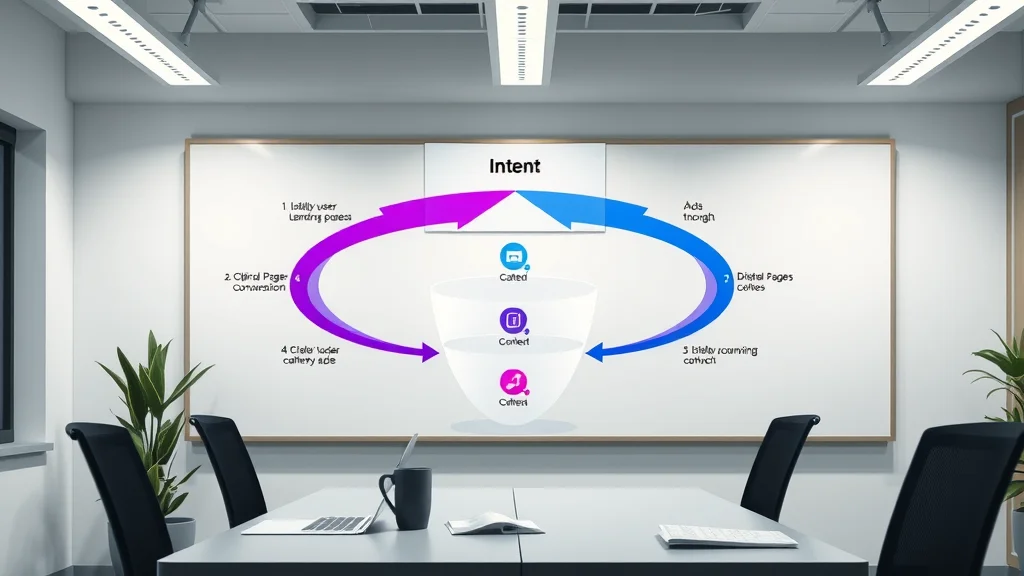
The journey from click to conversion—whether via a Google Ads campaign, a targeted Facebook ad, or a high-value landing page—travels through a multi-stage conversion funnel. This funnel typically starts at the awareness stage, where users first encounter an ad or piece of content. The interest stage follows, where visitors engage with your messaging or explore a landing page. Next comes consideration, where optimized user experience, relevant offers, and trust signals nurture the user toward making a decision. Finally, the action stage encompasses the conversion event: making a purchase, trial signup, or form submission.
Understanding and mapping these key stages enables marketers to tailor their messaging, offers, and user flows at every step. Each point in the funnel presents opportunities for improvement: more targeted ads, more persuasive landing pages, and better form experiences. Tracking funnel performance with analytics is crucial, as it helps identify bottlenecks and provide actionable insights for ongoing rate optimization.
Understanding Conversion Events & the Role of Marketing Conversion
A conversion event is any specific action that drives value for your business—whether it's a product purchase, a qualified lead for B2B, a newsletter signup, or a trial signup. These events exist at various stages of the customer journey and can be both primary (macro) and secondary (micro) in nature. In effective marketing conversion campaigns, measuring and optimizing for these events is paramount. Each marketing effort should be designed to guide users toward meaningful conversion events tailored to your business objectives.
Leveraging analytics tools allows marketers to set up, track, and optimize conversion events across multiple ad platforms and digital channels. By understanding what moves the needle—whether it’s a strategic offer, a streamlined form, or a trust-building element—brands can create a more effective journey from initial click to completed conversion, maximizing the efficiency of their entire marketing strategy.
The Critical Role of Landing Page and Landing Pages in the Funnel
Landing pages are the keystone of the conversion funnel. Unlike generic product pages, a well-designed landing page focuses solely on driving one specific action—removing distractions and highlighting the value proposition. It bridges the gap between ad platform clicks and conversion events by delivering highly relevant, personalized content tailored to each user segment.
Landing pages also provide a prime environment for A/B testing and rate optimization. Marketers can experiment with headlines, images, CTAs, and layout variations to see which combinations yield the highest conversion rates. Ultimately, optimized landing pages remove friction from the sales process, improve user experience, and deliver clear, compelling reasons for the user to act—making them an essential component of any visibility system that truly works.
Conversion Rate Optimization: Tactics for Every Stage of the Journey
Optimizing for Conversion Rate: Tools, Techniques, and Metrics
Conversion rate optimization (CRO) is the ongoing process of using data, experimentation, and technology to increase the percentage of users who complete a desired action. At the awareness and interest stages, use analytics and behavioral tracking to identify what attracts initial clicks. In the consideration phase, deploy A/B testing and dynamic personalization to refine landing page elements and content. At the action stage, simplify forms and improve trust signals to reduce anxiety and friction, driving higher conversion rates.
Effective CRO also involves the careful selection of metrics: monitor conversion rate, form submissions, customer lifetime value, and bounce rate. Tools like Google Analytics, heatmaps, and A/B testing platforms enable deep insight into what drives user decisions. When businesses regularly iterate based on real-world data, they develop a culture of continuous improvement—helping each marketing effort deliver superior ROI.
| Funnel Stage | Optimization Tactics | Recommended Tools |
|---|---|---|
| Awareness | Targeted ad campaigns, clear messaging | Google Ads, Facebook Ads Manager |
| Interest | Compelling landing page, engaging visual elements | Unbounce, Instapage, Hotjar |
| Consideration | Personalization, exit-intent offers, remarketing | Optimizely, HubSpot, Segment |
| Action | Streamlined forms, trust signals, live chat | Typeform, Intercom, TrustPulse |
- Always use clear calls-to-action tailored to each stage
- Test your landing page elements frequently
- Leverage behavioral analytics for deeper customer insights
- Automate follow-ups based on user actions
- Continuously review and adjust your marketing strategy for optimal results
Conversion Rate Optimization Case Studies
Real-world case studies demonstrate the power of CRO. For instance, a SaaS company increased its trial signup rate by 40% after simplifying its landing page form and adding trust badges. Another e-commerce brand saw a 60% increase in product page conversions by implementing dynamic recommendations based on user behavior. Across industries, businesses that combine data-driven insights with thoughtful rate optimization see exponential improvements in their conversion rates. One key takeaway is that “effective rate optimization is as much about psychology as it is about technology. ” Success requires a deep understanding of what motivates your audience and the agility to adapt quickly to their needs.
Moreover, leading brands often create a culture of experimentation. They constantly refine their funnels, test new marketing strategy approaches, and harness advanced analytics to anticipate shifts in customer intent. Even minor changes—like rewriting a headline, updating images, or changing CTA button colors—can lead to meaningful results, especially when supported by robust A/B testing strategies. As a result, businesses that prioritize CRO are more likely to outperform competitors and reach their full market potential.
Designing High-Impact Landing Pages for From Click to Conversion: Building a Visibility System That Works

Principles of Landing Page and Digital Marketing User Experience
The user experience (UX) of your landing page can make or break the success of your conversion marketing. To maximize conversion rate, landing pages should be designed around the needs, preferences, and behaviors of your target audience. This means clear navigation, fast load times, and mobile responsiveness are non-negotiable. The page’s visual hierarchy should guide users naturally toward the CTA, while the content reinforces the unique benefits of your offer.
In digital marketing, first impressions are everything. Use benefit-driven headlines, engaging imagery, and concise copy to communicate value quickly. Forms should collect only necessary information, and features like live chat or instant support can address concerns in real-time. Finally, consider accessibility and inclusivity, ensuring your landing page provides a smooth, enjoyable experience for all users, regardless of device or ability. When you design with UX at the core, your marketing efforts are more likely to yield qualified leads and superior conversion events.
- Checklist: Essential Features of High-Converting Landing Pages
- Clear, benefit-focused headline
- Fast page load time and mobile optimization
- Compelling, relevant imagery and testimonials
- Single, prominent call-to-action (CTA)
- Minimal form fields for easier conversion events
- Trust indicators (badges, security seals, guarantees)
- Succinct, persuasive copy using user-centric language
- Logical layout with intuitive navigation
A/B Testing for Conversion Rate on Landing Pages

A/B testing is a powerful tool for optimizing conversion rates on landing pages. By comparing two versions of a landing page—each with a different design, headline, or CTA—marketers can determine which approach drives more conversions. Success depends on focusing on one variable at a time, allowing you to isolate the impact of changes on user behavior and overall conversion event completion.
Regular A/B testing helps marketers adapt to shifting customer preferences and keeps the landing page experience fresh and relevant. It’s essential to test everything from color schemes and font choices to images and offers. Additionally, leverage built-in analytics to track metrics like bounce rate, time on page, and form submission rates, using the results to guide ongoing optimization efforts. Ultimately, A/B testing bridges the gap between guesswork and effective, data-driven marketing strategies.
Ad Platform Integration: Driving Qualified Traffic to Your Visibility System
Choosing the Right Ad Platform for Conversion Marketing Goals
Selecting the right ad platform is crucial for maximizing conversion marketing results. Whether using Google Ads for search intent targeting, Facebook and Instagram for visual storytelling, or LinkedIn for B2B lead generation, each platform offers unique strengths for reaching qualified leads at different stages of the customer journey. Your choice should align with your target audience, marketing strategy, budget, and the specific conversion events you value most.
Compare ad platforms based on targeting capabilities, cost-per-click, creative formats, and integration with landing page and analytics tools. The priority is to find ad platforms that not only drive traffic but also deliver users primed for conversion—those most likely to take the desired action, be it a form submission, product purchase, or trial signup. By monitoring campaign performance and adapting your strategy, you can ensure your ad spend is always translating into meaningful outcomes.
| Ad Platform | Strengths | Best For |
|---|---|---|
| Google Ads | High-intent search traffic, robust analytics, remarketing | E-commerce, lead generation, service businesses |
| Facebook/Instagram Ads | Precise audience targeting, engaging creative types | Consumer products, event promotions, brand awareness |
| LinkedIn Ads | B2B targeting, professional lead gen features | SaaS, consulting, business services |
| Twitter Ads | Timely engagement, trend hijacking, simple setup | News, events, opinion-driven campaigns |

Maximizing Ad Spend for Higher Conversion Rate
Maximizing ad spend is an art and a science. Start by clearly defining your goals (e. g. , a minimum conversion rate or cost-per-acquisition), then build campaigns around highly targeted audiences most likely to convert. High-converting ad strategies often use dynamic creative, retargeting segments, and tailored landing pages for each user group. Continually monitor campaign analytics (impressions, clicks, conversion events, and ROAS) to identify underperforming segments and unlock new opportunities for improvement.
Further, integrate your ad platforms with analytics and CRM tools to accurately track every user from initial click to final conversion event. Doing so provides a closed loop of data, allowing you to refine ad creative, update landing page content, and allocate budget to channels delivering the highest ROI. With every marketing effort monitored and measured, you can make smarter investments and steadily improve your overall conversion marketing results.
Analytics, Tracking, and Continuous Improvement in From Click to Conversion: Building a Visibility System That Works

Key Metrics: Measuring Conversion Rate, Conversion Events, and Rate Optimization
A successful visibility system is data-driven at its core. Key metrics enable marketers to diagnose strengths and weaknesses in every part of the user journey. Core measurements include click-through rate (CTR) from each ad platform, landing page conversion rate, total form submissions, and cost per conversion event. Advanced metrics, such as customer acquisition cost, customer lifetime value, and segment-based conversion rates, reveal deeper insights—helping tailor marketing strategies for maximum efficiency.
By benchmarking these metrics across different campaigns and audience groups, digital marketing leaders can set realistic targets, troubleshoot performance drops, and identify winning strategies. Effective rate optimization relies on continuous feedback loops—every data point tells a story that should influence future landing page designs, ad budget allocations, and overall marketing strategy.
Analytics Tools for Monitoring From Click to Conversion Performance
The right analytics tools are essential for tracking and refining the from click to conversion: building a visibility system that works process. Core platforms such as Google Analytics, Adobe Analytics, and Facebook Pixel provide multi-channel visibility, enabling you to visualize key points of user interaction and optimize each stage. Additional tools like Hotjar and Crazy Egg offer heatmaps and behavioral insights, while CRM solutions like HubSpot and Salesforce integrate lead generation and sales process data for a unified view of marketing conversion.
Regular analysis allows for rapid adjustments—whether it’s reallocating ad spend, tweaking landing page design, or refining messaging. The ongoing use of analytics ensures that marketing efforts are never left to chance, but are instead part of a calculated, iterative process of improvement.
- Top Analytics Tools for Digital Marketing Leaders
- Google Analytics (comprehensive web and conversion tracking)
- Hotjar (heatmaps and session recordings)
- Mixpanel (user flow and retention analysis)
- HubSpot Analytics (lead, sales process, and conversion tracking)
- Crazy Egg (landing page and form submission analytics)
- Facebook Pixel (multi-channel ad and conversion event tracking)
Advanced Marketing Strategies for From Click to Conversion: Building a Visibility System That Works
Omni-Channel Campaigns: Synchronizing Ad Platforms, Landing Pages & Conversion Marketing

Today’s most effective conversion marketing strategies employ an omni-channel approach—coordinating consistent messaging, creative, and experience across all touchpoints, including multiple ad platforms, landing pages, email sequences, and retargeting ads. This allows users to move fluidly from awareness to purchase, building trust and familiarity at each interaction.
Omni-channel synchronization is a catalyst for exponentially improved conversion rates. By aligning data and creative assets, brands can ensure that each marketing effort reinforces the next. Whether a user clicks an ad on Facebook, lands on a tailored product page, or receives a follow-up email, personalization and relevance remain high throughout the journey. This comprehensive system strengthens the visibility of your brand—and makes every click a powerful step toward conversion.
Personalization for Increased Conversion Rate and User Experience
Personalization is a proven force multiplier in digital marketing. By tailoring landing page content, offers, and CTAs to each visitor’s preferences, behavior, or demographic, marketers can dramatically raise conversion rates and customer satisfaction. Techniques include dynamic content insertion, personalized email sequences, and AI-driven product recommendations—all grounded in strategic analytics and user tracking.
The result is a user experience that feels curated and relevant—boosting engagement, trust, and ultimately, conversion events. To quote industry wisdom: “Digital marketing is most powerful when it puts the user journey at the center—every click should lead closer to conversion. ” The brands that prioritize personalization are those most poised to dominate the next wave of digital marketing innovation.
Frequently Asked Questions About From Click to Conversion: Building a Visibility System That Works
What are the 4 conversion strategies?
Answer: A breakdown of the four primary conversion strategies and how they interact within a robust visibility system.
The four conversion strategies are: Direct Response (immediate action like purchase or signup), Lead Generation (collecting user info for follow-up), Engagement Conversion (prompting smaller actions, such as content downloads or video views), and Retargeting (re-engaging users who have interacted but not yet converted). A visibility system uses all four: direct response for immediate sales, lead gen for nurturing prospects, micro-conversions for building engagement, and retargeting for maximizing long-term ROI.
What is click to conversion?
Answer: Explanation of the meaning and significance of click to conversion in building a responsive visibility system.
Click to conversion refers to the complete process of turning a user’s initial click—on an ad, link, or search result—into a completed conversion event such as a purchase, form submission, or signup. It is the core metric for visibility systems, revealing how effective your marketing efforts and strategies are at guiding users from first contact to final outcome. Reducing the gap between initial clicks and actual conversions is central to successful digital marketing.
What are the three types of conversion?
Answer: Overview of informational, transactional, and macro/micro conversions with examples from digital marketing.
The three types of conversion are: Informational (sharing valuable content or downloading resources), Transactional (completing a purchase or signup), and Macro/Micro Conversions (major actions like buying a product versus minor actions like clicking a CTA or subscribing to a newsletter). Each plays a role within the customer journey, helping marketers design funnels that move users toward increasingly valuable actions.
What's the difference between clicks and conversions?
Answer: Clarification of terms with practical examples illustrating the path from initial click to final conversion event.
Clicks occur when a user interacts with an ad or link, signaling interest. Conversions happen when that click leads to a meaningful action—such as a form submission, download, or purchase. For example, a user might click a Google ad (click) but only become a conversion if they complete a trial signup or buy a product (conversion event). Optimizing the path from click to conversion is crucial for ROI-driven marketing strategies.
From Click to Conversion: Expert Tips, Key Takeaways, and Next Steps
- Prioritize seamless user experience across every landing page and funnel stage
- Use analytics tools to track, test, and optimize every marketing effort
- Integrate ad platforms and CRM systems for end-to-end performance tracking
- Employ continuous A/B testing and data-driven rate optimization
- Leverage personalization to improve conversion rates and user engagement
- Commit to regular analysis and adaptation for ongoing improvement
Summary: Why Your Approach to From Click to Conversion Must Evolve in Today's Digital Landscape
Recap of Core Principles in Building a Visibility System That Works
Success in digital marketing today requires more than just traffic—it demands a holistic visibility system that synchronizes ad platforms, landing pages, analytics, and optimization processes. These principles ensure every click leads somewhere valuable, and every marketing effort is aligned for measurable, sustained conversion growth.

Looking Ahead: Continuous Improvement in Conversion Marketing
Brands that embrace analytics, continuous testing, and omni-channel integration will always be one step ahead, adapting quickly and maximizing every conversion opportunity in a rapidly evolving digital world.
If you’re ready to take your digital marketing to the next level, consider how a comprehensive approach to visibility can transform not just your conversion rates, but your entire business growth trajectory. By exploring advanced strategies and integrating the latest tools, you can create a system that adapts to changing trends and consistently delivers results. For a deeper dive into holistic marketing solutions and how they can elevate your brand’s presence, discover the broader impact of strategic social media marketing. Unlock new opportunities and position your business for long-term digital success.




Write A Comment