Add Row
Add Element

Digital Dominance Journal


Steve Ferguson Search Engine Marketing

Add Element
  • Home
  • Categories
    • Content Marketing
    • Social Media
    • Reputation Marketing
    • Web Design
    • Blogging
    • Digital Marketing
    • Retargeting
    • News Sites
    • Review Management
    • Video Advertising
    • AI For Business
  • All Posts
  • Content Marketing
  • Social Media
  • Reputation Marketing
  • Web Design
  • Blogging
  • SEO
  • Digital Marketing
  • Retargeting
  • News Sites
  • Review Management
  • Video Advertising
  • AI For Business
March 10.2026
1 Minute Read

How AI Can Help You Respond to Reviews Faster (and Win More Customers)

Did you know that 53% of customers expect a business to respond to their online reviews within a day—and that businesses who reply quickly are 1. 7 times more likely to convert potential customers? In today's digital landscape, speed and authenticity in review responses aren't just customer service niceties—they're crucial to customer loyalty, your online reputation, and your bottom line. As businesses receive ever more feedback across platforms like Google, Yelp, and social media, manual response strategies just can't keep up. Enter AI-powered review response systems: ready to change the game, boost your operational efficiency, and help you win more customers by responding to reviews faster than ever.

A Surprising Shift: Review Response Times and Customer Loyalty

Modern business owner typing AI-powered responses to online reviews on a laptop in a bright, plant-filled office, showing review response speed and customer engagement.

Customers today have high expectations for real time engagement, especially when it comes to review response. According to recent studies, businesses with fast review response times enjoy higher average ratings and see improved customer loyalty. This shift is underpinned by a simple truth: when a customer leaves feedback—positive or negative—they’re seeking acknowledgment. If your team can’t keep up, potential customers may turn elsewhere, and negative sentiments can spread quickly through social media and other channels.

AI-powered review systems offer the operational efficiency and scale that today’s business requires. Unlike manual methods that strain your team members and create delays, AI review solutions handle the heavy lifting: they sort, understand, and help generate responses almost instantly. By leveraging ai mode, you not only enhance customer engagement but also signal to both current and potential customers that you value their voices. The result? Speed translates to trust, creating a powerful competitive advantage in crowded markets where consumer trust is hard-earned and easily lost.

The Power of Speed: Why Quick Review Responses Matter

Speed isn't just a convenience—it's a clear driver of customer satisfaction. Studies show that 80% of customers who receive a quick response to their review feel more positive about a business, and are more likely to recommend it. Review responses impact everything from your brand’s public image to your search rankings on Google Reviews and other platforms. The more efficiently you acknowledge both positive and negative feedback, the more you foster a sense of value and involvement with your audience. Being seen as responsive directly influences how likely potential customers are to do business with you, making quick review response a must-have, not a nice-to-have.

For businesses looking to further streamline their digital presence, integrating AI review automation with a robust social media marketing strategy can amplify your brand’s reach and engagement. Discover how combining these approaches can elevate your online reputation in our guide to effective social media marketing for local businesses.

What You'll Learn About How AI Can Help You Respond to Reviews Faster (and Win More Customers)

  • Understand AI review automation fundamentals
  • Discover how AI-driven review responses can transform customer engagement
  • Learn operational efficiency strategies for handling online reviews
  • Explore actionable insights and sentiment analysis powered by generative AI

Introduction to AI Review Technology

AI Review Systems: Definitions and Capabilities

AI dashboard interface displaying analytics and review trends, business user analyzing customer feedback data for online reviews and operational efficiency.

AI review systems leverage artificial intelligence—including machine learning and natural language processing—to automate and enhance the process of reviewing and responding to customer feedback. These platforms go beyond basic keyword detection. They use advanced algorithms to analyze sentiment, detect patterns, and prioritize which reviews may need urgent attention, whether on Google Reviews, social media, or niche platforms. With pre-built or customizable templates, AI can generate high-quality, coherent responses at scale, making it feasible for brands to respond personally and promptly to every review, every time.

Key capabilities of modern AI review tools include the ability to: Auto-generate personalized responses aligned to specific customer experiences Offer real time monitoring of new reviews across multiple platforms Provide sentiment analysis and highlight actionable insights for business improvements Integrate seamlessly with email, SMS, social media, and Google review channels Support multiple languages with precise language processing Ultimately, these features allow businesses to shift from a reactive to a proactive review response strategy, closing the feedback loop faster, and capturing the attention of potential customers.

The Role of AI in Customer Feedback Management

Today’s high-level customer feedback management is about transforming raw data into valuable insight. AI review systems do this by listening at scale: capturing thousands of reviews from online reviews sites like Google, Facebook, Yelp, and industry forums. Using natural language processing, these systems classify feedback by tone, urgency, and customer sentiment—providing business leaders and team members with dashboards that spotlight both immediate issues and longer-term trends.

AI also allows for easy escalation of sensitive feedback, so negative reviews don’t go unnoticed and positive reviews are leveraged in your marketing. In short, artificial intelligence makes review management less about manual labor and more about informed, strategic action—improving not just response times, but the overall customer experience and business results.

Comparison Table: Manual vs. AI-Powered Review Response Systems
Feature Manual Response AI-Powered Response
Response Time Several hours to days Seconds to minutes
Consistency Varies by team member High—uniform tone, ensures every review gets a response
Scalability Limited by staff availability Unlimited—handles spikes seamlessly
Sentiment Analysis Manual/subjective Automated, data-driven
Cost-Efficiency Labor-intensive = high cost Reduces human workload = lower cost
Integration with Platforms Manual copy-paste Automated posting across Google Reviews, social media, etc.

How AI Can Help You Respond to Reviews Faster (and Win More Customers): Key Benefits

Operational Efficiency: Maximizing Productivity with AI Mode

Business team collaborating efficiently using AI-powered review response tools and analytics in a modern office, demonstrating operational efficiency and positive teamwork.

The addition of ai mode to your review response process delivers unmatched operational efficiency. AI handles the heavy lifting of reviewing, categorizing, and drafting replies—freeing your staff from repetitive, time-consuming tasks. This means your human agents can focus on high value interactions or unique cases that demand a personal touch, while AI drafts authentic, on-brand replies for standard or high-volume feedback. Businesses using AI review solutions often report a 30–50% reduction in review response time and a similar uptick in team productivity.

This shift not only reduces the workload for each team member but also ensures that no feedback slips through the cracks. AI mode helps organizations scale review management as their businesses grow, and eliminates the bottleneck of relying solely on manual monitoring and responses. Ultimately, businesses can reallocate time and resources toward strategic actions that enhance both customer experience and profitability.

Consistent Review Responses: Addressing Both Positive and Negative Feedback

Maintaining consistency in review responses is a challenge when you're managing reviews across multiple sites and customer touchpoints. AI review systems enforce consistency by using templated language and tone guidelines, which prevents any off-brand or inappropriate messages. Whether it's a glowing positive review or a challenging negative review, AI ensures each response fits your brand’s voice—demonstrating professionalism across the board.

This uniform approach reduces the risk of human error and aligns your brand messaging, which is critical in maintaining trust with both customers and platforms like Google Reviews. Over time, these consistent responses help build a strong public reputation, reinforcing your customer-centric image and encouraging more engagement and feedback.

24/7 Engagement: Never Miss a Customer Review

AI-powered systems offer continuous vigilance: responding to new customer reviews even outside normal business hours. This around-the-clock engagement means you never miss an opportunity to connect, resolve an issue, or thank a customer for their business. With real time notifications and automated publishing, AI closes the gap between receiving and responding.

24/7 review management also supports global businesses or franchises that receive feedback from multiple time zones. By being always “on,” AI enhances your brand’s responsiveness, giving customers the assurance that their voices matter at any hour. In today's competitive markets, this capability is crucial for customer engagement and long-term loyalty.

"Automated AI review responses empower businesses to nurture customer loyalty and boost engagement."

Generative AI: Crafting Personalized Review Responses

How Generative AI Understands Customer Sentiment and Tone

AI avatar evaluating customer review sentiments with glowing data streams and network nodes, illustrating generative AI

Generative AI takes review automation a step further. Instead of spitting out generic replies, it uses machine learning and deep natural language processing to interpret both the emotional tone and content of each review. By analyzing thousands of previous responses and industry best practices, generative AI can draft highly personalized messages that feel thoughtful—even when sent in real time or at scale.

These systems discern whether the review is positive, neutral, or negative; they understand nuances in language, cultural contexts, and even irony or sarcasm. That means every response is appropriately empathetic, grateful, or solution-oriented, reflecting a comprehensive understanding of the customer experience. The result: better relationships, improved public perception, and more actionable insights that fuel ongoing business improvement.

Tailoring Review Responses to Diverse Customer Experiences

No two reviews are the same, just as no two customers are identical. Generative AI enables you to tailor review responses in a way that recognizes individual concerns and celebrates unique experiences. For example, a customer mentioning a specific product or staff member will receive a reply acknowledging those details, while a dissatisfied customer gets a proactive offer to resolve an issue.

This tailored approach feels authentic to customers and enhances their journey with your brand. The AI model learns from previous interactions, customer feedback trends, and industry language—ensuring that each response respects both the reviewer’s context and your brand’s standards. Over time, this approach significantly boosts customer satisfaction, retention, and even garners more positive reviews.

Sentiment Analysis and Actionable Insights from AI Review Systems

Using Sentiment Analysis to Enhance Customer Experience
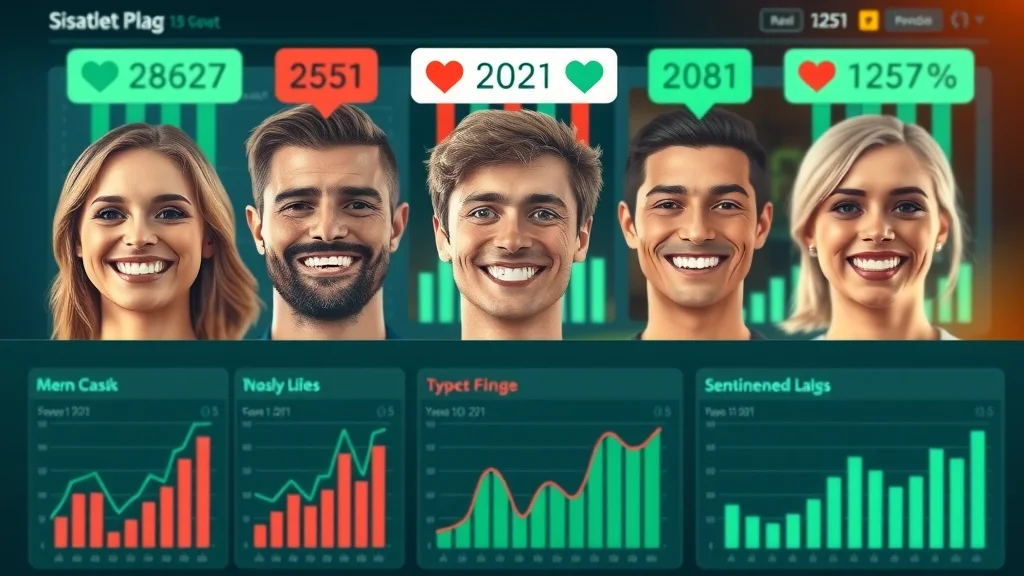
Infographic of customer sentiment analysis in AI review systems, highlighting positive and negative review icons, with a digital dashboard displaying actionable insights for enhanced customer experience.

Sentiment analysis is the backbone of truly impactful AI review systems. By leveraging language processing and AI-driven analytics, these tools extract the underlying emotion—joy, frustration, confusion—from each review and categorize feedback accordingly. This provides business owners and managers with a high-level overview of trends: Is customer satisfaction rising or falling? Are customers mentioning speed, cleanliness, friendliness, or product quality most often?

These insights allow leadership to act swiftly and prioritize improvements with the greatest influence on the customer journey. Frontline teams can instantly identify critical issues and respond before they escalate, while marketing teams can unearth new testimonials for advertising or social proof. In sum, sentiment analysis makes every review a source of actionable insight that directly impacts customer engagement and business growth.

Translating Actionable Insights into Business Improvements

The value of AI-driven actionable insights isn’t just in the information itself—it’s how you use it. Modern AI review systems can suggest operational changes, alert you to systemic problems, and even recommend new workflows to address recurring customer pain points. These recommendations can be as granular as adjusting staffing levels during peak hours or as broad as rolling out a new product feature based on trending feedback.

By creating a direct link between feedback and decision-making, AI ensures that the voice of the customer drives business evolution. This continuous improvement unleashes a virtuous cycle: smarter actions lead to better reviews, which in turn generate richer customer data—fueling even smarter decisions in the future.

Workflow Automation With AI Mode for Online Reviews

Integrations With Google Reviews, Social Media, and More

Business manager overseeing AI integration of Google Reviews and social media platforms with a digital workflow diagram, highlighting automation in online review management.

Today’s businesses need review management tools that work seamlessly with all major platforms. The best AI review solutions integrate directly with Google Reviews, Facebook, Yelp, and a wide array of social media and industry-specific sites. These integrations allow for real time monitoring, swift publishing of review responses, and centralized analytics for simplified oversight.

This connectivity means you can manage all your customer reviews from a single dashboard, track trends across platforms, and ensure that your messaging is both appropriate and consistent. By streamlining workflow and removing manual steps, your team members gain time to focus on complex tasks while AI takes care of distributing on-brand, timely responses everywhere your audience is talking about you.

Customizing AI Review Response Settings for Every Business

  • Set response templates for recurring customer feedback
  • Use AI to highlight and escalate priority reviews
  • Schedule responses at optimal customer engagement times

AI review tools are not one-size-fits-all. The most powerful systems let you tailor response settings to match your brand voice, priorities, and operational workflows. For instance, you can set up dynamic templates that address common feedback themes, such as shipping delays or product compliments. Priority reviews—like a sudden spike of negative reviews after a product launch—can be flagged for immediate escalation and custom handling. Finally, responses can be scheduled for the days and times when your customers are most likely to see and engage with them, maximizing impact and customer engagement across every stage of the customer journey.

Enhancing the Customer Journey Through AI Review Response

Automated Feedback Loops and Improving Customer Satisfaction

Happy customers in a café joyfully reacting to quick, automated AI responses to their online reviews, showing increased customer satisfaction and loyalty in the customer journey.

When it comes to customer loyalty, nothing beats the feeling of being heard and valued. AI-powered review management systems create automated feedback loops—where customer feedback is captured, analyzed, responded to, and then leveraged for further improvements. This ongoing process translates into tangible gains in customer satisfaction: customers see their concerns addressed swiftly while also influencing positive change within your business.

Automated feedback loops also encourage more customers to leave reviews and participate in the conversation, as they learn their voices will prompt real responses and action. Over time, this continuous engagement builds an ecosystem where satisfaction breeds advocacy, turning happy customers into repeat buyers and public brand champions.

Real-Life Impact: Case Studies Demonstrating Faster Review Responses

Many real businesses have seen measurable returns from deploying AI-powered review systems. For instance, a multi-location restaurant group implemented AI mode for online reviews and saw a 40% reduction in negative reviews within three months. Their average Google rating increased by half a star, and customer engagement via review platforms doubled. In another example, a retail chain automated response templates for product feedback and experienced a 50% increase in positive reviews, attributing this to more personalized, relevant review responses.

The bottom line: embracing AI review technology delivers results not only in customer perception but in hard business metrics—higher ratings, more foot traffic, and stronger online presence that together build sustainable growth.

Addressing Negative Reviews and Building Trust with AI Review Systems

How AI Handles Sensitive or Negative Feedback

One of the most challenging parts of review management is responding to negative reviews. AI review systems use advanced sentiment analysis to detect urgent feedback and deploy sensitive, solution-focused messaging. These systems are trained to prioritize empathy without sounding robotic, offering thoughtful apologies, actionable solutions, and escalation pathways if needed.

For example, if a restaurant gets a complaint about service speed, the AI might recommend a personal apology and a coupon for a future visit—while also flagging the issue for the manager. This level of support ensures that every negative review becomes an opportunity for recovery rather than a reputational risk, rebuilding trust with the affected customer and reassuring future customers of your commitment to excellence.

Restoring Customer Trust After a Negative Experience

Empathetic customer service agent responding gracefully to a negative online review using AI-generated follow-up, setting a tone of trust and professionalism.

Restoring trust is about more than the words in a review response: it’s about closing the loop. AI platforms make it easy to follow up after the initial reply—ensuring that complaints are addressed, issues resolved, and dissatisfied customers are invited back. This proactive engagement, supported by AI, reassures customers that your business values their experience and is committed to making things right.

By instantly generating thoughtful, on-brand responses that include escalation options and follow-up protocols, AI turns every negative review into a chance for service recovery. Over time, this consistency sends a powerful message—your business listens, adapts, and genuinely cares.

Best Practices for Implementing AI Review Automation

Choosing the Right AI Review Platform

Not all AI review tools are created equal. When selecting an AI-powered platform, look for one that integrates with all your review channels—Google Reviews, social media, industry verticals—and offers robust sentiment analysis, customizable templates, and actionable analytics. Ease of integration, granular settings for customer experience optimization, and a proven track record in your industry are must-haves for maximizing value and adoption.

Conduct thorough demos and involve team members from marketing, customer service, and operations in the decision-making process. The right platform should simplify workflows and empower staff, not add complexity or manual workarounds to your review management process.

Training and Monitoring AI-Generated Review Responses

  • Regularly audit AI review outputs
  • Maintain human oversight for sensitive issues
  • Integrate AI insights into decision-making

While AI mode automates much of the review response process, retaining the human touch is essential—especially for sensitive, high-profile, or complex situations. Regularly review AI-generated responses to ensure accuracy, tone, and brand compliance. Provide ongoing training for your staff to work alongside AI, teaching them how to edit templates or flag edge cases. Finally, leverage AI-generated actionable insights in your weekly or monthly strategy sessions, so that customer feedback truly drives business change and customer engagement.

Common Pitfalls: What to Avoid When Using AI for Review Responses

Over-automation and Loss of Authenticity

One major risk of implementing AI in your review management process is over-automation—using generic, impersonal templates that lack authenticity and empathy. Customers quickly sense when a reply is automated and may perceive it as insincere or dismissive. To mitigate this, ensure that your AI system is programmed to personalize each message, reference specific details from the review, and vary language to avoid sounding repetitive. Continually tune your AI tool to better reflect your brand’s unique voice and values.

Supplement automation with human checks, particularly when addressing high-stakes or negative reviews. This balance preserves trust and ensures your review responses always feel genuine.

Neglecting Follow-Up on Actionable Insights

AI can surface powerful actionable insights—but these are only valuable if acted upon. Avoid the pitfall of treating review automation as a “check the box” task. Use the data, trends, and sentiment analysis provided by your AI tool to implement tangible service upgrades, resolve recurring issues, and communicate improvements back to your customers in real time. In doing so, you transform AI-powered review management from a back-office function to a key driver of business success and customer satisfaction.

The Future of AI Review Response: Trends and Innovations

Evolving Generative AI Technologies for Better Customer Experience

Looking ahead, the capabilities of generative AI are set to grow exponentially. We can expect smarter, more context-sensitive review responses, improved emotional intelligence in language processing, and integration with customer databases for hyper-personalization. As generative AI matures, it will be able to anticipate customer needs and recommend actions before issues even arise—taking review management from reactive to predictive and making the customer journey even more seamless.

This innovation means ongoing benefits for operational efficiency, as AI tools rapidly adapt to evolving platforms and new feedback channels—ensuring your business remains at the forefront of customer engagement and satisfaction.

AI Mode and Multichannel Review Management

The future of ai mode lies in multichannel mastery. Top-tier AI review tools are already moving from just responding to online reviews to proactively orchestrating customer engagement across email, SMS, and every social channel where customers might leave feedback. This expansion means a unified brand voice, greater insight into the full customer journey, and more efficient review management—no matter where your customers are talking about you.

Embracing these trends will give forward-thinking businesses a powerful edge: the ability to build lasting trust, outpace competitors in response times, and support ongoing business growth fueled by satisfied, loyal customers.

An explainer video demonstrates a real-world business using AI to respond rapidly and empathetically to customer reviews, with animated overlays and testimonials illustrating increased efficiency and customer satisfaction.

People Also Ask: How can AI help with performance reviews?

AI streamlines the performance review process by analyzing employee feedback, tracking performance data, and generating tailored, actionable reviews.

People Also Ask: What is the 30% rule in AI?

The '30% rule' in AI refers to aiming for at least a 30% improvement in efficiency or quality by leveraging AI-powered solutions over manual processes.

People Also Ask: How does AI generate responses so quickly?

AI uses natural language processing, generative AI, and vast pre-trained models to instantly analyze and generate coherent response content.

People Also Ask: How can AI be used to improve customer satisfaction?

AI can enhance customer satisfaction by promptly addressing feedback, offering personalized review responses, and providing insights that inform service improvements.

FAQs: How AI Can Help You Respond to Reviews Faster (and Win More Customers)

How secure are AI-powered review response platforms?

Most modern platforms prioritize data security by using encryption, regular vulnerability audits, and compliance with industry standards. Always choose reputable vendors and review their data protection policies to keep your business and customer info safe.

Can AI review systems be customized for different industries?

Yes. Leading AI review tools offer customizable templates, tone adjustments, and training modules so you can adapt the system to industry-specific terminology and sensitive customer scenarios.

How do you balance human oversight with AI automation in online reviews?

The best approach is hybrid: let AI manage standard responses and real time alerts, but maintain human review for escalations, sensitive cases, and periodic audits to assure tone and accuracy are always on brand.

Key Takeaways: The Competitive Advantage of Responsive Review Management

  • AI review automation cuts response times dramatically and boosts customer satisfaction
  • Generative AI crafts authentic, personalized replies for positive and negative feedback
  • Integrated workflows and real time monitoring keep every review from slipping through
  • Data-driven insights translate into smarter business decisions and lasting loyalty

Watch industry leaders discuss practical results, improvements in online reviews, and the transformative impact of AI mode on customer service metrics.

Ready to Accelerate Your Customer Review Process with AI? Call Or Text Us At (508)344-5927 Or Email Us At steveferguson@stevefergusonsearchenginemarketing.com

Conclusion: AI review automation isn’t just about saving time—it’s about building trust, driving growth, and creating remarkable customer experiences on every channel. The sooner you start, the sooner you’ll see the change.

If you’re ready to take your customer engagement to the next level, consider how a holistic approach to digital marketing can further amplify the benefits of AI-powered review management. By weaving together review automation and strategic social media marketing, you can create a unified brand experience that attracts, delights, and retains customers across every touchpoint. Explore the broader impact of integrated digital strategies and discover new ways to grow your business by visiting our resource on social media marketing for local businesses. Unlock the full potential of your online presence and set your brand apart in today’s competitive landscape.


AI For Business

16 Views

0 Comments

Write A Comment

*
*
Please complete the captcha to submit your comment.
Related Posts All Posts
03.29.2026

The Future of Small Business Marketing Is AI-Assisted — Not AI-Replaced

Hook: Are marketers about to be replaced by robots, or will the rise of AI unlock the next golden era for small business marketing? Let’s find out why the future of small business marketing is AI-assisted — not AI-replaced, and why this distinction matters more than ever for small business owners striving to compete and thrive. What You'll Learn About the Future of Small Business Marketing and AI Understand the evolving role of generative AI in small business marketing Differentiate between AI-assisted and AI-replaced marketing strategies Discover how AI tools empower—not threaten—small businesses Explore real-life examples of successful AI adoption in marketing Gain insights into the future trends in AI adoption and generative AI Questioning the Status Quo: Is AI the End or Evolution of Small Business Marketing? "Will the dawn of generative AI make small business marketers obsolete—or will it make them unstoppable?" The AI Revolution: A Double-Edged Sword For Small Businesses Opportunities of generative AI Fears and misconceptions about AI tools replacing human marketers The recent surge in generative AI tools, from virtual assistants to content creation platforms, has sparked debate among small business owners and marketing leaders. On one side lies a world of possibilities: automating repetitive tasks, accessing predictive analytics, and reaching new levels of personalization. These tools can analyze massive data sets in real time, inform decisions, and help businesses stay ahead of market trends. However, fears remain—are these advances making small business marketers unnecessary? Will AI algorithms handle every aspect of social media, email campaigns, and customer engagement, leaving humans behind? The truth is more nuanced. AI in marketing offers small businesses new capabilities but cannot fully grasp the creativity, context, and personal connections that make a business unique. The greatest risk is not using AI but misunderstanding it. Early adopters are already blending AI with human insights to achieve a competitive edge, showing that AI technologies are here to assist, not replace, those ready to adapt. This double-edged sword cuts through both challenge and opportunity, pushing business owners to rethink what it means to market smarter—not harder. As small businesses navigate these changes, integrating AI into their marketing mix can be especially powerful when combined with proven digital strategies. For example, leveraging AI-driven insights alongside effective social media marketing techniques can help businesses reach their audience more efficiently and personalize engagement at scale. Small Business Marketing in the Age of AI: A New Partnership Why the Future of Small Business Marketing Is AI-Assisted — Not AI-Replaced Synergy between human creativity and AI-powered predictive analytics Role of generative AI in content creation, not content replacement Case studies of small businesses thriving through AI adoption The unique power of the future of small business marketing is AI-assisted — not AI-replaced emerges from partnership. Think of AI as a skillful ally—capable of fast data analysis, automating tasks like scheduling social media posts, and uncovering opportunities hidden in customer data. Yet, small business owners and their teams still deliver the creative spark and emotional connection AI simply cannot replicate. AI-powered predictive analytics, for instance, can identify which customer segments are more likely to engage, but only humans can craft content that builds genuine relationships and reflects a brand's true voice. Real-world case studies highlight the synergy: A boutique retailer uses AI tools for personalized campaign planning, freeing up staff to create in-store experiences that delight customers. A local service provider leverages marketing automation to stay engaged with clients, allowing the team to focus on thoughtful follow-ups. In every example, AI amplifies what humans do best—storytelling, empathy, and creative experimentation—showing that the boldest small businesses are thriving not despite AI adoption, but because of it. How Generative AI Is Transforming Content Creation—But Not Taking Over Human Touch: The Irreplaceable X-Factor in Small Business Marketing Limitations of generative AI for storytelling and unique brand voice AI as an enhancement, not a substitute for marketing creativity Workflow: integrating AI tools without sacrificing authenticity Generative AI can produce articles, social media posts, and marketing copy in real time, accelerating content creation workflows for small businesses. However, these outputs often miss the subtlety of a brand’s unique voice, the humor in a local campaign, or the empathy needed for customer experience. That’s why the best small businesses use AI tools to generate ideas and drafts but always apply the human touch—editing for authenticity, weaving in local insights, and ensuring every piece of content is tailored to their audience. Blending AI with creativity saves time while preserving brand integrity. For example, tools like AI-powered copywriting platforms can suggest social media captions or analyze which headlines may get more clicks, but teams must personalize final posts to fit their story. By setting clear workflows, small business marketing teams leverage AI as an enhancement, not a replacement, ensuring every campaign embodies their values and builds lasting relationships. AI Tools Empower Small Businesses: Staying Ahead, Not Getting Left Behind AI Adoption: Leveling The Small Business Playing Field Affordable AI tools for small businesses Access to predictive analytics for smarter marketing strategies The democratization of AI means even the smallest businesses can use advanced technologies once reserved for bigger players. From free social media schedulers to low-cost predictive analytics, the range of AI tools available to small business owners keeps expanding. These tools help automate tasks—like sending personalized emails or tracking social media engagement—giving owners more time to connect with customers or brainstorm new offerings. AI adoption also levels the playing field by offering deep insights into market trends and customer preferences, empowering informed decisions that were previously out of reach for those without a data analysis team. Small businesses gain smarter marketing strategies and a higher return on investment by integrating AI in ways that complement, rather than replace, their team's expertise. The future hinges on using these tools wisely—combining technology with human judgment to truly stay ahead. Stay Ahead: How Early Adopters Leverage AI in Marketing Real-world examples of AI adoption in small business marketing Early adopters of AI in marketing are already seeing rewards. Consider a local restaurant that uses AI to analyze customer feedback and create personalized promotions—leading to increased engagement and repeat customers. Or a craft shop owner who sets up a virtual assistant to handle bookings and answer routine questions while focusing on building community ties. In both instances, AI tools take on repetitive, time-consuming tasks, letting business owners devote more energy to brand storytelling and customer relationships. This approach is about leveraging technology to extend, not diminish, human talent. By incorporating AI, small businesses are able to make real time decisions, adjust quickly to changing conditions, and foster a culture where technology and creativity coexist. The most successful businesses are not those that fear change, but those that embrace it—using AI to amplify their message and differentiate themselves within a crowded marketplace. AI in Marketing: Separating the Hype from the Help What AI Can and Can’t Do for Small Businesses AI capabilities in automation, data analysis, and personalization Challenges: Data privacy, lack of nuance, algorithmic bias It’s important to recognize what AI in marketing can and cannot achieve for small businesses. AI excels at automating repetitive tasks—such as scheduling posts, personalizing customer outreach, and segmenting large data sets for deeper insights. It also powers data analysis, helping businesses understand things like peak shopping times, optimal content types, or audience preferences almost in real time. However, AI has limitations when it comes to reading emotional nuance, understanding evolving social contexts, or maintaining ethical guardrails without human oversight. Challenges for small business owners include safeguarding data privacy, avoiding unintended algorithmic bias, and ensuring a personalized experience without crossing lines of authenticity or trust. Successful marketing leaders view AI as a toolkit for reaching more customers and making faster, smarter decisions—while always keeping people, not just pixels, at the heart of their strategy. Staying informed and involved is essential for getting the most out of AI technologies while navigating potential pitfalls. Generative AI's Impact on Marketing ROI for Small Businesses Measuring ROI: before and after AI adoption Evaluating the real benefits for business owners Generative AI has a measurable—and often rapid—impact on marketing ROI for small business owners. Before AI adoption, business owners often struggle to track which strategies actually drive engagement and sales, relying on manual reports or gut feeling. With AI tools, they can monitor campaign performance, tweak messaging, and optimize content creation in real time, all with greater confidence. The real benefit? A more efficient, more effective marketing machine: imagine reducing time spent on routine reporting while boosting customer engagement and converting more leads. The most valuable outcomes of AI adoption include enhanced ROI, better resource allocation, and the freedom to focus on big-picture strategies rather than repetitive daily tasks. For business owners on the fence, these metrics offer compelling evidence that the future of small business marketing is not about replacement, but about smarter collaboration with technology. Small Business Owners Speak: Quotes on AI Adoption and the Future "AI frees up my time for relationships, not just reporting." – Independent retailer "Our business stands out more now because we're using AI to personalize every campaign." – Startup founder People Also Ask: Common Questions About AI-Assisted Marketing Will AI replace marketers in small businesses? AI will assist, not fully replace, marketers by automating repetitive tasks while humans focus on creative strategy and relationship building. While algorithms can handle repetitive marketing tasks, only people can nurture brand identity and empathetic customer engagement. How can small businesses integrate AI tools efficiently? Small businesses can start by identifying marketing pain points and gradually adopting AI tools that solve specific issues, ensuring staff is properly trained and supported. Smooth integration relies on clarity, purpose, and ongoing support for team members throughout the adoption process. What are the biggest benefits of AI for small business marketing? The main benefits include saving time, enhancing personalization, accessing predictive analytics, and improving ROI—without losing the brand’s voice. AI adoption enables small businesses to drive customer engagement and boost marketing automation, all while maintaining a personalized experience. Table: AI Tools for Small Business Marketing at a Glance Tool Name Purpose Cost to Small Business AI Feature Human Interaction Needed Mailchimp Email marketing automation, analytics Low–Medium (starter free tier) Personalized campaigns, predictive analytics Campaign design, creative direction Hootsuite Scheduling and managing social media posts Low–Medium (flexible plans) Content scheduling, performance analytics Content curation, engagement Jasper AI Content creation, copywriting assistance Medium (subscription-based) Generative text, SEO recommendations Editing, brand voice tailoring HubSpot CRM, marketing automation, segmentation Medium–High (varies by package) Lead scoring, automated workflows Strategy, customer communication Canva AI Graphic design with AI elements Low (free–premium) Template suggestions, design automation Visual style choices, custom branding Key Trends: AI-Assisted Small Business Marketing Strategies To Stay Ahead Automated customer segmentation with predictive analytics Personalized email and social media campaigns Faster, smarter content creation and curation Real-time data-driven decision making FAQs: The Future of Small Business Marketing Is AI-Assisted — Not AI-Replaced Is AI too expensive for small businesses? No. Many AI tools are now affordable and scalable for small businesses, offering free trials and flexible pricing models. You can start small and expand as your needs and confidence grow. Where should I start with AI adoption in marketing? Begin with easily integrated tools—such as email automation or chatbots—then scale up as your team and needs grow. Focus on addressing your most time-consuming marketing hurdles first. Key Takeaways: Why the Future of Small Business Marketing Is AI-Assisted — Not AI-Replaced Human creativity remains essential for brand differentiation Generative AI and AI tools augment, not eliminate, unique business value Effective AI adoption helps small businesses stay ahead in the competitive landscape Blending AI with human insight results in the strongest marketing approach Conclusion: Embracing an AI-Assisted Future for Small Business Marketing Embracing AI in marketing ensures small businesses merge technology with human connection. As AI continues to evolve, the partnership between marketer and machine will define success, not replacement. If you’re inspired to take your marketing to the next level, consider how AI can work hand-in-hand with your broader digital strategy. Exploring advanced approaches—such as integrating AI with your social media presence—can unlock new opportunities for growth and engagement. By staying curious and proactive, you’ll be better equipped to adapt to future trends and maximize your marketing ROI. For more ideas on building a robust online presence and leveraging the latest tools, discover how strategic social media marketing can complement your AI initiatives at Steve Ferguson Search Engine Marketing. The future belongs to those who blend innovation with authentic connection—start shaping yours today. Ready To Transform Your Small Business Marketing With AI? Call Or Text Us At (508)344-5927 Or Email Us At steveferguson@stevefergusonsearchenginemarketing. com

03.28.2026

The Fear of AI Is Costing Small Businesses More Than They Realize

Did you know that nearly 60% of small business owners hesitate to adopt AI, missing out on $30,000 or more in annual productivity gains? This little-discussed bottleneck doesn't just hurt the bottom line; it threatens the competitive future of businesses nationwide. As AI tools change the way companies operate, many owners hold back, unclear about the costs and consequences of avoiding automation. In this article, we'll dive into why the fear of AI is costing small businesses more than they realize—and provide clear, practical steps to move forward with confidence. What You'll Learn: Unpacking How the Fear of AI Is Costing Small Businesses More Than They Realize Surprising statistics about AI reluctance among business owners Tangible financial and operational impacts on small businesses Common fears driving AI avoidance The difference between myth and reality in AI adoption Actionable insights for business owners considering AI tools Opening Insights: A Startling Statistic Unveils the Hidden Cost of the Fear of AI for Small Business "Studies show 60% of small business owners hesitate to adopt AI tools, risking over $30,000 annually in lost productivity and opportunity." How Small Business Owner Mindsets Shape the Pace of AI Adoption The attitudes and beliefs of small business owners often set the tone for AI adoption within their companies. Many owners grew their businesses by relying on intuition, grit, and human judgment, so it’s no surprise that artificial intelligence feels unfamiliar or even threatening at first. When surveyed, a significant portion of business leaders admitted they worry that adopting AI might erode their team’s authenticity or create a loss of control. Yet, this hesitation also means missing out on substantial efficiency gains, better resource management, and higher profits. Owners who allow fear to dictate their technology strategy often see their competitors leap ahead, leveraging more precise targeted ads or predictive analytics to optimize marketing, inventory, and service delivery. In the rapidly evolving business landscape, a cautious mindset can quickly turn from prudent to problematic, leaving small businesses scrambling to catch up. Furthermore, small business owners’ personal perceptions of AI tools frequently shape their employees’ willingness to experiment. If leaders signal anxiety about automation, staff may hesitate to propose solutions or adopt generative AI products designed to make their work easier. Instead of viewing AI as a threat, pioneers among business owners see it as a force multiplier—one that empowers small teams to do more, not less. These leaders recognize that embracing AI does not diminish human judgment but rather unlocks new ways to serve customers and make smarter decisions. As more business owners openly discuss the learning curve and real-world benefits, the path to successful AI adoption becomes far clearer for their peers. It's important to note that AI isn't the only digital tool transforming small business operations. For example, integrating effective social media marketing strategies can also help owners reach new audiences and build stronger customer relationships, complementing the efficiency gains brought by AI adoption. Business Owners Facing Critical Junctures: To Trust or To Fear AI Tools? Many small business owners find themselves at a crossroads: continue with manual, time-consuming workflows or risk adopting technologies they don’t fully understand. The business owner who chooses to avoid AI solutions frequently cites lack of technical background, cost uncertainty, and negative stories from social media as top reasons to wait. But staying on the sidelines isn’t without consequence. Research suggests missed opportunities for customer engagement and service enhancements, especially for businesses that rely on quick response rates or tightly managed schedules. Owners who retard AI usage may also encounter increased stress among overworked staff, who are juggling rote tasks instead of focusing on strategy and customer service. Conversely, those who trust thoughtfully-chosen AI tools often see immediate benefits. They report reduced workload, happier teams, and more time for growth initiatives. But making that leap isn’t about buying the latest software—it’s about calculated, incremental advances and a willingness to pilot projects before scaling. For every business owner holding onto traditional methods, there’s another quietly experimenting—and reaping significant rewards. The choice to fear or trust AI often marks the dividing line between stagnation and innovation in small business success stories. The Fear Factor: Why Small Business Owners Remain Wary of AI While the advantages of adopting AI are increasingly evident, a persistent undercurrent of fear keeps many small businesses from taking the plunge. At its core, the fear of AI is costing small businesses more than they realize—both financially and in day-to-day operations. For some, artificial intelligence is still seen as a futuristic threat, rather than a practical set of tools available right now. This fear can stem from a range of sources: uncertainty about data privacy, misinformation about job loss, and the simple discomfort of changing established routines. The media amplifies worst-case scenarios, and word-of-mouth horror stories circulate quickly among tight-knit business communities, reinforcing the sense that AI is safer avoided. Yet, with every year that owners delay, the gap between possibility and performance widens, costing them another season of lost productivity and revenue. As stories of spectacular AI-driven failures get more attention than the quiet wins, the reluctance to embrace automation remains deeply entrenched. Most business owners lack insider knowledge or expert advice to discern real risks from imagined ones. This situation is worsened by a lack of technical resources or a clear roadmap for first-time AI adoption. For many owners, knowing how and where to start is half the battle—they need step-by-step guides and credible reassurance, not hype or technical jargon. Facing the reality that AI usage is already accessible—and affordable—could shift this costly mindset once and for all. Common Misconceptions About AI Adoption Among Small Businesses AI will replace jobs rather than enhance teams AI tools are too complex for everyday business owners Data privacy and security fears Even savvy small business leaders fall victim to these pervasive myths. The misconception that AI tools are reserved for big tech firms creates a needless psychological barrier. In reality, many solutions are specifically designed for the pressures and pace of small teams. Cloud-based platforms automate scheduling, handle customer data securely, and integrate smoothly with familiar apps. Still, confusion about data privacy remains a top concern. Owners often worry that adopting AI means surrendering confidential records or exposing themselves to cyber threats. Fortunately, robust encryption, clear permission settings, and well-established security protocols make modern AI tools far safer—and far easier to use—than most assume. Job replacement is another fear that clouds decision-making. The truth is, most AI usage in small businesses focuses on freeing employees from repetitive tasks—allowing them to prioritize meaningful customer interactions and strategic planning. When owners view AI as a workforce multiplier, not a replacement, the myth loses its influence. By seeking out industry-specific expert advice and peer-driven case studies, business owners can approach AI adoption with evidence and confidence, not anxiety. Contrasting AI Myths with Small Business Realities To fully understand the cost of hesitation, it’s vital to distinguish between unfounded fears and the practical realities of using AI tools in a small business environment. Too often, myths—like the idea that AI consulting is prohibitively expensive or that automated tools cannot be customized for unique workflows—hold owners back. But the reality is that cloud-based AI platforms have drastically reduced both cost and setup barriers, allowing businesses of all sizes to reap substantial efficiency gains almost immediately. AI has also democratized high-value capabilities like predictive analytics and targeted ads once exclusive to large enterprises. By simply automating invoicing, appointment reminders, or social media scheduling, owners reclaim time for customer service and strategic planning. Moreover, many solutions allow for incremental, low-risk adoption. Start with a single, automatable task—like an AI-powered email responder or a sales pipeline manager. The myth that AI is an “all or nothing” commitment fades as owners see the immediate, positive impact on employee bandwidth and customer satisfaction. Business owner testimonials consistently emphasize how small pilot projects can grow into robust, integrated systems. The key is separating hype from actionable insight, and being willing to experiment within clearly defined limits. Counting the Real Cost: How the Fear of AI Is Costing Small Businesses More Than They Realize Procrastination comes with a hefty—and hidden—price tag. Every month a business owner delays AI adoption is a month of wasted labor hours, lost revenue, and missed growth opportunities. Recent studies indicate that small enterprises forgoing automation routinely spend thousands on tasks AI could streamline in a fraction of the time. But the real danger extends beyond measurable expenses. Delays lead to customer dissatisfaction, employee burnout, and waning competitive edge, as more agile competitors seize digital opportunities. By comparing companies that have embraced automation to those that haven’t, we find undeniable proof: the actual cost of fear compounds over time, silently growing with each billing cycle and missed lead. These losses transcend immediate dollars. They affect customer service ratings, stretch resources thin, and erode morale for small teams. Owners ignoring the trend risk falling behind, struggling to maintain quality and efficiency, while digital-native competitors attract their clients with faster response times, accurate forecasting, and improved engagement. The message is clear: the fear of AI is costing small businesses more than they realize—and it’s time to break this costly pattern before irreversible damage is done. Comparing Productivity, Expenses, and Customer Service Outcomes: Small Businesses Using vs. Avoiding AI Category Embracing AI Tools Avoiding AI Tools Staff Productivity +30% efficiency gain, routine tasks automated Manual processes, frequent overtime, high workload Monthly Expenses Lower labor costs, more scalable workflows Higher payroll, costly manual errors, opportunity loss Customer Service Faster response times, personalized engagement Slow follow-up, inconsistent interactions Team Morale Reduced burnout, focus on creative tasks More stress, high turnover risk Revenue Growth Freed-up time accelerates innovation and upsells Stagnant revenue, missed new business Lost Revenue and Efficiency for Small Business Owners For many owners, the numbers are startling. Those who embrace AI adoption in even a limited capacity report double-digit improvements in staff productivity and measurable cuts in routine expenses. Automated scheduling, bill tracking, and prompt customer communication often mean the difference between squeezing in one more sale—or letting key opportunities slip by. Contrast this with business owners who stick to manual methods: they accept hefty payroll costs, human error, and staff turnover as the price of “doing things the old way. ” Ultimately, these choices result in unnecessary losses—sometimes exceeding $30,000 per year for a single location. It’s not just about saving nickels and dimes; it’s about unlocking new markets and elevating customer engagement. When administrative burdens are lifted, owners have more energy to pitch innovative services or respond instantly to client needs. Efficiency gain becomes a compounding advantage, not just a one-off event. The bottom line: those who delay or avoid AI solutions are quietly bleeding resources that could be invested in long-term growth. Owners Report: Impacts on Customer Service and Competitive Edge Feedback from real-life owners report a recurring theme: customer service suffers when businesses lag on automation. When inquiries go unanswered because staff is buried in paperwork, or appointments fall through due to scheduling overload, clients notice. In today’s digital world, customers expect instant replies and seamless service, and businesses that can’t deliver risk losing loyalty. Owners who actively leverage AI commonly note increased five-star reviews and repeat business, while those who resist find themselves fighting a losing battle to catch up. More importantly, embracing AI tools isn’t just about holding ground—it’s about outpacing competitors. With AI-powered chatbots, predictive order systems, and automated reminders, small businesses can project the professionalism and responsiveness of much larger firms. This shift not only boosts customer service rankings but opens doors to larger contracts and collaborations, which might otherwise be out of reach. The digital marketplace does not wait for stragglers; timely AI adoption is rapidly becoming the price of admission for sustainable growth. Hidden Costs: Employee Burnout and Opportunity Loss for Small Businesses Perhaps the most insidious cost of avoiding AI is invisible: the slow burn of overworked teams and missed chances for innovation. Employee burnout isn’t just an HR issue—it translates directly into financial drain. When teams spend hours on manual data entry or low-value admin, they lose the capacity to brainstorm, problem-solve, or proactively serve customers. This not only results in morale problems, but opens the door to costly turnover and knowledge loss. For small businesses with limited staff, this can be devastating. Further, the opportunity cost cannot be underestimated. Businesses that invest in generative AI or automated lead scoring often discover new market segments, products, or services. Those that hesitate risk watching rivals scoop up the same opportunities. Addressing these issues head-on starts with owners fostering a culture of innovation, encouraging curiosity, and supporting pilot projects—proving that calculated risk is often the most practical route to resilience and success. Business Owners in Their Own Words: Key Findings and Concerns "AI gave us back time for our customers, but it took confronting our fears to reap the reward." – Local small business owner Owners Report: First-Hand Experiences with AI Tools When decision-makers share their firsthand accounts, a more nuanced view emerges. Owners who once hesitated now speak candidly about their journeys from skepticism to success. For some, initial worries about cost or complexity faded once they saw how AI tools could be tailored to suit their existing processes. Others mention that staff anxieties quickly gave way to enthusiasm as employees used automation to skip tedious work and spend more time with customers. The most compelling key findings: measurable improvements in customer satisfaction, steady increases in sales efficiency, and a notable drop in burnout rates among the core team. A common thread in these owners' reports is that early adoption doesn’t have to be overwhelming. Starting small—perhaps with an automated appointment scheduler or a chatbot for first-level queries—lets teams build familiarity and confidence over time. Gradual implementation, supported by reputable vendors or AI consulting partners, replaces fear with curiosity and excitement, opening the door to broader change. How Small Business Owners Make Informed Decisions on AI Adoption With so much advice online, discerning what truly works can be challenging. Savvy small business leaders seek case studies from similar industries, consult with peers, and attend workshops focused on practical applications rather than hype. By surveying a range of solutions, scheduling demos, and evaluating vendors based on security and support, owners sidestep common pitfalls and gain clarity. Another key factor is involving frontline staff from the start, ensuring new tools truly address productivity drains and customer service needs. Expert advice from industry associations and regional tech hubs is invaluable. Collaboration with consultants who prioritize business needs—rather than pushing expensive upgrades—builds long-term trust and ensures that change happens on the owner's terms. Adopting an iterative, feedback-driven approach transforms AI from a source of anxiety into an engine of growth and innovation for small businesses. Practical Lists for Overcoming AI Adoption Fears in Small Businesses Identify simple AI tools designed for small business use Attend workshops and webinars for business owners on AI Consult peer case studies in your industry Start with AI solutions that boost customer service For every perceived obstacle, there’s a practical workaround—starting with the choice of tools. Business owners can explore platforms with proven track records and straightforward deployment, minimizing risk. Free or trial versions allow experimentation without financial commitment, while industry-specific peer groups offer a wealth of lessons learned. Workshops, online tutorials, and specialized webinars can demystify complex topics, connecting owners with actionable ideas and like-minded entrepreneurs. Most importantly, a focus on AI solutions that directly benefit customer service (like faster response times or smarter FAQs) delivers visible impact quickly—building momentum for later stages of adoption. Owners who take these small, manageable steps often discover their fears quickly give way to tangible results. Success Stories & Lessons: Small Businesses Thriving with AI From Fear to Growth: Stories from Progressive Business Owners Many business owners once paralyzed by the unknown are now vocal champions of AI innovation. One classic example: a local cafe manager who feared automated reservation systems would depersonalize service. Instead, AI-driven scheduling freed her staff to interact with guests, learning preferences and personalizing experiences—leading to a 20% boost in five-star reviews. Elsewhere, a boutique retailer worried that automating inventory management might overwhelm employees; in practice, staff saved hours each week, used real-time inventory insights to plan promotions, and saw revenue rise while stress plummeted. Another success came from a specialty contractor who, after watching competitors embrace generative AI for marketing, began leveraging AI to personalize email campaigns and generate targeted ads. The result? Immediate spikes in customer engagement and new inquiries from untapped markets. These stories offer vital proof: the real benefits of AI adoption come to those willing to experiment, learn, and scale thoughtfully. Results: Improved Customer Service and Productivity with AI Tools The numbers—and testimonials—are hard to ignore. Owners who’ve piloted AI tools in customer service or workflow automation consistently report measurable improvements: faster response times, fewer customer complaints, and higher sales conversion rates. Administrative teams that once struggled to keep up now use digital helpers for scheduling, billing, and follow-ups, freeing their time to focus on growth strategies. The ripple effect is profound: increased loyalty from existing customers, more referrals, and a positive team culture as burnout rates fall. One accountant summed it up, “Our workload is lighter; our reputation is stronger. ” Stories like these underscore that the fear of AI is costing small businesses more than they realize—while embracing it pays ongoing dividends. Essential FAQs: Navigating the Fear of AI as Small Business Owners How can small business owners start using AI with minimal risk? Begin with user-friendly tools, such as automated email responders or scheduling aids, and consult reputable support resources. Most platforms have detailed guides and live-chat help. Involve staff early to build comfort and seek small wins with clear metrics. What are the first steps for small businesses in AI adoption? Identify repetitive tasks that drain time, and choose an AI tool that automates one small workflow at a time. This reduces risk, increases buy-in, and allows for trouble-free scaling once benefits are clear. Is AI too expensive for small businesses with tight budgets? Many AI solutions are scalable, and some have free or low-cost entry plans to fit small business budgets. Calculate savings from labor or error reduction to justify cost—and remember that incremental adoption helps spread expenses over time. People Also Ask: Addressing Top Concerns on How the Fear of AI Is Costing Small Businesses More Than They Realize How Are Small Business Owners Being Impacted Financially by Avoiding AI? Avoiding AI can increase operating costs, reduce competitiveness, and create missed opportunities for revenue growth, holding small businesses back in efficiency and customer outreach. This financial drag accumulates month over month, making recovery even harder as competitors move forward. What Is AI Adoption in Small Businesses and Why Is It Critical? AI adoption refers to the integration of artificial intelligence tools and systems to automate processes, improve service, or drive insights—which is vital for small businesses looking to grow and compete. Those who wait risk ceding their position to more agile, tech-forward peers. Key Takeaways: Acting on the Realization That the Fear of AI Is Costing Small Businesses The fear of AI among small business owners leads to tangible financial and productivity losses Overcoming AI myths is crucial to thriving in the digital marketplace Success stories show that AI adoption can be both affordable and transformative Final Thoughts: Why Small Businesses Must Confront the Fear of AI to Prosper "Progress depends on courage, not comfort. For small business owners, overcoming fears around AI can unlock lasting success." If you’re ready to move beyond hesitation and unlock the full potential of your business, consider how digital strategies can work together for exponential growth. Embracing AI is just one piece of the puzzle—integrating it with robust online presence and reputation management can amplify your results even further. To discover how a holistic approach to digital marketing, including social media and review management, can elevate your brand and customer trust, explore the comprehensive solutions available at Steve Ferguson Search Engine Marketing. Take the next step toward future-proofing your business and see how advanced tools and expert guidance can help you thrive in a rapidly changing marketplace. Ready to Reimagine Your Business? Call Or Text Us At (508)344-5927 Or Email Us At steveferguson@stevefergusonsearchenginemarketing.com

03.27.2026

AI Marketing Systems: Why Automation Beats Guesswork

Did you know: Businesses using AI marketing systems have been shown to boost their ROI by more than 30%—demonstrating that automation isn’t just a convenience, but a game-changer in the world of digital marketing. In today's rapidly evolving digital marketing landscape, traditional guesswork is a risky strategy. Marketers who rely on intuition alone are being outperformed by competitors leveraging advanced AI marketing technology. This article breaks down the undeniable advantages of automated marketing, offering insights designed for those determined to stay ahead of the curve. By focusing on the real-world impact of AI marketing systems, we’ll reveal why automation beats guesswork—every single time. A New Era: How AI Marketing Systems Redefine Strategy We are witnessing a pivotal shift in marketing strategy—one that moves beyond instinct and laborious manual processes, toward fast, data-driven decision-making fueled by AI marketing systems: why automation beats guesswork. Smart brands now harness artificial intelligence to steer their campaigns with unprecedented precision. These AI systems can analyze mountains of customer data, process user behavior patterns in real time, and adapt content or offers instantly for greater engagement. With traditional digital marketing methods, teams often react too slowly to changing trends. But with automation and machine learning at the helm, strategies become dynamic—adapting on the fly to match both customer intent and market shifts. Beyond simply following best practices, AI marketing ensures that your brand leads the conversation, capturing opportunities that manual marketing methods would likely miss. Early adopters of AI tools are not only saving time but also amplifying their results, demonstrating that automation is the new cornerstone of an effective marketing operation in the digital age. Opening Insight: The Surprising Power of Automation in Marketing Automation is quietly rewriting the rules of digital marketing. While many businesses still rely on handcrafted emails or manual audience segmentation, their AI-powered competitors are racing ahead—processing data, running automated A/B tests, and reallocating marketing resources with precision. The surprising power of automation lies in its ability to continually optimize strategies, learning from each customer interaction and campaign performance in real time. As a result, marketing teams can shift their focus from menial, repetitive tasks to high-level strategy and creative endeavors. In today’s fast-moving marketplace, where attention spans are fleeting and channels are crowded, AI marketing enables brands to respond instantly to changes—personalizing campaigns and eliminating the lag between insight and action. Automation is the force multiplier that empowers even lean marketing teams to punch above their weight and outmaneuver the guesswork of their competitors. As you explore the transformative impact of AI on marketing automation, it's worth noting how these systems also enhance broader digital strategies, such as social media marketing. For a closer look at how automation and AI are reshaping engagement and brand presence on social platforms, see the insights on leveraging AI in social media marketing. What You'll Learn From This Article Why AI marketing systems are outperforming traditional strategies The real-world impact of marketing automation on businesses How predictive analytics and machine learning streamline marketing strategies Best practices for leveraging artificial intelligence in digital marketing Expert opinions on the future of customer engagement and marketing efficiency "Studies show that businesses using AI marketing systems can increase ROI by over 30%. The automation isn’t just helpful—it’s essential." The Case for Automation: Why Guesswork Fails in Digital Marketing The days of relying solely on intuition or past experience in marketing are gone. In a landscape where data moves faster than ever, sticking with manual processes is like navigating rush-hour traffic with outdated maps and zero GPS. AI marketing systems replace this uncertainty with actionable insights—making digital marketing a science rather than a gamble. By basing decisions on real-time analytics and customer behavior patterns, businesses avoid costly mistakes and wasted resources, setting themselves up for effective marketing from day one. With automation at the core, marketing teams deploy campaigns knowing their resources will be allocated efficiently and that outcomes are measured and improved continuously. This shift doesn’t just save time; it directly impacts bottom lines. Marketers can focus on high-impact strategies rather than chasing results through endless trial and error—a move proven by the growing dominance of brands embracing AI-driven solutions in their marketing operations. From Manual Marketing Strategies to AI Marketing Solutions Traditionally, marketing strategies relied on spreadsheets, brainstorming sessions, and periodic campaign reviews. Marketing teams would laboriously craft messages, deploy email campaigns, and measure engagement only after results trickled in—a painstaking, often error-prone process. But now, the landscape has been transformed by AI marketing solutions. These systems use data to automate repetitive tasks, personalize at scale, and optimize every touchpoint from social media to email marketing. The result is streamlined operations that not only save time but also amplify the impact of every marketing effort. AI in marketing marks a major leap forward: with real-time feedback, predictive analytics, and continuous improvement, marketing teams can shift resources where they’ll be most effective without second-guessing or complex manual calculations. Automated marketing solutions mean your business isn’t just keeping up—you’re leading the charge with data-driven strategies that turn insights into action faster than ever before. Common Pitfalls of Non-Automated Marketing Operations Inefficient allocation of marketing resources Inconsistent customer engagement Higher error rates in campaign execution Manual marketing operations often lead to resource drain and inconsistent messaging. Teams may spend countless hours segmenting audiences, running A/B tests by hand, and compiling reports. Not only does this approach raise the risk of human error, but it also limits how quickly marketing strategies can adapt to change. In contrast, AI marketing systems provide scalable solutions that can instantly adjust messaging or offers based on real-time campaign performance—drastically reducing mistakes and optimizing marketing resources. These inefficiencies don't just cost time; they limit growth. Businesses not embracing marketing automation will frequently miss key opportunities or, worse, alienate potential customers with irrelevant or poorly timed outreach. The result? Lower engagement, higher costs, and a competitive disadvantage against brands who let automation drive their digital marketing strategies. How AI Marketing Systems Transform Marketing Automation AI marketing systems are shaking up traditional marketing practices—pushing brands to rethink how campaigns are developed, launched, and refined. From leveraging artificial intelligence in omnichannel marketing to implementing smart tools for content creation and audience segmentation, these systems deliver continuous improvement and measurable gains. Automation ensures marketing operations are both agile and precise, adapting instantly to market shifts and user feedback. By blending automation with advanced machine learning, marketers can predict future behaviors, personalize interactions, and optimize every campaign with minimal manual intervention. This proactive, data-driven approach allows organizations to do more than just keep up—it’d enables them to innovate and dominate their sectors, providing customers with richer, more relevant brand experiences in the process. Artificial Intelligence: The Engine of Modern Marketing Artificial intelligence (AI) is the engine that powers modern marketing. It collects data from countless sources—website analytics, email campaigns, social media, and more—turning it into actionable insights. AI identifies user behavior patterns and anticipates customer needs before they arise. When combined with marketing automation, AI can execute campaigns, adjust budgets, and tweak messaging in real time, often outpacing any human-led marketing effort. This immense power is why so many experts view AI marketing as the logical next step for any digital marketing operation. By embracing AI tools, brands can deliver the right message, to the right person, at the optimal time—every time. This not only heightens engagement rates but also increases the efficiency of marketing teams, freeing them to focus on strategy instead of menial, repetitive tasks. Role of Machine Learning in Marketing Strategies Machine learning is revolutionizing how businesses design and execute marketing strategies. Unlike static rule-based automation, machine learning algorithms gain intelligence by analyzing campaign results, customer data, user behavior, and even competitive trends. These systems can automatically adjust offers, segment audiences with precision, and predict churn or buy signals—all in real time. The ability of machine learning to “learn” from every campaign translates to ever-improving marketing performance. Over time, this continuous improvement results in higher ROI, better customer engagement, and a deeper understanding of what drives success in both content creation and campaign design. As AI marketing systems mature, they become the backbone of a truly adaptive, resilient marketing operation, positioning brands to thrive in any market condition. Predictive Analytics: Anticipating Market Trends Predictive analytics—powered by robust AI marketing systems—enables brands to forecast customer needs and market shifts before they happen. By examining historical data, purchasing patterns, social media interactions, and broader digital signals, AI systems can suggest which products are most likely to entice your audience and when to launch promotions for optimal impact. This forward-looking approach means that marketing teams are always one step ahead, deploying messages and offers that align perfectly with where the market is heading. Instead of responding to change, brands that use predictive analytics in their marketing strategies lead the change—sharpening their competitive edge and maximizing every marketing dollar spent. Examples of Effective Marketing Automation in Action Consider a retailer who uses AI-powered email automation to send product recommendations tailored to individual browsing behavior. The system recognizes which items a user lingers over and times personalized follow-ups, boosting engagement rate and sales. Or imagine a SaaS company utilizing machine learning for lead scoring—identifying which prospects are most likely to convert and triggering targeted offers automatically. Marketing automation isn’t limited to just email. AI in marketing is transforming social media campaigns, digital ads, and even content creation workflows. By letting AI systems handle these repetitive but crucial tasks, marketing teams can focus on what matters most: developing strategies, refining messaging, and building human connection. Comparing Marketing Automation Tools: Features, Benefits, and AI Integration Tool Name Key Features AI Integration Main Benefit HubSpot Email automation, CRM, analytics Predictive lead scoring, personalization Streamlines digital marketing with real-time insights and adaptive campaigns Marketo Workflow automation, advanced segmentation AI-driven audience targeting, content optimization Improves campaign performance and resource allocation Salesforce Marketing Cloud Journey mapping, messaging automation AI analytics, real-time recommendations Enhances customer engagement and personalization Mailchimp Email campaigns, A/B testing AI-powered send time optimization, content suggestions Saves time with automation and increases deliverability Benefits of AI Marketing Systems in Digital Marketing The core strength of AI marketing systems lies in their ability to revolutionize digital marketing routines. Not only do they accelerate the pace of campaign deployment, but they also reduce costs, eliminate human error, and ensure messaging stays relevant. Automation allows marketing teams to focus on strategy, creativity, and customer relationship building, while AI handles the data-crunching and real-time optimization. As these systems continue evolving, brands that embrace them will find themselves saving time, gaining deeper insights into campaign performance, and continuously improving. In a digital landscape where adaptability is key, AI marketing is no longer a luxury—it's an operational necessity for those serious about effective marketing. Saving Time and Eliminating Repetitive Tasks One of the most immediate benefits of AI marketing is the ability to save time. Automated workflows take over repetitive tasks like data entry, list building, A/B testing, and reporting—freeing up your marketing team to focus on high-level strategy and creative innovation. Tasks that once took hours are accomplished in minutes, with AI systems running in the background to ensure nothing slips through the cracks. This efficiency is about more than just speed—it’s about accuracy. By automating repetitive processes, brands reduce the risk of human error and guarantee consistency across every customer touchpoint. From email campaigns to product launches, marketing operations become seamlessly efficient, making the marketing team more agile and proactive in addressing both challenges and opportunities. Continuous Improvement Through Data-Driven Insights Real-time performance tracking Automated A/B testing Ongoing optimization of campaigns Continuous improvement is at the heart of every successful AI marketing strategy. Because systems track performance in real time, marketers gain instant feedback on what’s working (or not). Automated A/B testing enables brands to optimize campaign elements—subject lines, images, calls to action—without tedious manual configuration. Best of all, every experiment yields fresh insights that AI systems store, analyze, and use to further refine future campaigns. This cycle of ongoing optimization means that even as markets evolve, your marketing efforts get smarter, faster, and more effective. Over time, AI-driven campaigns deliver more consistent customer engagement and a greater return on investment than their manually-managed counterparts, cementing the business case for automation in digital marketing. The Impact of AI on Customer Engagement and Content Creation AI marketing systems are redefining the standards of customer engagement and content creation. Personalized offers and dynamic interactions—once considered aspirational—can now be scaled across every digital touchpoint. By harnessing customer data and analyzing user behavior, AI enables real-time content optimization, ensuring that customers receive information that’s relevant and compelling. For content creators, AI tools transform the way marketing materials are produced—offering inspiration, automating mundane aspects, and suggesting recommendations that align with trending topics or audience preferences. This symbiotic relationship between human creativity and AI precision leads to a richer, more memorable customer experience every time they interact with your brand. AI-Powered Personalization Strategies AI marketing systems excel at personalization. By analyzing customer data—including purchase history, browsing behavior, and social media interactions—AI can orchestrate personalized experiences that delight users. Dynamic product recommendations, targeted email marketing, and adaptive content ensure each customer feels seen and valued. This personalized approach delivers increased engagement rates, stronger brand loyalty, and higher conversion. Moreover, AI-powered personalization doesn’t just benefit the consumer; it makes life easier for the marketing team. Rather than segmenting audiences by hand, AI systems analyze endless data points and deploy customized campaigns in real time, ensuring that every interaction is relevant and timely. In today’s crowded digital market, this kind of customer engagement is what separates enduring brands from forgotten ones. Automating Content Creation: Opportunities and Challenges AI has made content creation faster and more scalable than ever. AI tools suggest blog topics, analyze trending social media conversations, and even generate drafts or imagery. By automating these processes, brands can rapidly respond to market changes and customer interests, keeping their content fresh and engaging. However, automation isn’t without its challenges. Ensuring content feels personal and aligns with your brand voice requires human oversight. Balancing automation with creative judgment is key to maintaining authenticity—for both SEO and customer trust. The most successful brands use AI marketing systems to handle time-consuming tasks, while their creative teams guide messaging and strategy to ensure content stands out from the noise. Maintaining Human Touch in AI Marketing No matter how smart the system, marketing is still about people. While AI delivers unbeatable speed and data-powered precision, only humans can lend warmth, empathy, and genuine connection to each engagement. The most effective marketing strategies integrate AI to handle scale, while retaining a human touch in creative direction, customer service, and brand storytelling. Human oversight is especially vital when dealing with nuanced decisions or customer concerns that require empathy or ethical consideration. Brands that strike the right balance between automation and personal interaction are rewarded with more meaningful customer relationships and a reputation for authenticity—an asset no algorithm can duplicate. Building a Future-Ready Marketing Strategy With AI Marketing Systems Harnessing the full potential of AI marketing means integrating intelligent tools across every stage of your marketing operation. Brands must think beyond isolated campaigns and embrace systems that connect data, tactics, and outcomes. By embedding AI-driven insights and automation into all digital marketing functions—content, advertising, email, analytics—you future-proof your organization and gain agility to pivot as customer expectations and markets evolve. Building a future-ready strategy also requires a shift in mindset—from seeing AI as a tool, to seeing it as a strategic partner in growth. Businesses that make this leap will not only tap into the efficiencies of automation, but also unlock bold new opportunities for innovation, engagement, and sustained success. Integrating AI Marketing Tools Into Existing Operations For most organizations, adopting AI marketing systems involves layering new solutions onto established processes. Successful integration starts with a clear assessment of current workflows and marketing goals. Teams should clearly identify where automation will have the biggest impact—often in data analysis, audience segmentation, and repetitive tasks. By choosing reliable, scalable platforms and providing robust training for marketing and IT specialists, brands can ensure a seamless transition. The investment is rapidly recouped through efficiency gains and improved marketing outcomes. Proactive collaboration between marketing, IT, and leadership ensures that AI systems are used to their fullest, helping organizations unlock the true power of digital marketing. Ensuring Effective Marketing With Automation Merely adopting AI tools won’t guarantee success; marketing teams must align automation with broader business objectives. That means investing in analytics, defining clear campaign KPIs, and continuously monitoring performance. Brands that regularly review and optimize automated workflows see higher ROI and maintain a competitive edge in digital marketing. Importantly, effective marketing through automation relies on ongoing learning. Training teams to get comfortable with AI, exploring new features, and staying updated on the latest best practices ensures that technology is a help—not a hindrance. By maintaining a focus on customer needs, creativity, and continuous improvement, businesses can create AI-powered marketing operations that deliver results year after year. Future-Proofing Your Marketing Strategies Using AI Change is constant—and the marketing strategies that succeed are those ready to adapt. AI marketing systems offer not just tools, but a framework for resilience. By automating core functions and using predictive analytics to guide decision-making, marketers ensure their brands are prepared for tomorrow’s challenges. Looking ahead, future-proofing isn’t about replacing humans with robots, but empowering people with smarter systems. By combining creativity with the intelligence and efficiency of AI, digital marketing teams can stay ahead of trends, seize new opportunities, and safeguard their relevance as technology evolves. "Automation doesn’t just save time—it redefines what’s possible for marketers." Challenges and Risks of Relying on AI Marketing Systems While the benefits are compelling, embracing AI marketing systems also introduces new complexities. Privacy issues, ethical considerations, and the potential over-reliance on technology must be addressed with care. Navigating these challenges requires a blend of smart policies, technical vigilance, and a commitment to upholding customer trust. For every advantage AI brings, marketers must also remain vigilant against pitfalls—such as overlooking the human aspect of marketing or leaving themselves vulnerable to data breaches or algorithmic bias. By acknowledging these risks and building strong governance frameworks, brands can maximize the potential of AI marketing while minimizing downsides. Data Privacy and Ethical Considerations in AI Marketing Data is the lifeblood of AI marketing, but it must be handled responsibly. Brands that collect and process customer data need robust safeguards to protect privacy and comply with regulations like GDPR. AI-driven systems can inadvertently introduce risks if not managed with transparency and care: user consent, anonymization, and stringent access controls are essential. Ethical considerations also extend to the messaging and offers served by AI. Ensuring that personalization doesn’t cross the line into manipulation or intrusion builds trust and safeguards brand reputation. Strong governance policies, continuous monitoring, and clear communication with customers all help strike a healthy balance between leveraging data for engagement and respecting user rights. Potential Pitfalls: Over-Reliance and Loss of Human Insight While AI marketing systems can automate much of the decision-making process, over-reliance on these tools risks eroding creative thinking and customer empathy. Algorithms may miss the subtle cues that only humans can interpret, such as shifts in brand sentiment or cultural nuance. There’s also the danger that fully-automated processes will inadvertently overlook unique opportunities or emerging trends visible only to a human eye. Brands must remember that AI is a tool—not a substitute for human expertise. Maintaining regular human oversight, investing in cross-functional teamwork, and encouraging creative risk-taking all ensure that automation supports, rather than restricts, marketing innovation and genuine customer connection. Expert Insights: Industry Perspectives on AI in Marketing "AI marketing systems empower brands to be more adaptive, data-driven, and responsive than ever before." Industry leaders universally agree that the future of marketing belongs to those who master automation powered by AI. These systems offer unparalleled agility, allowing brands to seize opportunities immediately and pivot strategy based on real-time customer insight. The consensus is clear: combining human intelligence with AI-driven marketing operations provides the foundation for the next generation of digital marketers. As one expert put it: “AI isn’t here to take your job; it’s here to make your marketing team more valuable than ever before. ” Those willing to embrace these changes now will secure a formidable edge in both customer engagement and long-term brand growth. People Also Ask: AI Marketing Systems How do AI marketing systems outperform traditional marketing automation methods? AI marketing systems utilize machine learning and predictive analytics to adapt campaigns in real-time, maximizing engagement, improving ROI, and reducing manual labor compared to traditional automation techniques. What are the primary challenges when integrating artificial intelligence in marketing strategy? Data privacy, the complexity of implementation, and the need for skilled personnel are major challenges, but choosing the right tools can help mitigate risks. Can AI-powered digital marketing improve customer engagement? Yes, AI can analyze customer data to deliver highly personalized experiences, leading to improved customer engagement and satisfaction. What marketing operations see the most benefit from AI automation? Repetitive tasks such as email marketing, audience segmentation, and real-time analytics benefit significantly from AI automation. Watch a hands-on demo of AI-powered marketing automation platforms: see screen-recorded campaign set-up, real-time customer journey mapping, animated infographics, and automatic reporting—all color-matched to major digital marketing brand themes. Gain insights from leading experts as they discuss the trends, challenges, and next steps for AI marketing strategies and automation in the digital age. Best Practices: Implementing AI Marketing Systems for Effective Marketing Identify key goals for AI marketing deployment Select reliable marketing automation platforms Integrate AI with current digital marketing operations Monitor and optimize campaigns using analytics Invest in ongoing training and development Key Takeaways: Why Automation Beats Guesswork in AI Marketing AI marketing systems drive smarter, faster decision making Marketing automation replaces guesswork with actionable insights Continuous learning allows for sustained improvement Personalized strategies increase customer engagement FAQs: AI Marketing Systems, Automation, and Strategy Are AI marketing systems suitable for small businesses? Absolutely. Many AI marketing platforms are now designed with scalability and affordability in mind, enabling small businesses to automate repetitive tasks, improve efficiency, and compete with larger brands on a more even playing field. These tools are often intuitive, making the transition to automation straightforward and low-risk. How does machine learning optimize marketing campaigns? Machine learning algorithms analyze vast amounts of campaign data, learning which messages, formats, and timing work best for different audience segments. Over time, they adjust tactics automatically—ensuring future campaigns are always more optimized than the last, with higher engagement and increased conversions. Will automation replace traditional marketers? No—the role of marketers is evolving, not disappearing. Automation handles repetitive, data-heavy tasks, freeing up human experts to focus on strategy, creative ideation, and building authentic customer relationships. The best results come from a synergy of human and AI intelligence. Which industries benefit most from AI marketing systems? Industries with high volumes of customer data—like retail, finance, travel, SaaS, and e-commerce—see major gains from AI marketing. However, any business looking for more efficient, effective, and personalized customer engagement can benefit from adopting marketing automation powered by AI. Final Thoughts: The Inevitable Rise of AI Marketing Systems AI marketing systems are no longer the future—they’re the foundation of effective digital marketing today. Brands who adopt automation will outpace their competition with smarter strategy, improved efficiency, and deeper customer engagement. As you consider integrating AI marketing systems into your business, remember that automation is just one piece of a comprehensive digital strategy. To truly maximize your brand’s reach and reputation, it’s essential to align your AI-driven efforts with robust review management and social media engagement. Discover how a holistic approach to social media marketing and review management can further elevate your digital presence and drive sustained growth in today’s competitive landscape. Ready for Smarter Marketing? Call Or Text Us At (508)344-5927 Or Email Us At steveferguson@stevefergusonsearchenginemarketing.com

Terms of Service

Privacy Policy

Core Modal Title

Sorry, no results found

You Might Find These Articles Interesting

T
Please Check Your Email
We Will Be Following Up Shortly
*
*
*