Add Row
Add Element

Digital Dominance Journal


Steve Ferguson Search Engine Marketing

Add Element
  • Home
  • Categories
    • Content Marketing
    • Social Media
    • Reputation Marketing
    • Web Design
    • Blogging
    • Digital Marketing
    • Retargeting
    • News Sites
    • Review Management
    • Video Advertising
    • AI For Business
  • All Posts
  • Content Marketing
  • Social Media
  • Reputation Marketing
  • Web Design
  • Blogging
  • SEO
  • Digital Marketing
  • Retargeting
  • News Sites
  • Review Management
  • Video Advertising
  • AI For Business
February 23.2026
1 Minute Read

SEO Analytics And Tracking To Boost Your ROI Today

Did you know that businesses leveraging advanced SEO analytics and tracking are 2. 5x more likely to beat their revenue goals? In today’s fast-evolving digital landscape, understanding what truly works (and what doesn’t) is the beating heart of ROI-driven digital marketing. Whether you’re a business owner, a marketer, or simply hoping to get more from your website, unlocking the full power of SEO analytics and tracking is the first step toward lasting online growth. This guide offers practical, step-by-step direction to help you optimize your SEO performance—starting now.

"Did you know that businesses leveraging advanced SEO analytics and tracking are 2.5x more likely to beat their revenue goals? Understanding what works and what doesn’t is the foundation of digital marketing success."

Digital marketing team analyzing SEO analytics dashboards in a modern office – SEO analytics and tracking

Unveiling the Power of SEO Analytics and Tracking

SEO analytics and tracking have rapidly transitioned from optional insights to mission-critical assets for businesses seeking to compete—and win—online. By collecting, analyzing, and acting upon key SEO metrics, organizations are able to refine their SEO strategy, drive higher ROI, and adapt in real time to shifting digital trends. Leading businesses don’t just set and forget; they engage in continuous improvement cycles, leveraging analytics tools such as Google Analytics, Google Search Console, and advanced SEO analytics tools to uncover actionable insights.

Through the right mix of analytics tools and performance tracking, marketers can pinpoint the true drivers of organic traffic, diagnose underperforming pages, and optimize content for maximum search engine visibility. In this article, we’ll unravel everything you need to dominate the digital game—practical steps, essential tools, and expert tips—to empower your website with data-driven success. SEO analytics isn’t just about pretty dashboards—it’s about making smarter decisions to boost your rankings and revenue.

As you refine your approach to SEO analytics, it’s also important to consider how your broader digital marketing efforts, such as social media marketing strategies, can complement and amplify your organic search results. Integrating insights from both channels can provide a more holistic view of your online performance and reveal new opportunities for growth.

What You’ll Learn About SEO Analytics and Tracking

  • Core concepts and importance of SEO analytics and tracking
  • Essential tools like Google Analytics, Google Search Console, and more
  • How to track and interpret key SEO metrics and performance metrics
  • Using web analytics for actionable insights
  • Integrating SEO analytics tools into your SEO strategy
  • How to monitor and boost SEO performance and organic traffic
  • Steps to identify and fix broken links and optimize user experience
  • Frequently asked questions and troubleshooting advice

Understanding SEO Analytics and Tracking Foundations

At its core, SEO analytics and tracking refers to the collection and interpretation of data regarding your website’s performance in search engines. With advanced web analytics, businesses reveal what’s working in their SEO efforts, pinpoint weaknesses, discover hidden opportunities, and craft evidence-based strategies that grow organic traffic over time. Core SEO metrics such as keyword rank, dwell time, and bounce rate form the pillars of these insights, offering a window into your user experience, content quality, and overall SEO performance.

Every effective SEO strategy must rest on a data-driven foundation. This means moving beyond mere guesswork and ensuring every website change, every campaign tweak, and every content update is measured and managed for optimal results. By taking a systematic approach to SEO analytics and leveraging tools like Google Analytics and Google Search Console, you gain an invaluable feedback loop—one that turns your data into actionable insights for sustainable and escalating growth.
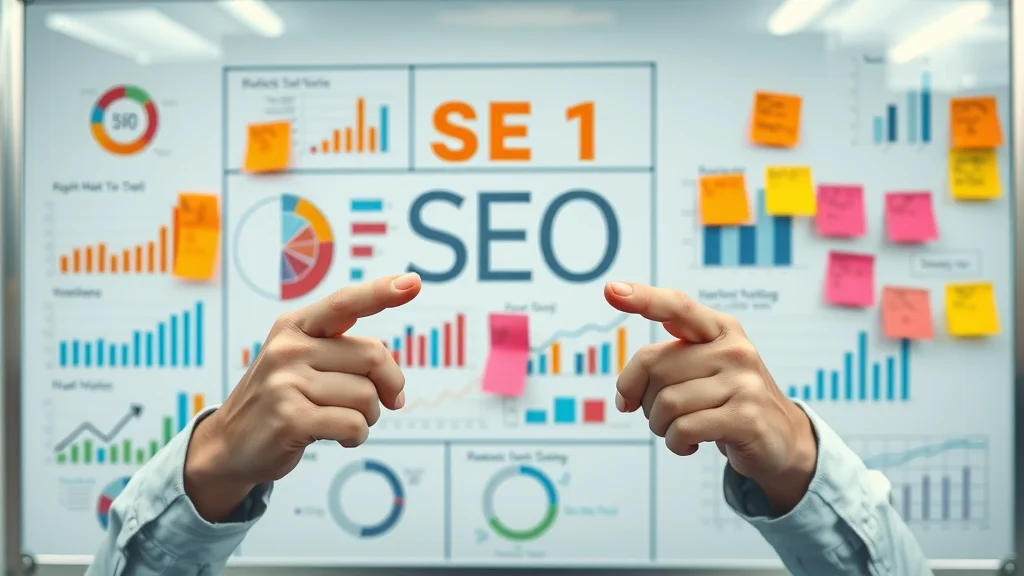
Conceptual diagram of SEO analytics tracking core metrics – SEO analytics foundations

Setting Up Your SEO Analytics and Tracking Environment

Google Analytics: The Industry Standard for SEO Analytics and Tracking

Google Analytics remains the go-to platform for most webmasters and marketers looking to understand site performance. It allows you to track organic traffic, monitor user behavior, measure conversion rates, and tie outcomes back to your SEO strategies—all from a powerful, flexible dashboard. To begin, simply sign up for Google Analytics, integrate it with your website via tracking code, then configure your property settings and goals to capture the specific performance metrics most important to your business.

Once set up, Google Analytics uncovers how users find your site, which content drives the most engagement, and which referral paths turn traffic into conversions. More importantly, it reveals trends in traffic and bounce rate, giving you a holistic snapshot of your SEO performance over time. Whether you’re running a small blog or managing enterprise-level SEO, no other tool offers the breadth and accessibility of insights as Google Analytics.

Hands-on setup with Google Analytics dashboard open – SEO analytics and tracking

Google Search Console and Search Performance

Google Search Console is your window into how Google’s search engine views and indexes your website. By verifying your domain and submitting sitemaps, you gain access to critical search performance data: impressions, clicks, average keyword ranking, and details about broken links or crawl errors. This tool is essential for spotting indexation issues, identifying opportunities to improve meta data, and ensuring site health from Google’s perspective.

Leveraging both Google Analytics and Search Console enables holistic SEO analytics and tracking. While Analytics captures the “what” of user behavior, Search Console reveals the “how” and “why” of search engine traffic—providing everything from keyword performance trends to insights on mobile usability and structured data errors. Integrating these tools into your SEO workflow is the single best move toward data-driven digital marketing success.

Checklist: Key Steps in Configuring SEO Analytics and Tracking Tools

  • Sign up for Google Analytics and connect your website
  • Verify your site with Google Search Console
  • Set key goals and conversion tracking
  • Install and configure additional analytics tools

Using Other Analytics Tools for SEO Performance Monitoring

The SEO analytics landscape is rich with specialized tools—beyond Google’s core offerings. Metrics platforms like SEMrush, Ahrefs, and Moz Pro enhance your ability to monitor keyword ranking, analyze backlinks, audit technical SEO issues, and benchmark your performance against competitors. These advanced SEO analytics tools often provide richer historical data, actionable competitor insights, and deeper troubleshooting, especially valuable for sophisticated SEO strategies or larger enterprise sites.

Blending several analytics tools ensures you capture both macro and micro trends, from high-level organic search traffic changes to granular keyword rank fluctuations and page-level SEO performance. By evaluating which analytics tools best suit your organization’s needs and integrating them into your workflow, you establish a robust foundation for measuring, analyzing, and improving your overall SEO efforts.

Key SEO Metrics to Track for Maximum ROI

Understanding and Monitoring Website Organic Traffic

Organic traffic refers to the number of visitors finding your website through unpaid search engine results. Tracking this metric over time helps you gauge the success of your SEO strategy and reveals which content or landing pages are resonating with users. Use web analytics platforms like Google Analytics to segment organic search visitors, evaluate trends, and see how your site’s performance compares to historical periods or competitors.

Closely monitoring organic traffic growth highlights not only your visibility in search engines but also uncovers the impact of technical improvements, content updates, and link acquisitions. For best results, compare organic sessions by device, geography, and conversion funnels to identify opportunities for optimizations that drive more of the right kind of traffic to your site.

Analytics dashboard showing organic traffic growth – SEO analytics and tracking

Tracking Keyword Rank and Keyword Ranking Progress

The journey from a keyword research list to the top of search results is paved with careful keyword ranking tracking. Monitoring your site’s keyword rank position for target search terms allows you to see where your content stands in relation to competitors—and to locate low-hanging fruit for optimization. SEO tools like SEMrush and Ahrefs provide daily keyword tracking, SERP feature analysis, and even alert you when your keyword rank changes significantly.

This focus on tracking keyword progress helps you uncover “quick-win” opportunities, where small on-page tweaks, more robust content, or backlinks can boost your ranking in key search results. Measuring keyword rankings across different pages and search engines supports a granular understanding of what’s working and arms you with the data needed to prioritize future SEO efforts for maximum ROI.

SEO Performance Metrics: Conversion Rate, Bounce Rate, and Dwell Time

While rankings and traffic are vital, measuring what users do after they land on your site is equally important. Conversion rate tells you the percentage of visitors taking a desired action—such as completing a purchase, filling out a form, or signing up for a newsletter. Bounce rate reveals the proportion of users who leave after viewing a single page, which may indicate non-relevant content or a poor user experience. Dwell time (how long a user spends on a page before returning to search results) signals engagement and content effectiveness.

These performance metrics are critical for translating SEO wins into business results. By diving deep into conversion, bounce, and dwell time data, you can spot underperforming landing pages, optimize calls to action, and enhance content flow for better user engagement. Healthy trends in these metrics typically mean your SEO strategy is resonating with your audience and meeting user intent.

Essential SEO Metrics for Tracking Success
Metric Definition Why It Matters
Organic Traffic Visitors from unpaid search Shows SEO effectiveness
Keyword Rank Position in search engine results Measures visibility
Bounce Rate Users who leave after one page Indicates relevance
Conversion Rate Visitors who complete goal Tied to ROI
Dwell Time Avg. time on page Signals engagement
Broken Links Non-functioning site links Affects user experience

Team reviewing bounce rate, conversion rate, and dwell time – SEO performance metrics

Analyzing Search Performance on Multiple Search Engines

While Google dominates, don’t overlook the impact of other search engines (Bing, Yahoo, DuckDuckGo, etc. ) on your organic search reach. Analyzing your website’s search performance across multiple platforms allows you to diversify your audience base, identify gaps in keyword coverage, and spot untapped traffic sources. Use multi-engine insights provided by modern SEO analytics tools to improve site coverage and competitive positioning in broader digital landscapes.

This diversified approach helps not only in increasing the total organic traffic but also insulates your SEO strategy from algorithm changes or sudden shifts in any single search engine. Integrated web analytics reporting makes it easy to compare performance metrics across platforms, ensuring you’re always several steps ahead of the game.

Going Beyond Basics: Actionable Insights from SEO Analytics and Tracking

Identifying Broken Links and Improving Site User Experience

Tracking and correcting broken links is a crucial, often neglected, aspect of SEO analytics. Such links frustrate visitors, undermine trust, and can signal to search engines that your site’s content is out of date. Use site audit features within analytics tools like Ahrefs or Screaming Frog to regularly scan your site for broken links. Fixing them swiftly not only optimizes user experience but may indirectly boost your seo performance by signaling site quality to search engines.

Moreover, effective user experience is at the heart of high rankings. Analytics can pinpoint site speed bottlenecks, poor navigation flows, or sections of content where users drop off. By using data to guide design and content decisions, you ensure every visitor benefits from seamless, relevant, and engaging site experiences that convert traffic into revenue.

Leveraging Analytics Tools for Advanced SEO Strategy

For more advanced marketers or larger websites, combining multiple SEO analytics tools delivers deeper, more nuanced actionable insights. Integrate keyword ranking tools (like SEMrush or Moz), technical audit platforms, backlink checkers, and custom analytics dashboards for an all-in-one, data-rich approach. With these, you can monitor competitor moves, track long-tail keyword opportunities, and visualize content gaps that can be turned into quick SEO wins.

Strategically using analytics tools is not just about tracking—it's about proactive SEO strategy creation. By setting up custom reports and alerts, you can respond instantly to traffic drops, sudden changes in keyword rank, or technical errors, safeguarding your organic growth at every step.

Strategist analyzing complex SEO analytics tools for actionable insights – advanced SEO strategy

Optimizing Content Using SEO Analytics and Tracking

Modern SEO analytics platforms make it easier than ever to link performance metrics to specific pieces of content. Use keyword ranking progress, bounce rate, dwell time, and conversion data to identify top performers and under-delivering pages. With this intel, prioritize content refreshes, add new sections where needed, and improve internal linking structures to pass page authority more efficiently.

Remember: content optimization is an ongoing process. Each update can be tracked for its direct SEO impact, letting you iterate and continually improve your site’s ability to attract, engage, and convert visitors. This data-driven approach gives you the edge against slower-moving competitors who rely on guesswork and outdated best practices.

Improving SEO Performance Metrics Continuously

The most successful digital teams embed SEO analytics and tracking into a culture of continuous improvement. Schedule regular reviews of key metrics, set quarterly benchmarks, and embrace an A/B testing mindset on your landing pages and content updates. Automating regular reporting via your web analytics suite or bespoke dashboards saves time and keeps your whole team laser-focused on optimizing for better conversion rates, longer dwell time, and healthier bounce rates.

This iterative process ensures you’re capitalizing on every opportunity and adapting to ever-shifting search engine algorithms. Data isn’t useful unless it prompts action—so use your analytics tools to refine your SEO strategy month after month and sustain momentum.

Continuous improvement illustration with SEO tracking and progress markers – SEO performance metrics

Comparing Top SEO Analytics Tools and Web Analytics Solutions

Feature Comparison: Leading SEO Analytics and Tracking Tools
Tool SEO Metrics Key Features Best For
Google Analytics Organic traffic, conversion rate, bounce rate Comprehensive tracking and reporting All businesses
Google Search Console Keyword rank, broken links, search performance Crawl insights, indexing, keywords SEO professionals
SEMrush Keyword ranking, competitor analysis Site audit, keyword tools Advanced marketers
Ahrefs Backlink, content analytics Detailed SEO metrics Large sites & agencies
Moz Pro SEO performance, actionable insights Easy reporting Small-medium businesses

Desktop showing side-by-side SEO analytics tool dashboards – comparison of analytics tools
  • Pros and cons for each platform
  • Best use cases for different business sizes and goals

Best Practices for SEO Analytics and Tracking Implementation

Setting SEO Performance Benchmarks Using Analytics Tools

Establishing clear, data-backed SEO performance benchmarks is essential for measuring success and guiding decisions. Use your analytics tools to set baseline values for organic traffic, conversion rates, bounce rates, and average keyword ranks. Regularly review and elevate these targets, aligning them with evolving business objectives and core SEO metrics. By benchmarking your current performance, you create a tangible foundation for sustainable growth and easy progress monitoring.

Automating Reporting and Alerts in Web Analytics

Avoid information overload and ensure no metrics are missed by setting up automated reporting and alerts. Most major analytics tools enable you to customize dashboards and schedule weekly or monthly reports sent directly to your inbox. Set thresholds for alerts on critical metrics like drastic traffic drops, sudden spikes in broken links, or negative trends in conversion rates. Automation empowers you to react quickly to performance shifts and maintain a proactive stance on your SEO strategy.

Using SEO Analytics and Tracking to Guide SEO Strategy

Continuous integration of analytics findings into your broader SEO strategy is what separates data-driven marketers from the rest. Let web analytics insights shape your keyword targeting, content development, and technical fixes. Regular alignment meetings between your content, technical, and strategy teams ensure that improvements are informed by real user behavior data, keeping your digital presence agile and ROI-focused at all times.

Key Takeaways on SEO Analytics and Tracking

  • SEO analytics and tracking are essential for maximizing digital ROI.
  • Combining multiple analytics tools offers deeper actionable insights.
  • Continuous review of SEO metrics improves long-term SEO performance.
  • Data-driven SEO strategy drives lasting results and user experience.

People Also Ask: Mastering SEO Analytics and Tracking

How do I set up SEO analytics and tracking on my website?

Start by creating accounts with Google Analytics and Google Search Console. Install the Analytics tracking code on your website and verify your site within Search Console. Configure your key goals and set up conversion tracking. For more insights, integrate supplementary analytics tools like SEMrush and Ahrefs for deeper keyword and technical tracking.

What are the most important SEO metrics to track?

Monitor organic traffic, keyword rank, conversion rate, bounce rate, dwell time, and watch for broken links. Together, these metrics provide a 360-degree view of your SEO performance and highlight areas for rapid improvement and ROI gains.

Infographic showing marketer pointing to icons for traffic, rank, conversion, bounce, dwell, and links – SEO metrics breakdown

Can SEO analytics and tracking improve my site’s search performance?

Absolutely. Leveraging SEO analytics tools helps identify your website’s strengths and weaknesses. Using the insights, you can refine your SEO strategy, fix technical issues, improve content, and ultimately increase search engine ranking, organic visibility, and conversions. Data-driven optimization leads to measurable improvements in long-term search results.

What’s the difference between Google Analytics and Google Search Console for SEO?

Google Analytics tracks how users behave on your website—measuring engagement, bounce rates, and conversions. Google Search Console provides insights on how your website is seen and indexed by search engines, showing keyword performance, crawl errors, and broken links. Both tools are essential for a comprehensive SEO analytics and tracking system.

Frequently Asked Questions (FAQs) about SEO Analytics and Tracking

  • How often should I review my SEO analytics and tracking data? – Review weekly for trends and monthly for deep analysis. React quickly to any major shifts in traffic or rankings.
  • How can I improve my conversion rate with SEO analytics? – Use analytics to identify high-traffic but low-converting pages; optimize CTAs, improve content relevance, or refine audience targeting.
  • What’s the fastest way to spot broken links using analytics tools? – Use built-in site audit features in tools like Ahrefs or Screaming Frog to automatically crawl your website and display all broken links for prompt correction.
  • Can web analytics reveal weaknesses in my SEO strategy? – Yes. Analytics tools can flag technical issues, poor-performing content, user drop-offs, and missed keyword opportunities.
  • Which SEO analytics tools provide the best actionable insights for small businesses? – Google Analytics and Google Search Console are free, powerful starting points. SEMrush and Moz offer accessible, in-depth analytics for growing enterprises as well.
"Reliable SEO analytics and tracking are no longer optional—they are a prerequisite for digital marketing success in today’s hyper-competitive landscape." - Steve Ferguson, Search Engine Marketing Expert

Conclusion: Drive Digital Growth with SEO Analytics and Tracking

Mastering SEO analytics and tracking is the surest path to measurable digital marketing ROI. Start tracking, act on your insights, and watch your business soar. Call or text us at (508)344-5927 or email us at steveferguson@stevefergusonsearchenginemarketing. com for expert SEO analytics solutions!

If you’re ready to take your digital marketing to the next level, consider how a unified approach to online visibility can multiply your results. By combining robust SEO analytics with effective review management and reputation strategies, you can build trust, attract more qualified leads, and strengthen your brand’s authority. Explore how integrating these advanced tactics can set your business apart—discover more about review management and social proof solutions to unlock even greater ROI from your digital efforts.

SEO

0 Views

0 Comments

Write A Comment

*
*
Related Posts All Posts
02.22.2026

Link Building Strategies That Drive Explosive Growth

Did you know that over 90% of web pages get zero organic traffic from Google – largely due to a lack of effective link building strategies? This staggering insight underscores why mastering link building is not just an SEO suggestion—it’s a necessity for explosive online growth. This comprehensive guide will walk you through the science and art of link building strategies that actually move the needle, unveiling proven tactics, 2025 trends, and expert advice to set your website apart. Why Link Building Strategies Are Vital for SEO Success “Over 90% of web pages get zero organic traffic from Google – largely due to a lack of effective link building strategies.” Link building strategies are at the very core of successful search engine optimization. In today’s competitive digital world, simply publishing great content isn’t enough to grab those top Google search results or attract meaningful organic traffic. Search engines use links as key signals of authority, trustworthiness, and content quality. The more high-quality links pointing to your site, the more likely you are to rank well. However, it’s about more than just quantity—it’s getting the right links, from relevant, reputable sources that matter most. That’s why adopting a robust link building strategy is a non-negotiable element if you want to see real, sustainable search engine results. With link building, you’re amplifying your website’s reach and tapping directly into the audiences of influential blogs, media sites, and thought leaders within your niche. Effective building strategies—like those detailed in this guide—do more than pass “link juice” for better Google search performance; they also drive referral traffic, establish brand credibility, and can even open doors for lucrative partnerships. Whether you’re running a blog, an eCommerce store, or a B2B service, the right link building strategies can directly impact your business’s growth trajectory. What You'll Learn About Link Building Strategies How modern link building strategies can accelerate your website’s growth The best tactics for 2025 and beyond Common pitfalls and how to avoid them Practical examples of highly successful campaigns Expert tips to refine your own link building strategy Understanding Link Building Strategies: Definitions and Importance What is a Link Building Strategy? A link building strategy is a planned approach to acquiring relevant, high-quality backlinks from authoritative sources across the web. These links act as votes of confidence in the eyes of search engines. The best strategies combine methods like outreach, content creation, and digital PR to attract links naturally and ethically. Implementing a solid building strategy isn’t about chasing thousands of random links—instead, it’s about finding relevant partners, creating valuable content that people want to reference, and ensuring each link adds real value for both search engines and human visitors. At its core, an effective link building strategy bridges the gap between your website and authoritative domains within your niche, helping you ascend in the Google search rankings. This can include writing influential blog posts, collaborating with industry thought leaders, or launching creative digital PR campaigns. Each method serves a different purpose in your overall SEO toolkit, but the central goal is always the same: drive organic traffic and establish your domain as a trusted resource in your industry. As you refine your approach, it's important to remember that link building doesn't exist in a vacuum—integrating your efforts with other digital channels can amplify results. For example, leveraging social media marketing strategies can significantly boost the visibility of your content, making it more likely to attract high-quality backlinks and foster organic growth. Why Link Building Remains Fundamental to Search Engine Rankings Despite algorithm updates and evolving digital marketing tactics, link building remains pivotal for search engine rankings. When a reputable site links to your content, it signals to Google that your page offers authoritative, valuable information. Search engines use these links to determine your site’s relevance and trustworthiness, influencing your placement in search results. Without a building strategy in place, it’s nearly impossible to compete for high-volume, high-intent keywords, even if your content is world-class. Moreover, links not only contribute to search engine credibility, but they also drive direct referral traffic from targeted audiences who trust the recommending source. This dual benefit—improved rankings and increased visitors—makes link building strategies an indispensable piece of any comprehensive digital marketing effort. Most importantly, a diverse portfolio of quality backlinks provides ongoing SEO value, ensuring that your organic growth is resilient to changes in search engine algorithms. How Building Strategies Shape Domain Authority and Organic Growth Domain authority is a key metric that search engines use to gauge the strength and influence of a website. Effective building strategies boost domain authority by earning quality backlinks from respected sources. This, in turn, leads to higher organic rankings and increased website traffic. But it doesn’t stop at traffic: high-domain authority sites are also more likely to earn additional organic links, as other sites tend to reference leading industry voices. The compounding effect of a great link building strategy is what truly drives explosive growth. As more high-authority sites link back to your site, you’ll notice a snowball effect—your rankings improve, your exposure increases, and so does your opportunity for engagement and conversions. That’s why understanding and implementing the right building strategies is fundamental to establishing both short-term wins and sustainable, long-term success in search engine optimization. 2025’s Most Effective Link Building Strategies 2025 Trends: The Link Building Strategy Playbook The landscape of link building strategies in 2025 continues to evolve rapidly. Gone are the days when simple directory submissions or mass link swaps could guarantee success. Today, Google rewards link building that is transparent, authentic, and focused on delivering tangible value. Expect digital PR to play an even bigger role, with brands securing high-quality editorial links through newsworthy campaigns and data-driven stories. Getting featured through interviews with thought leaders and guest posting on top-tier industry sites remains as powerful as ever. Other key trends include leveraging AI tools to identify link prospects, automating routine outreach, and personalizing every pitch for maximum impact. Collaboration with influencers and strategic partners is on the rise, while social media platforms are rapidly becoming hotspots for content amplification and organic backlink generation. In 2025, the link building strategy playbook rewards creativity, relationship-building, and the ability to provide unique, authoritative content that people want to link back to and share—especially via compelling blog posts and case studies. Creating a Future-Proof Building Strategy Creating a future-proof building strategy means thinking beyond quick wins. Focus on identifying link prospects that align closely with your audience and industry. Start with an in-depth analysis of your current link profile to understand strengths and gaps, then align your efforts around producing quality content—including blog posts and case studies—that others genuinely want to share. Digital PR and outreach to journalists are especially effective in securing high-authority editorial links that search engines trust. In 2025, the best link building strategies are built on an ongoing process of research, relationship-building, and refinement. Use automation for scalability but never lose the human touch—personalized pitches and thoughtful engagement with industry leaders are irreplaceable. Always monitor your results with robust tracking tools to assess which tactics are delivering quality backlinks, higher domain authority, and real traffic. This approach ensures your building strategy continues to propel you up the search engine rankings well into the future. Link Building Tactics: A Comprehensive List Guest Posting & Thought Leadership Resource Page Link Building Digital PR and High-Quality Publications Broken Link Building Blog Post Outreach and Content Syndication Creating Shareable Blog Posts and Case Studies Utilizing Social Media for Amplified Building Strategies Each tactic contributes distinct advantages. Guest posting in influential blogs increases your authority and puts your content before new audiences. Resource page link building is perfect for educational content that addresses pain points in your niche. Digital PR helps land high-value editorial mentions, while broken link building lets you provide a solution where others have out-of-date or broken resources. Blog post outreach ensures your best content isn’t hidden but is featured on multiple platforms, and syndicating case studies builds proof of expertise and delivers organic backlinks. Meanwhile, social media amplification can trigger viral sharing, leading to a continuous flow of natural links to your website. Step-by-Step Guide: Building Your Own Link Building Strategy Analyzing Your Current Link Profile Start by conducting a comprehensive audit of your link profile. Use SEO tools like Ahrefs, SEMrush, or Google Search Console to identify which domains are linking to you and evaluate the quality of these backlinks. Look for patterns—are most links relevant to your niche? Are there low-authority or suspicious sites in your link profile? Take this opportunity to remove or disavow harmful links and identify gaps where you could benefit from higher-quality links. Regularly auditing and refining your link profile ensures you maintain a strong foundation for your ongoing building strategy, and helps prevent any penalties from search engines for toxic links. Assessing your link profile also helps benchmark progress for your link building strategies. Understanding your current strengths (such as a steady flow of editorial links) and weaknesses (such as a lack of variety in link types) will guide your tactics. It’s also essential to monitor anchor text distribution, as over-optimization—using the same keyword repeatedly—can harm your search engine rankings. Regular link profile analysis is the cornerstone of an effective building strategy. Identifying Link Prospects by Niche & Value Finding the right link prospects can make or break your link building strategy. Start by targeting websites and blogs that are relevant to your industry or topic. Pay close attention to sites that already link to competitors, as these publishers are likely to be interested in your content if it adds unique value. Use tools to analyze competitor backlink profiles and leverage Google search operators (like inurl:resources or intitle:guest post) to find relevant opportunities. Evaluate each prospect based on domain authority, existing content quality, and their willingness to feature third-party or thought leadership blog posts. Avoid excessive focus on massive sites only—sometimes, niche industry blogs or community forums can yield highly relevant links and valuable referral traffic. Always prioritize relevance and potential value over domain size when building outreach lists. The goal is to secure links that benefit both SEO and real-world brand visibility. Crafting Compelling Outreach Pitches The success of your outreach—and by extension, your entire link building strategy—hinges on your ability to craft compelling, personalized pitches. Avoid generic templates; instead, take the time to reference specific articles or themes on the recipient’s website, showing that your request is thoughtful and tailored. Highlight the mutual benefits: for example, your content could fill a gap in their resources, offer expert commentary, or add unique research to a trending topic. Remember that editors, bloggers, and journalists receive dozens of pitches every week. Stand out by being concise, respectful, and direct about why your content is worth sharing. If you’re pitching a guest post or suggesting a link back, make sure your message reflects expert insights, includes relevant examples (like original data or in-depth blog posts), and demonstrates your credibility. Consistency in personalized outreach is crucial for turning prospects into valuable backlinks. Tracking Results and Measuring Success A winning link building strategy is guided by ongoing measurement and adaptation. Use tracking tools (such as Google Analytics, Ahrefs, or Moz) to monitor changes in your backlink profile, domain authority, and organic traffic. Pay attention to which building strategies and tactics yield the highest-quality backlinks and drive tangible SEO improvements. Set clear KPIs—like the number of new relevant links, referral visits, or ranking improvements for target keywords. Document every outreach effort, record outcomes, and regularly evaluate your results. By systematically tracking your work, you can double down on tactics that drive growth and refine or abandon those that provide little value. This iterative process is what differentiates successful link builders from the rest. Case Studies: Link Building Strategies That Delivered Explosive Growth Industry Building Strategy Results eCommerce Broken Link + Guest Posting 300% Organic Traffic Increase B2B SaaS Digital PR Campaign 200+ Backlinks in 6 Months Health Blog Resource Page Outreach #1 Rankings for Long-Tail Keywords “A robust link building strategy isn’t about quantity – it’s about relevance, authority, and consistency.” – Steve Ferguson The Power of Digital PR in Modern Link Building Strategies Leveraging Digital PR for Editorial Links Digital PR is now a foundational pillar in top-tier link building strategies. By crafting newsworthy stories, unique research findings, and expert commentary, you can land editorial mentions in high-authority publications—often resulting in powerful links back to your site. Initiatives like publishing original studies, conducting industry surveys, or hosting expert panels not only draw attention from journalists but also establish your brand as a thought leader. Editorial links bring long-lasting SEO value because they are hard to earn, tough to replicate, and are seen by search engines as highly authoritative. Digital PR campaigns also provide substantial brand exposure and can trigger a domino effect, with other blogs and news sites covering your content and linking to your website. This strategy moves your link building efforts beyond typical blog post outreach and into the realm of true industry influence. How to Pitch Journalists and Thought Leaders Effectively Successful pitches to journalists and thought leaders start with identifying what’s genuinely newsworthy about your content. Whether you’re breaking down new research, responding to current events, or delivering unique insights, always align your hook with the publication’s audience. Personalize every pitch—reference previous stories, explain why your contribution adds value, and demonstrate your expertise. Provide supporting data, visuals, or exclusive commentary that makes the editor’s job easier. Journalists appreciate pitches that contain all the elements necessary for a compelling story—including statistics, quotable analysis, and timely relevance. Relationship-building is key: don’t just reach out when you want a link. Engage with journalists and thought leaders by sharing their work, commenting on articles, and fostering long-term professional rapport. This combination of authenticity and persistence will set your digital PR building strategies apart. Advanced Link Building Strategies: Beyond Basics Skyscraper Technique for Superior Blog Posts The Skyscraper Technique is a sophisticated approach for earning high-quality backlinks by creating blog posts and resources far more comprehensive than anything currently available. Start by identifying top-performing content in your niche, then analyze what makes those blog posts successful. Next, create an improved version—add depth, include updated data, incorporate better visuals, or address unanswered questions. Once your piece of content is live, reach out to sites that linked to the original articles and demonstrate why your content offers enhanced value. This technique not only helps you earn more links to your website but also positions your blog as the go-to resource for in-depth information. The Skyscraper Technique is ideal for evergreen content, as it continues to attract links and referral traffic over time. Strategic Partnerships and Guest Blog Exchanges Partnering with other businesses or thought leaders for guest blog exchanges is an effective way to access new audiences and gain relevant backlinks. These collaborations might include co-authoring blog posts, running joint webinars, or contributing expert quotes to each other’s content. Always focus on mutual value—guest posting or guest blogging should benefit both parties through shared readership and increased domain authority. Strategic partnerships often lead to ongoing link opportunities as both parties continue to grow. The key here is transparency and trust—never rely on spammy blog networks or unnatural link exchanges. Instead, seek authentic collaboration built on delivering value to the audience. By leveraging each collaborator’s email lists, social media channels, and existing link building strategies, you multiply your exposure exponentially. Reclaiming Lost Links & 404 Broken Link Building Broken link building turns the problem of expired or outdated resources into an opportunity for your site. Use tools to scan for broken links on high-authority sites relevant to your niche, then approach the site owners with a courteous, helpful message offering your content as a replacement. This not only wins you a valuable backlink, but also helps the publisher maintain a positive user experience for their audience. You can also employ link reclamation for lost or changed URLs that previously pointed to your content. Reach out to the webmasters, provide the correct URL, and often regain that valuable link back. Combining these advanced tactics with your other building strategies ensures a steady stream of high-quality, relevant links. Common Mistakes to Avoid in Your Link Building Strategy Using Black-Hat Tactics Ignoring Building Strategies for Relevance Underestimating the Power of Thought Leadership Effective link building strategies rely on quality, relevance, and authenticity. Avoid shortcuts like buying links or relying on low-value automated directories—these black-hat methods risk search engine penalties. Don’t overlook the importance of earning links that are actually relevant to your audience or industry. And never underestimate the influence you can build as a thought leader through consistent, high-value content. Sidestepping these pitfalls is essential for long-term SEO success. How to Share Your Content for Link Building Strategies Maximizing Reach Through Social Media Social media platforms are crucial tools in your link building strategy. Share your content consistently across channels like LinkedIn, Twitter, Instagram, and Facebook to maximize reach. The more engagement your content receives, the more likely it is to earn natural backlinks from readers, bloggers, and industry peers. Leverage hashtags, tag relevant influencers, and encourage sharing within community groups. Social media amplification should be coordinated with email marketing and digital PR for optimal results. Launching a new blog post, case study, or research report? Create tailored social posts, schedule regular reposts, and invite participation from your network. The compounding effect extends your brand’s visibility and boosts your link acquisition efforts across all channels. Repurposing Blog Posts and Case Studies Repurposing high-performing blog posts and case studies is a smart way to squeeze more value and links from quality content. Turn a successful blog post into an infographic, a podcast episode, or a series of short videos. Summarize key insights for different industry forums or Q&A sites, always linking back to the original piece on your website. By adapting content to multiple formats and platforms, you tap into new audiences and expand the chances of your content being referenced by others. Repurposing is especially effective for in-depth case studies, as their detailed results and insights are often cited in industry roundups, research papers, and expert blogs—resulting in valuable backlinks. Building Relationships in Your Industry Lasting link building strategies are built on real relationships, not transactions. Network with bloggers, journalists, podcasters, and industry leaders. Attend events (virtual or physical), participate in discussions, and support others by sharing their content. Over time, your brand becomes a familiar name, making others more likely to link to your website organically. Building authentic relationships unlocks opportunities you might never achieve through cold outreach alone. These connections lead to reciprocal linking, thought leadership features, and invitations for guest posting—all crucial for a durable building strategy in a competitive search landscape. Measuring the Success of Your Link Building Strategies Core Metrics: Backlinks, DR, Traffic, and Conversions Tracking the effectiveness of your link building strategy requires focusing on core SEO metrics: the number and quality of backlinks, Domain Rating (DR) or Domain Authority (DA), organic traffic, and conversions. Don’t just count links—examine their relevance, anchor text, and the authority of referring domains. Monitor your position in search engine results for target keywords, as well as any uptick in direct traffic from referral sources. Pay special attention to conversion rates from organic traffic, not just overall visitor numbers. Growth in backlinks and improved domain authority should correlate with more leads, customers, or subscribers. These KPIs help you assess whether your building strategies are truly driving growth or simply inflating vanity metrics. Tools to Track Your Link Building Strategy Invest in robust analytics and monitoring tools to keep your link building efforts on track. Ahrefs, SEMrush, Moz, and Google Search Console are trusted platforms for auditing your link profile, tracking new and lost backlinks, and measuring overall domain authority. Google Analytics and similar tools can help you monitor referral traffic and conversions attributed to new links. Regular reporting helps identify which building strategies drive the best results and reveal areas for further optimization. Set up alerts for mentions or new backlinks to respond promptly to unlinked citations or opportunities for link reclamation. A data-driven approach ensures your building strategy stays agile, effective, and ready for any changes in the search engine landscape. People Also Ask: Your Link Building Strategy Questions Answered What is a link building strategy? A link building strategy is a proactive plan to acquire high-quality backlinks from other websites as part of your overall SEO and digital marketing efforts. It involves tactics like outreach, guest posting, digital PR, and producing valuable content that others want to reference. Effective strategies are built on relevance, authority, and sustained effort, aiming to boost rankings, traffic, and overall domain authority over time. What is the link building strategy of 2025? The top link building strategies of 2025 focus on digital PR, authentic collaborations, and advanced content-driven tactics. Brands invest in creative campaigns that earn news coverage and editorial mentions, partner with thought leaders for joint blog posts, and leverage AI-powered tools for improved prospecting and personalized outreach. Emphasis is placed on relevance, trust, and measurable results rather than outdated, quantity-based tactics. What is the 80/20 rule in SEO? The 80/20 rule in SEO (Pareto Principle) suggests that 80% of your results come from 20% of your efforts. In link building, this means focusing on a handful of high-impact tactics—such as quality guest posting or digital PR campaigns—will yield the majority of your links and organic growth, compared to spreading efforts thin across many low-value tasks. What are the 3 C's of SEO? The 3 C’s of SEO are Content, Code, and Credibility. Quality, relevant content attracts links; clean, optimized code ensures your site is crawlable by search engines; and credibility (often measured by backlinks and authority) signals trustworthiness to users and search engines alike. Strong link building strategies directly contribute to the credibility “C” by earning authoritative references from across the web. Detailed Answers to Each PAA Question In summary, link building strategies represent a critical SEO discipline in which your actions—networking, creating remarkable content, and generating newsworthy campaigns—determine your site’s success. By focusing energy on the highest-impact tactics and aligning each step with authoritative partners and platforms, you’re equipped for sustained organic growth in an ever-competitive digital landscape. Frequently Asked Questions About Link Building Strategies What’s the difference between white-hat and black-hat link building? White-hat link building uses ethical tactics (like outreach, content publishing, and digital PR) that align with Google’s guidelines, while black-hat methods (such as buying links or spamming directories) risk search engine penalties and long-term damage to your rankings. Always choose quality over shortcuts. How long does it take to see results from modern building strategies? Timelines vary, but most link building strategies begin showing initial SEO and traffic improvements within 2 to 6 months of consistent effort. Sustained, high-quality outreach and content creation yield the best long-term returns. Which industries benefit the most from digital PR? Nearly all industries can benefit, but digital PR is especially effective in competitive sectors like B2B SaaS, eCommerce, health, finance, and technology—where newsworthy stories and expert commentary are highly valued by journalists and publishers. Can link building hurt your SEO? Yes, low-quality or black-hat building strategies—such as spammy directories, paid links, or irrelevant sources—can trigger Google penalties and hurt your rankings. Stick with ethical, relevant tactics for sustainable SEO growth. Key Takeaways for Explosive Growth with Link Building Strategies Link building strategies drive authority, rankings, and traffic. Adopt a multifaceted strategy: guest posting, digital PR, broken link outreach, and content amplification. Quality, consistency, and targeted outreach yield sustainable results. Ready to Boost Your Rankings? "Call Or Text Us At (508)344-5927 Or Email Us At steveferguson@stevefergusonsearchenginemarketing.com to unlock explosive growth with proven link building strategies for your business." In conclusion: Mastering link building strategies unlocks the door to authority, search visibility, and long-term growth. Start today to see your rankings soar! If you’re eager to take your digital marketing to the next level, consider how a holistic approach can multiply your results. Integrating link building with broader strategies—such as reputation management, paid advertising, and advanced analytics—can create a powerful synergy for your brand. Explore our other resources to discover how combining these tactics can elevate your online presence and drive sustainable business growth. For those ready to dive deeper, our insights on social media marketing reveal how to amplify your content and build lasting authority in your industry.

02.22.2026

Mobile SEO Optimization: Win Customers On The Go Now

Did you know that more than 60% of all Google searches come from mobile devices? If you’re not prioritizing mobile SEO optimization, you could be losing out on a majority of your potential customers. Mobile traffic is already dwarfing desktop, putting businesses without a mobile-optimized strategy at a stark disadvantage. This comprehensive guide reveals why mobile SEO is no longer optional, what practical steps you must take, and how to future-proof your business for the mobile-first generation. Unlocking Success with Mobile SEO Optimization: Why It Matters Today "Over 60% of all Google searches originate from mobile devices—ignoring mobile SEO optimization is ignoring your future customers." The share of mobile traffic has jumped to nearly 65% of all web traffic worldwide, eclipsing desktop usage in almost every sector. Websites with poor mobile user experiences see bounce rates spike by 20–40%, directly hurting conversions. A Google study found 70% of mobile users are less likely to return to a site if it loads slowly. Mobile-friendly sites maintain better search rankings—Google’s mobile-first indexing means mobile search performance impacts where you appear in search results. What You’ll Learn About Mobile SEO Optimization Key principles of mobile SEO optimization How mobile user experience shapes your rankings Best tools and techniques for optimizing your mobile site Mobile search engine requirements for higher visibility Future trends: Voice search and beyond Defining Mobile SEO Optimization: The Core Concepts What is Mobile SEO? Mobile SEO optimization is the process of ensuring your website ranks well and delivers a frictionless experience on mobile devices, such as smartphones and tablets. Unlike traditional desktop SEO, mobile SEO places greater emphasis on responsive design, fast load time, concise content, and intuitive navigation tailored for smaller screens. Search engines now evaluate how your mobile page performs, using metrics like user experience, mobile traffic rates, and site usability for mobile users. In today’s landscape, mobile users expect lightning-fast performance and seamless interactions. When you invest in mobile SEO, you actively prioritize the needs of this rapidly expanding audience. Search engines reward sites that adapt their layouts, images, and navigation to fit any screen size, contributing to improved search rankings and higher conversion rates. The Evolution of Mobile SEO Optimization and Search Engines Mobile search started as a basic adaptation of desktop sites, but now leverages mobile-first indexing to determine search rankings primarily from the mobile version of your site. Google’s shift to mobile-first has forced businesses to reconsider everything from page speed to mobile navigation structure. The marketplace is rapidly evolving: sites that excel in mobile page performance consistently outperform those that do not. Mobile SEO is now a key driver for online visibility. The constant evolution of search engine algorithms, with an increasing preference for mobile-optimized content, raises the bar for businesses. Sites with slow performance, confusing navigation, or non-responsive layouts risk losing their search result positions as user expectations—and Google’s criteria—grow ever stricter. As you refine your mobile SEO strategy, it's also important to consider how your online presence extends across platforms. Integrating effective social media marketing tactics can further amplify your reach and support your mobile optimization efforts, ensuring your brand remains visible wherever your audience spends their time. Mobile SEO Optimization and User Experience: The Make or Break Factors Understanding Mobile User Experience in SEO Responsive design means your site automatically adjusts layout, font size, and images to fit perfectly on any device. Reducing bounce rates—the number of users who leave after viewing just one page—hinges on delivering fast, engaging mobile content. Intuitive navigation, such as large touch targets and minimal screen clutter, keeps mobile users engaged longer. Most users decide whether to stay or leave within the first few seconds on a mobile site. A thoughtful mobile user experience is crucial: if buttons are too small, menus are hard to find, or text is unreadable, you’ll see higher bounce rates and lower conversions. Prioritizing mobile SEO optimization ensures your mobile site isn’t just accessible, but enjoyable and easy to use. "The mobile user’s patience is thinner than ever—improving user experience is a direct investment in your SEO." Responsive Design & Mobile Page Optimization Essentials Use responsive design frameworks to build flexible layouts that look great on all mobile devices. Balance a great mobile site with a dedicated mobile app only if needed—websites with proper mobile optimization often beat out apps for search visibility and broad access. Responsive design isn’t a trend; it’s foundational for any business wanting to win in mobile SEO. Make sure images are optimized and text flows naturally regardless of the screen size. Compare your mobile version and desktop version frequently to iron out quirks and maintain a seamless user experience. Technical Pillars of Mobile SEO Optimization Page Speed Optimization for Mobile Users A slow-loading mobile page kills conversions—aim for a page speed of under 3 seconds on mobile devices. Use tools like Google PageSpeed Insights and Lighthouse to measure performance and uncover improvement areas. Compress images, leverage browser caching, and minimize JavaScript for faster load times. Mobile users expect instant access, making page speed a cornerstone of both SEO strategy and user experience. Even slight delays increase bounce rates exponentially—every additional second can cost you valuable leads. Search engines favor optimized sites for mobile search, further underscoring the need for technical excellence. Mobile Page Structure: Best Practices for Search Engines Structure your content with clear H1, H2, and H3 tags for mobile SEO optimization. Optimize images using descriptive img alt tags and responsive image sizing to reduce load time and improve accessibility. Search engine crawlers parse mobile sites differently from desktop. Clean code structure, semantic markup, and thoughtful use of headings boost your search optimization—especially as mobile and desktop become more intertwined in user journeys. High-quality, relevant images further engage users without slowing the site, provided they’re sized for mobile devices. Mobile Page Speed vs. Desktop & Bounce Rates Average Mobile Average Desktop Page Speed (seconds) 3.5 2.1 Bounce Rate (%) 58% 43% On-Page and Off-Page Mobile SEO Optimization Strategies Optimizing Content for Mobile Search Engines Write concise copy, use bullet points, and make sure buttons are easy to tap (touch targets). Incorporate NLP keywords naturally, paying attention to how people phrase searches on their mobile device. Effective mobile SEO optimization isn’t just about code—it’s the words you use and how you present them on smaller screens. Break up blocks of text, utilize short paragraphs, and prioritize scannable content. Leverage H1, H2, and H3 tags semantically for clarity. Remember, the goal is helping users get what they want, fast, while also signaling relevance to search engines. Mobile SEO Optimization for Voice Search Voice search is rapidly growing—over 50% of mobile users use voice commands to search. Optimize for conversational keywords, natural language, and question-based queries (“where,” “how,” “best near me?”). Voice assistants like Google Assistant and Siri are changing how users interact with search engines. To capitalize on this, your content must answer natural language questions, make effective use of local SEO, and load quickly. Prioritizing mobile SEO optimization for voice search ensures your site for mobile is ready for the latest trends and preferences. Local SEO and Mobile Optimization Nearly 80% of local searches from mobile devices lead to a store visit within 24 hours—local SEO is critical for mobile optimization. Enhance with schema markup, verified Google My Business listings, and NAP (Name, Address, Phone) consistency. When mobile users search “best coffee shop near me,” search engines rely on local SEO signals. Your mobile site should feature up-to-date business location info, embedded maps, and structured data to surface more often in mobile search results. Combining mobile SEO optimization with local strategies is the fastest way to attract foot traffic and drive conversions from people on the go. Watch: Live demonstration on how to check your site for mobile optimization using online tools. Common Pitfalls and Mistakes in Mobile SEO Optimization Neglecting responsive design can alienate mobile users, increasing bounce rates and lowering search visibility. Ignoring page speed—even by a second—can tank rankings and frustrate users. Blocking JavaScript or CSS files prevents search engines from properly evaluating your mobile site. "Neglecting mobile optimization is the fastest path to dropping off the first page of search results." Top 5 most common mobile SEO optimization fails Unoptimized images slowing load time Too-small touch targets and illegible text Outdated or missing mobile-friendly test tags Overly complex navigation menus Missing mobile version redirects or incorrect canonical tags Quick fixes for frequent mobile site issues Regularly run Google’s Mobile-Friendly Test Implement responsive frameworks (like Bootstrap or Foundation) Compress and resize images for mobile Streamline navigation and simplify forms Measuring Success: Key Metrics for Mobile SEO Optimization Essential KPIs for Mobile User Experience Track mobile traffic via Google Analytics and segment by device and location. Key performance indicators: bounce rate, average session duration (time on site), conversions specifically from mobile users. Consistent monitoring of analytics enables you to fine-tune your mobile SEO optimization efforts. High bounce rates often signal poor design or slow performance, while longer session times point to an engaging mobile experience. Set clear targets and compare both mobile and desktop metrics for optimization insight. Mobile SEO Tools for Search Optimization Leverage must-have tools: Google Search Console for diagnostics, Lighthouse for audits, SEMrush for competitive mobile insights. Use mobile ranking reports and diagnostics to understand trends and site performance. There’s no need to guess—automated tools help identify technical bottlenecks and offer step-by-step recommendations. Regular audits reveal shifts in load time, site errors, or mobile search performance drops, keeping your seo strategy effective and up-to-date. Sample KPI Dashboard for Mobile SEO Optimization Results KPI Value Target Mobile Traffic (%) 68% 65%+ Bounce Rate (Mobile) 44% <50% Avg Load Time (Mobile) 2.8s <3s Mobile Conversions 1.7% 1.5%+ Best Practices: Future-Proofing Mobile SEO Optimization Staying Ahead with the Latest Mobile Search Engine Trends Monitor changes in Google’s search algorithm, as mobile-first signals and page speed continue to rise in importance. Integrate the latest AI and voice search approaches to keep your mobile users engaged and loyal. The future of mobile SEO optimization is in constant flux. Proactive businesses closely monitor industry news, test their sites after every update, and embrace emerging tech like AI and voice search. This adaptability not only keeps you competitive in search results but also ensures you’re delivering what mobile users will demand next. Ongoing Mobile SEO Optimization Checklist Test responsive design monthly Check page speed regularly Audit navigation and user experience Update schema markup for local SEO Monitor Google My Business and local directories Watch: Industry experts discuss the future of mobile SEO optimization. People Also Ask: Mobile SEO Optimization How to optimize for mobile SEO? Start by implementing responsive design, ensuring your website adapts to all screen sizes and types of mobile devices. Optimize page speed by compressing images and minimizing code, and structure content with clear headings and short paragraphs. Regularly test your mobile site using Google’s Mobile-Friendly Test and monitor performance in Google Analytics to stay on track. Lastly, use local SEO and voice search best practices to capture emerging mobile search trends. What is the 80/20 rule for SEO? The 80/20 rule for SEO suggests that 80% of your results will come from 20% of your efforts. For mobile SEO optimization, focus on the small set of actions—like improving load time, mobile usability, and core technical issues—that drive the biggest gains in search visibility and user engagement, rather than spreading your resources thin across less impactful changes. Does SEO work on mobile? Absolutely. In fact, SEO has a massive impact on mobile performance; Google’s mobile-first indexing uses the mobile version of your site to determine rankings in search results. Prioritizing mobile SEO optimization ensures your content appears prominently to mobile users and matches what they want, driving traffic and higher conversions from search engines. What are the 3 C's of SEO? The three C’s of SEO are Content, Code, and Credibility. For mobile SEO optimization, these translate to: offering relevant content tailored for mobile users, employing clean and responsive code for all devices, and building credibility through quality backlinks, positive user reviews, and accurate business listings. Frequently Asked Questions About Mobile SEO Optimization How do I test my mobile site for SEO optimization? Use Google’s Mobile-Friendly Test or Lighthouse audit in Chrome DevTools. These free resources check your mobile site for speed, usability, and common SEO errors. What common design flaws affect mobile user experience? Small tap targets, confusing navigation, large pop-ups, heavy images, and non-responsive layouts cause mobile users to leave quickly. Should all desktop content be included in a mobile site? Yes, but adapt formatting for mobile devices. Streamline long sections and prioritize critical information so users don’t have to scroll endlessly. How important is voice search for mobile SEO? Increasingly important—more users rely on voice commands for quick searches, making it vital to target conversational keywords and question-based content. What are the best free tools for mobile SEO optimization? Use Google’s PageSpeed Insights, Mobile-Friendly Test, Search Console, and Lighthouse. These tools highlight performance bottlenecks and SEO issues for free. "Every smartphone in a potential customer’s pocket is an opportunity or a missed chance—mobile SEO optimization bridges that gap." Key Takeaways for Mobile SEO Optimization Mobile SEO optimization is not optional—it's essential for reaching today’s consumers. User experience and technical performance drive mobile search rankings. Frequent testing and staying updated keep your mobile SEO ahead of algorithm changes. Voice search and local optimization are growth areas for future success. If you’re ready to take your digital marketing to the next level, consider how a holistic approach can multiply your results. Beyond optimizing for mobile search, building a strong reputation and engaging your audience across channels is key to long-term growth. Discover how review management and social media strategies can work hand-in-hand with your mobile SEO efforts by exploring our insights on social media marketing and reputation management. By integrating these advanced tactics, you’ll not only attract more mobile users but also foster trust and loyalty that drive sustained business success. Ready to Transform Your Mobile SEO Optimization? Call Or Text Us At (508)344-5927 Or Email Us At steveferguson@stevefergusonsearchenginemarketing. com to start winning customers on the go today!

02.21.2026

Keyword Research For Small Businesses: Find Gold Fast

Did you know that over 93% of online interactions begin with a search engine, but less than 30% of small businesses invest in keyword research? This means that the majority are leaving treasure buried just beneath the surface. In today’s digital world, unlocking the right keywords is like striking gold—but most entrepreneurs never even pick up a pan. This comprehensive guide will show you how keyword research for small businesses can turn invisible products into bestsellers, attract ready-to-buy customers, and help you outperform the competition—fast. Unlocking Success: Why Keyword Research For Small Businesses Changes The Game For any small business owner aiming to stand out online, keyword research isn’t just another task—it’s the blueprint for more sales, more leads, and more business growth. Studies reveal that businesses leveraging targeted keywords experience up to a 40% increase in website traffic and double the conversion rates compared to those neglecting their keyword strategy. By understanding exactly what your potential customers are searching for, you can create content, ads, and offers that show up exactly when and where it matters most. Whether you’re running a bakery, plumbing service, or online retail shop, strategic keyword research for small businesses provides a proven roadmap to connect you with genuine buyers, not just browsers. The value of optimizing your keyword list goes beyond merely increasing search rankings. It drives clarity into what your audience wants, guides every blog post or product page you publish, and shapes a focused SEO strategy that delivers measurable ROI. This section will arm you with practical insights and step-by-step guidance, helping you harness the power of keyword tools and data-driven planning to unlock real business growth—starting today. As you refine your keyword strategy, it's also worth considering how your online reputation and customer reviews can impact your search visibility and local rankings. For actionable tips on leveraging social proof and managing your business’s reputation, explore our guide on review management and social media marketing for small businesses. A Surprising Statistic: The Impact Of Keyword Research On Small Business Visibility According to recent industry data, small businesses utilizing keyword research strategies are 70% more likely to reach top-10 positions on search engines for core products or services. With search volume for commercial intent keywords climbing every year, the gap between businesses who act and those who don’t is widening. If you want your website to consistently show up in relevant search results and capture organic leads before your competitors do, investing time in the right keyword research tool is no longer optional—it's essential. What You'll Learn In This Guide To Keyword Research For Small Businesses The fundamentals of keyword research for small businesses How to use free keyword and paid keyword tool options effectively Crafting your keyword plan for rapid growth Filtering seed keywords into profit-drivers using keyword list techniques Local SEO optimization for small businesses Using research tools to outperform competitors What Is Keyword Research For Small Businesses? Keyword research for small businesses is the process of identifying, analyzing, and prioritizing the words and phrases your customers type into search engines when looking for products or services like yours. It’s the foundation of any effective SEO strategy and empowers you to connect your brand with real-world demand. Without keyword research, even the best websites remain invisible to their intended audience. Understanding how to find and use the right keywords ensures that your business is discoverable at every stage of the buyer’s journey, from initial research through to purchase. Defining Keyword Research And Its Role For The Small Business Owner At its core, keyword research is about putting yourself in the shoes of your potential customer. It means asking: what might someone search for when looking for your products or services? By leveraging keyword research tools and free keyword research resources, a small business owner can uncover “hidden” opportunities—those phrases with steady volumes yet manageable competition. This insight guides content creation, Google Ads campaigns, and even the structure of your website. Smart keyword selection helps you sidestep broad, highly-competitive phrases and win valuable traffic through targeted long-tail and local SEO keywords. That’s why it’s central not just to your marketing, but to your overall business strategy. Why Small Businesses Can't Afford To Ignore Keyword Research Neglecting keyword research means your small business risks remaining invisible to online buyers actively searching for your offerings. The cost of inaction is steep—missed revenue, lower brand awareness, and being consistently outranked by competitors using even basic research tools. Meanwhile, actionable keyword data gives you the chance to elevate every blog post, landing page, and Google Ad, putting your business in front of ready-to-buy local and national clients. Keyword research helps you focus marketing spend, optimize for each stage of the buyer journey, and ensures that every promotional effort, from social media to ads, is anchored in real-world demand and search volume. The Keyword Research Process For Small Businesses: Step-By-Step Keyword research for small businesses doesn’t have to be overwhelming. By breaking it into manageable steps—and using the right free keyword and paid keyword tool options—you can surface high-impact keyword ideas, organize them for clarity, and quickly launch a keyword plan that delivers results. This step-by-step process is designed for the busy business owner, empowering you to achieve meaningful online growth, even with a limited marketing budget. Step 1: Identifying Seed Keywords And Business Goals Brainstorming initial seed keywords for your small business: Start by listing the core “seed keywords” that directly relate to your offerings. These are broad terms like “Boston bakery,” “emergency plumber,” or “handmade candles.” Involve your team, scan your competitors’ websites, and review your products or services for inspiration. Aligning keyword research with business owner objectives: Match your seed keywords with specific business goals—such as driving bookings, increasing online sales, or capturing new subscribers. This alignment ensures your keyword list supports real-world growth and targets what matters most to your bottom line. Step 2: Using Free Keyword Research And Paid Keyword Tools Overview of free keyword tools & premium keyword research tools: Free tools like Google Keyword Planner and UberSuggest allow you to generate keyword ideas, analyze search volume, and spot new opportunities. Paid options, such as SEMrush or Ahrefs, offer advanced tracking, competitor analysis, and deeper insights for those with larger ambitions or bigger marketing budgets. Integrating Google Keyword Planner, Keyword Tool, and additional research tools: Use multiple tools for a well-rounded view. Start with a free keyword research tool to get a broad list, then leverage premium features to refine your list and prioritize based on competition, click-through rates, and local SEO relevance. Step 3: Building And Organizing Your Keyword List How to structure a keyword list for small businesses: Organize keywords in a spreadsheet, segmenting them based on intent (informational, navigational, transactional), and grouping similar themes together. This structure simplifies implementation and performance tracking as you grow. Segmenting keywords for local SEO and niche targeting: Identify and label local keywords (like “near me” queries or town names), as well as niche, lower-competition terms. Prioritize these in your initial campaigns for faster wins and higher ROI. Step 4: Analyzing Search Intent For Small Businesses Understanding buyer, informational, navigational, and transactional intent: Not all keywords signal the same intent. Use research tools and manual inspection to identify which terms suggest someone is researching, looking for a specific site, or ready to buy. Focus your main pages on “buyer” and “transactional” keywords for higher conversion rates. Leveraging research tools and search tool options suited for small business: Many free and paid search tools now include intent analysis—helping you align content with what searchers expect and need. Understanding this intent drives better engagement, higher sales, and more effective local SEO results. Choosing The Right Keyword Research Tool For Your Small Business With so many keyword research tools on the market, selecting the right one can seem daunting. But for most small businesses, striking a balance between robust features and budget is key. Opting for a solid free keyword research tool is often enough to gain powerful insights, while upgrading to a paid keyword tool can unlock more advanced data, competitor tracking, and personalized suggestions crucial for an aggressive SEO strategy. Comparison Table: Free Keyword Research Tool vs Paid Keyword Tool Options Tool Type Features Pros Cons Best For Pricing Google Keyword Planner (Free) Search volume, keyword ideas, competition data Zero cost, integrates with Google Ads, beginner-friendly Data sampled, less advanced analysis, ad account required New small businesses, budget-conscious owners Free SEMrush (Paid) Keyword difficulty, competitive analysis, SERP features Comprehensive insights, competitive tracking Can be costly, steeper learning curve Growth-focused businesses, marketing agencies $119+/month Ahrefs (Paid) Keyword explorer, backlink analysis, content gap Deep database, outstanding competitor data More expensive, some features less intuitive Established firms, multi-site management $99+/month UberSuggest (Free & Paid) Keyword suggestions, search volume, SERP analysis Free tier available, easy UI Data less granular, limited daily searches (free tier) Startups, DIY marketers Free / $29+/month How Google Keyword Planner Supports Small Businesses Google Keyword Planner stands out among free tools, providing foundational data such as search volume, keyword ideas, and competition benchmarks. For small businesses just starting, it’s an effective way to draft an initial keyword list and validate if target phrases are worth pursuing. Its seamless integration with Google Ads also simplifies the transition from research to campaign execution, making your marketing spend more data-driven and efficient. While its data may not be as granular as advanced premium tools, strategic use of the planner can reveal local trends and seasonal opportunities—helping you get seen in search results that actually matter for your small business. Integrating Keyword Plan And Google Ads With Small Business Strategy Smart businesses use their research insights to create a keyword plan that feeds directly into Google Ads campaigns and website content. By mapping out which keywords drive the most clicks, calls, and sales, you can scale what works and pause what doesn’t. This approach maximizes ROI while minimizing wasted spend—a crucial edge for every budget-conscious small business owner. Monitor keyword performance within your Google Ads dashboard, refine your plan regularly with new data, and always prioritize local and high-converting terms to boost effectiveness for your niche market. Real-World Examples: Small Businesses Winning With Smart Keyword Research Success stories abound for those small businesses that harness the power of targeted keyword research. From doubling their local inquiries to capturing new national markets, these real-world examples offer both inspiration and actionable lessons for ambitious owners. Case Study: Transforming Visibility With The Right Keyword List One local service business implemented a new keyword list focused on buyer intent phrases and local queries. Within three months, they saw a 50% increase in organic traffic and a twofold jump in inquiries, all by targeting underexploited keywords their competitors had missed. Their story demonstrates the rapid performance gains that an optimized keyword approach can deliver—even for companies with limited marketing resources. "Implementing local SEO with focused keywords doubled our inquiries in 3 months." – Local business owner Before And After: Comparing Keyword Tool Strategies Many businesses migrate from using only generic, high-competition keywords to adopting a structured keyword list strategy. Analysis shows that after integrating even a free keyword research tool, website metrics consistently improve: bounce rates drop, relevant traffic surges, and sales conversions climb as pages align with real-world search intent. Continuous optimization with research tools enables agile tracking and ensures sustainable growth over time. How To Use Seed Keywords To Build Your Small Business Keyword Plan Seed keywords are the starting point—broad themes that capture your business’s main offerings or locations. But the real magic happens when you expand, filter, and refine these into a targeted, results-driven keyword plan. Here’s how to mine those golden opportunities buried in the data, transforming basic keyword ideas into revenue for your small business. From Seed Keywords To Revenue: Filtering Gold From The Noise Turning broad themes into rich keyword lists: Start with your main seed keywords, then use a keyword generator or planner to surface hundreds of related terms. Spot patterns in what people are searching locally (e.g., “same-day bouquet NYC,” “plumber near me after hours”) and cluster them by intent and relevance. Prioritizing by volume, competition, and local relevance: Don’t chase high-volume terms exclusive to large brands; focus on “sweet spot” keywords with steady traffic but lower competition. Favor local and long-tail phrases likely to bring real, ready-to-buy customers through your digital doors. Creating A Keyword Plan That Drives Measurable ROI To create a keyword plan that pays off, regularly update your keyword lists based on performance data from your website analytics, Google Ads, and other search tools. Test different ad variations, landing pages, and content formats against your best-performing keywords. Track which terms drive the most calls, orders, or contact form fills, and double down on them. This ongoing feedback loop is what separates growing small businesses from stagnant ones—a strategic foundation fueled by smart keyword decisions and continuous improvement. Remember, ongoing keyword research for small businesses means your strategy evolves as search behaviors and your offerings do — ensuring that your digital marketing always reflects what your audience truly wants. Advanced Tips: Free Keyword Research Techniques For Small Businesses Once you’ve mastered the basics, expand your reach and ROI with these proven tactics. Combining local and national keyword opportunities, optimizing for long-tail search queries, and using the latest free tools can push your business past entrenched competitors—even with a modest budget or small team. Leveraging Research Tools For Local SEO And National Reach Pairing local SEO tactics with powerful free keyword research: Tools like Moz Local, Google My Business Insights, and Google Keyword Planner spotlight the actual queries used by local customers. Use this intel to dominate “near me” and geo-specific phrases, ensuring your business shows up in map packs and localized results. Niche selection and long-tail keyword optimization for small businesses: Look beyond generic searches to long-tail keywords with clear buying signals. These terms often have less competition, higher conversion rates, and form the backbone of high-ranking blog posts and service pages. Using Google Ads And Google Keyword Planner For Granular Insights Google Ads and the integrated Keyword Planner provide ongoing data about which search terms are clicking, converting, and costing you money. Monitor “search term reports” to spot profitable phrases and negative keywords wasting budget. Use these insights to refine ad copy, shape future content, and balance both paid and organic search opportunities for maximum business impact. For small businesses seeking scale, periodic reviews of these reports are an essential habit—ensuring that every dollar and hour spent in marketing draws a clear connection to new sales and business growth. Organizing Your Keyword List For Ongoing Success Keyword management isn’t a ‘set it and forget it’ activity. The most successful small businesses treat their keyword list like a living roadmap—one that evolves with market trends, seasonality, and consumer behavior. Here’s how to stay ahead of the curve as your industry and audience change. Best Practices In Keyword List Management Monitoring keyword list performance: Use website analytics and keyword research tools to regularly track which keywords are driving traffic, ranking improvements, and sales. Drop keywords that underperform and double down on winners. Updating and refining your keyword plan based on data: Refresh your lists at least quarterly—adding new seed keywords, pruning out-of-date phrases, and adjusting for major industry shifts or seasonal search spikes. An agile approach keeps you relevant and visible, no matter how fierce the competition becomes. Video Tutorial: How To Do Keyword Research For Small Businesses – Step By Step Watch our easy-to-follow video guide below for a live demonstration: see exactly how to brainstorm seed keywords, use free keyword research tools, and build an organized keyword list that will set your business up for growth. Walkthrough: Using A Free Keyword Research Tool To Find Hidden Opportunities In this segment, we’ll show you how to input seed keywords into Google Keyword Planner and similar tools, then analyze search volume, competition, and intent. Our real-time walkthrough reveals best practices for grouping keywords and spotting high-value phrases your rivals are missing. Jumpstart your strategy by applying these steps to your own small business today. Video Demonstration: Organizing Your Keyword List With A Keyword Tool Our video demonstration offers a practical, hands-on look at structuring your keyword list with columns for intent, volume, competition, and local relevance. You’ll learn how to move from a messy brainstorm to a highly focused, actionable list in minutes, setting the stage for SEO and paid advertising success. Hands-On: Keyword Research Tool Comparison For Small Businesses This portion of the video compares the features, pros, and cons of top free keyword research tools versus popular paid solutions. You’ll see real dashboard data and have the confidence to choose the right tool and tactics for your own growth journey. FAQs: Answering Common Small Business Keyword Research Questions What is keyword research for small businesses and why is it essential? Keyword research helps small businesses discover what their ideal customers are searching for online. It’s essential because it guides the creation of content, ads, and website structure to match real demand, bringing more targeted traffic and better conversion rates. How can a small business owner find the best free keyword research tool? Start with Google Keyword Planner—the industry standard for free research. Combine it with other free tools like UberSuggest or Moz’s Keyword Explorer for broader insights, and match your selection to your business goals and budget. What’s the difference between Google Keyword Planner and other keyword research tools? Google Keyword Planner is free, directly integrated with Google Ads, and excellent for basic keyword discovery and planning. Paid keyword research tools like SEMrush or Ahrefs offer deeper analytics, competitive intelligence, and more frequent updates, ideal for businesses ready to scale aggressively. How often should small businesses update their keyword plan? Review and refresh your keyword plan every quarter at minimum—more often during major product launches, seasonal changes, or when your data signals a shift in search trends. Can keyword research support local SEO for small businesses? Absolutely. By focusing on location-based keywords and phrases relevant to your service area, small businesses can rank higher in local search results, attract more nearby customers, and maximize their digital visibility within their community. People Also Ask: Quick Answers For Small Businesses How do I do keyword research for a small business? Answer: Step-by-step, start with seed keywords, use a keyword tool or free keyword research tool, generate a comprehensive keyword list, and align your keywords with business goals and local SEO. What is the best keyword research tool for small businesses? Answer: Top free options include Google Keyword Planner and other free keyword tools. Paid keyword research tool options such as SEMrush or Ahrefs can provide advanced features if budget allows. How important is keyword research for local SEO? Answer: For small businesses focused on local SEO, keyword research is crucial to target relevant local queries and attract nearby customers. How do I create a keyword plan for my small business website? Answer: Gather seed keywords, use a keyword research tool, filter by search intent, group similar terms, and deploy the keyword plan across your site’s pages. Key Takeaways: Keyword Research For Small Businesses Keyword research is the foundation of small business online success Free and paid keyword research tools offer unique advantages for small businesses Ongoing keyword list management and local SEO efforts drive sustainable growth Ready To Get Started? Call Or Text Us At (508)344-5927 Or Email Us At steveferguson@stevefergusonsearchenginemarketing.com Let us help transform your keyword strategy into real revenue—reach out today for a free consultation! Conclusion: Make Keyword Research A Strategic Asset For Your Small Business Keyword research for small businesses isn’t a one-time action—it’s the ongoing, strategic asset that turns digital chaos into steady sales and sustainable growth. Start mining your own gold today, and watch your business rise to the top of search results. Looking to take your digital marketing to the next level? Once you’ve mastered keyword research, integrating it with a robust review management and social media strategy can amplify your brand’s reach and trust. Discover how a holistic approach to online reputation and engagement can set your business apart—visit our in-depth resource on social media marketing and review management to unlock advanced tactics for sustainable growth and customer loyalty.

Terms of Service

Privacy Policy

Core Modal Title

Sorry, no results found

You Might Find These Articles Interesting

T
Please Check Your Email
We Will Be Following Up Shortly
*
*
*