
Did you know that users spend 70% more time on scrolling websites than traditional multi-page sites? In today’s digital landscape, where visitors expect instant answers and seamless experiences, a shift toward single-page, scroll-driven web design is transforming how we connect and engage online. If you’re looking to amplify your online presence and stand out in a crowded internet, understanding the power of a one-page website in a scroll-driven world may be your greatest strategy. Read on to explore why this approach works, how it impacts your site’s performance, and what it means for the future of web design.
Unveiling the Power of a One-Page Website: Why Scroll-Driven Web Design Dominates
In an era where attention spans are shrinking, page scrolling websites offer a dynamic alternative to traditional, multi-layered navigation. These single page designs prioritize streamlined information flow, allowing users to take in everything they need in one continuous motion. Rather than clicking away through a maze of menus, your audience remains focused—resulting in higher engagement and improved conversion rates. Web design has evolved beyond static layouts; now, scrolling web design dominates for its ability to tell stories, unveil content step-by-step, and tap into natural browsing habits, especially on mobile devices. From portfolio sites to event pages and modern landing pages, embracing the scrolling website format means leaning into simplicity without sacrificing depth or creativity.
Instant access to all essential information reduces bounce rates, as the audience remains invested from header to call-to-action. This single page approach is not only visually appealing but also highly functional, making it easier for businesses and creatives to convey their core message effectively. As we’ll see, the ability to guide the user experience with intuitive page design is reshaping the rules of digital marketing and website design.
A Startling Stat: Users Spend 70% More Time on Scrolling Websites
Statistics reveal a compelling story: users are naturally drawn to the simplicity and engagement of scrolling sites. Analytics show that when you implement strong page scrolling mechanisms—such as clear sections, visual cues, and interactive elements—your visitors linger longer, absorbing more content. This increased dwell time translates into better brand recall, higher search engine rankings, and improved lead generation. Businesses recognizing the power of a one-page website in a scroll-driven world are strategically positioning themselves to capture and retain their target audience more effectively than ever before.
For those looking to further enhance their digital strategy, integrating social media marketing can amplify the reach and engagement of your one-page website. Discover practical approaches to building your brand’s presence with effective social media marketing techniques that complement streamlined web design.

What You'll Learn About the Power of a One-Page Website in a Scroll-Driven World
- Definition and benefits of a single page website
- How page design affects user experience
- SEO considerations for page scrolling websites
- Top use cases for scrolling web design
Understanding Page Website Design: The Fundamentals
What Is a One-Page Website?
A one-page website—also called a single page site—is a web design approach where all your essential content is presented on one continuous scrollable page. There’s no multi-level navigation or hidden subpages; instead, sections flow seamlessly from introduction to contact, guiding users intuitively with anchor links or distinct content blocks. Page scrolling websites have gained rapid popularity because they simplify the user journey: when someone lands on your site, they can scroll through your services, testimonials, and call-to-actions in a single fluid experience. This focused approach is especially powerful for portfolios, landing pages, or events—any scenario where clarity, brevity, and story-driven design are essential for communicating your message.
What makes a single page website so effective is its balance between minimalism and functionality. Whether viewed on a computer or mobile device, everything is accessible without cumbersome menus. This streamlined experience aligns with modern browsing habits—where users expect answers quickly, and every extra step risks abandonment. With the right page design strategy, a one-page website can deliver rich content and interactivity without complexity, supporting your business goals while keeping load times fast and navigation effortless.

Single Page vs. Multi-Page Websites
The core difference between single page and multi-page websites comes down to structure and navigation. Multi-page websites feature traditional menus and distinct pages—such as About, Services, and Contact—each with unique URLs. This approach suits businesses that need to organize large amounts of information, cater to detailed user needs, or optimize every section for specific search results. On the other hand, a single page site (or scrolling website) aggregates this into one continuous narrative. Users simply scroll or use anchor navigation to jump to sections, enjoying quick access and a consistent user experience. This directness appeals to modern audiences, especially on mobile devices where storage of information and simple, swipe-based movement are prioritized.
However, the pros and cons should be carefully weighed. While a one-page website centers your story and can improve load time, it may limit content depth and present SEO challenges if not implemented strategically. For companies with diverse offerings or extensive documentation needs, multi-page structures may still provide necessary organization and scalability. Success lies in matching your website design approach to your goals, target users, and the nature of your content.
Page Website Trends in Modern Web Design
The surge in scrolling website popularity is more than a fleeting trend—it’s a response to evolving user expectations across every digital platform. Modern web design centers on immersive interactivity, parallax effects, vibrant micro-interactions, and mobile-first functionality, all of which are perfectly suited for page scrolling. The best single page sites use elegant visuals, bold typography, and section-based layouts that encourage users to explore. These sites are also future-proof: as voice search, wearable browsers, and touch screens become mainstream, scrolling web design ensures accessibility and story continuity no matter the device. By investing in a one-page website with these trends in mind, businesses and creatives position themselves as modern, responsive, and attuned to the digital landscape.
“A scrolling website isn’t just a trend—it’s a shift in how users want to interact with brands online.” – Web Design Expert
Page Scrolling Website Mechanics: How Scroll-Driven Layouts Engage Users
The Science Behind Page Scrolling and User Retention
Scroll-driven layouts are fundamentally about guiding the user’s eye and narrative journey with minimal friction. When a user scrolls through a website, they process content linearly, much like reading a story or watching a video. This format leverages natural behavior patterns: rather than making choices at each step of a navigation menu, users simply progress down the page, soaking up information in a controlled, purposeful sequence. Eye-tracking studies show that a well-designed scrolling website increases information recall and encourages deeper engagement, resulting in visitors who not only stay longer but move more naturally towards targeted calls-to-action.
Another reason page scrolling websites boost retention is their compatibility with mobile devices and tablets. Touchscreen interactions favor the swipe motion, and single-scroll layouts fit these expectations perfectly. By reducing cognitive load—eliminating confusion over where to click next—you make it easier for users to find what they want, increasing the likelihood they’ll convert or return. It’s no wonder that in today’s digital landscape, top-performing brands invest in crafting single page sites that turn passive browsing into immersive, brand-building journeys.
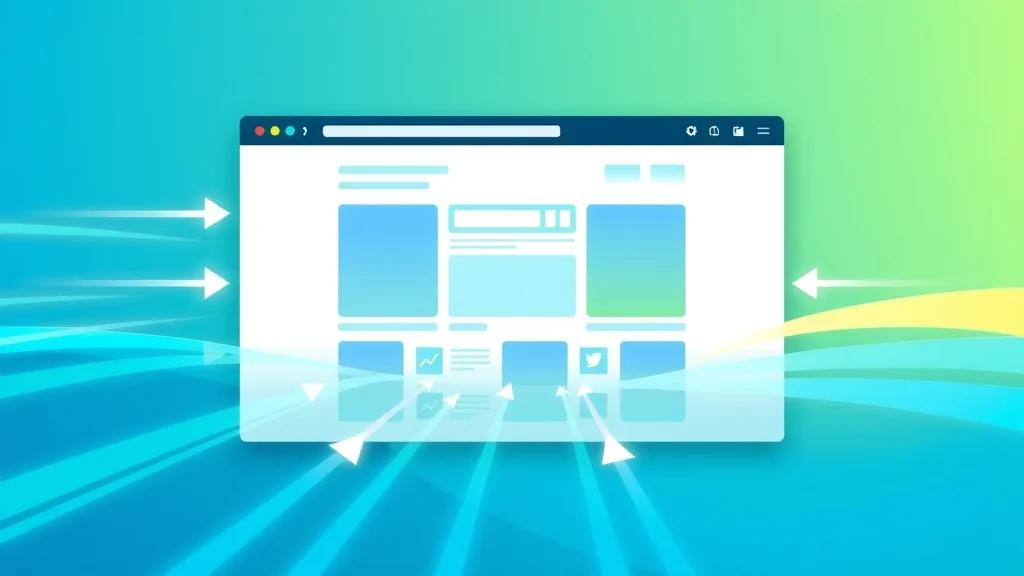
How Scrolling Websites Optimize User Flow
The most effective scrolling web sites are thoughtfully engineered to tap into human curiosity and momentum. They use color-coded sections, visual cues, and clear anchoring so users can orient themselves without feeling lost. Page design strategies such as parallax movement, subtle animations, or sticky navigation bars help break up information while keeping the flow uninterrupted. By structuring content as a narrative and building anticipation for each reveal, scrolling websites sustain attention from start to finish. Elements like animation, video, and infographics not only support key points but also increase time on site and user engagement.
Optimized user flow goes hand in hand with concise content and persuasive storytelling—a well-planned one-page website makes it effortless for users to progress from learning about your brand to inquiring or purchasing. The journey is logical, predictable, and rewarding, supporting both business objectives and meeting user expectations for frictionless website design.
Advantages and Disadvantages: Evaluating the Power of a One-Page Website
Pros and Cons of Single Page Scrolling Websites
The advantages and disadvantages of a single page scrolling website are important to weigh before committing to this strategy. On the plus side, these sites deliver a streamlined navigation experience, improving retention and making your messaging crystal clear. They also speed up load times because users aren’t redirected to new pages, and they fit the behavior trends of today’s mobile device users. However, SEO challenges can arise from limited keyword opportunities and constrained content structure. Complex businesses with broad services or lots of resources might find that multiple detailed pages better serve their target audience and search engine needs. The best approach is to align your website design and page site architecture with your unique brand, audience, and goals.
In practice, the single page model excels for landing pages, portfolios, and events—projects with focused goals and storytelling needs. Yet if your business model demands deeper navigation, extensive catalogs, or robust blog content, consider a hybrid or multipage approach. In all cases, responsive web design and strong on-page SEO will maximize your results.
| Advantages | Disadvantages |
|---|---|
| Improved mobile experience | SEO challenges with limited content depth |
| Simplified navigation and storytelling | Harder to target multiple keywords and audiences |
| Fast load times and reduced bounce rates | Complexity in tracking user interactions for analytics |
| Strong brand focus with seamless UX | Not suitable for large-scale or content-heavy websites |
- Improved mobile experience
- Simplified navigation
- SEO challenges with limited content
When to Choose a Scrolling Website Over a Multi-Page Approach
Choosing a scrolling website over a traditional multi-page structure makes the most sense when your content is concise and your primary goal is to funnel attention toward a specific action—such as making a purchase, submitting a form, or showcasing a creative project. Creative professionals, start-ups, agencies, and event organizers benefit immensely from the clarity and impact these layouts deliver. For campaigns with a single focus—be it launching a product or telling one story—a one-page website offers unmatched narrative control. However, for e-commerce shops with diverse products, blogs, or educational platforms, a multi-page site better organizes and optimizes complex information for both users and search engines.
Ultimately, your decision should align with your target audience’s expectations, your content depth, and your marketing objectives. Ask yourself: “Do I need users to make a quick decision or to explore numerous options?” The answer will steer your choice. The rise of scrolling web design proves that, for many businesses, less truly is more.

“For creative professionals and startups, a single page website offers both clarity and impact.” – Leading UX Strategist
SEO & Search Engine Insights: The Power of a One-Page Website in Rankings
Can Page Scrolling Websites Succeed in Search Engines?
A major question for any site owner is whether page scrolling websites can compete for visibility in search results. The answer is yes—when optimized correctly. While multi-page sites allow for keyword targeting across many URLs, a well-structured single page site can still rank highly for niche terms, branded queries, and focused offerings. Google increasingly values relevance and engagement metrics—so if your scrolling website captivates users and keeps them engaged, you’ll send positive signals to search engines. The key is tackling potential SEO challenges with smart sectioning, strong internal anchors, and relevant long-form content, all within that single, cohesive design. For many industries, this focus leads to better conversions, more backlinks, and brand authority—even on a single page.
However, multi-page sites can still have an advantage in targeting multiple, highly specific search intents. So, understanding your business goals and mapping your content to how your ideal customers search will help you leverage the true power of a one-page website in a scroll-driven world.
Meta Tags, Content Sections, and SEO on a Single Page Website
Since your entire website lives on one URL, meta tags (including the title tag, meta description, and meta keywords) are crucial for strong search engine signals. Craft a descriptive, keyword-rich headline that encapsulates your core offering and entice users with a meta description that effectively summarizes your value proposition. Use clear headings and define each content section with optimized subheaders—helping both visitors and search engines understand the flow. Embedding structured data and schema markup where possible can further enhance search presence.
Content sections should be organized logically and broken up with anchor links. Each section can focus on a different aspect of your offer or story, providing semantically rich content and improving chances to appear for relevant searches even within a single scroll. Finally, include optimized images with descriptive alt tags, ensuring accessibility and additional indexing opportunities.
How to Structure On-Page SEO for Scrolling Websites
On-page SEO for scrolling websites relies upon both technical and narrative coherence. Divide your page into identifiable sections—About, Services, Testimonials, Contact—and use clear anchor links for navigation. Incorporate primary and secondary keywords naturally in your headers and body text. Although you have only one meta title and meta description, you can diversify keyword intent within your sections. Remember to optimize load times, use compressed images, and minimize scripts for better SEO performance. Insert social sharing metadata and schema as needed for rich results. Finally, encourage linking to specific sections with hash-urls, so users and potential customers can share exact points of interest within your site.

- Proper use of meta tags
- Anchor links and section optimization
- Keyword integration for online presence
The User Experience (UX) Factor in One-Page Web Design
User Experience on a Scrolling Website
Great user experience is at the heart of effective scrolling website design. With a one-page website, visitors are greeted by a seamless flow of information—no jarring transitions or dead ends. The format encourages engagement; users instinctively scroll, discovering more with each section. When executed well, these sites feel natural, not forced, so users retain more content, experience less frustration, and ultimately perform the actions the website owner desires (such as contacting, purchasing, or sharing).
Page websites thrive on clarity—so prioritize legible fonts, ample white space, and intuitive progression between sections. Ensure that call-to-actions are visible and logical, and that navigation offers easy access to critical points even deep within a scroll. By catering to natural user behavior, single page websites elevate overall satisfaction and increase the likelihood of repeat visits.

Page Design Best Practices for Maximum Impact
The most engaging scrolling web experiences share a set of best practices. Use distinct, visually separated sections for organization. Employ sticky headers or floating anchor menus for effortless navigation throughout your content. Use photo and video, parallax effects, and animation with restraint to keep the layout visually rich but never overwhelming. Typography should be readable at all sizes—especially for mobile devices—and color schemes should reinforce your brand while maintaining a clean, inviting aesthetic.
Interactivity drives curiosity—embed elements like accordions, carousels, or reveal-on-scroll transitions. But always prioritize load time and performance: compress imagery, lazy-load assets, and avoid clutter. A truly effective one-page website always remembers that less is more—deliver impactful content, minimize distractions, and guide users toward your primary goals with confidence and style.
Creative Professionals: Leveraging the Power of a One-Page Website
For creative professionals—artists, photographers, freelance designers, consultants—the single page format is a golden opportunity to put your work front and center. A portfolio in a scrolling web design tells a story, inviting viewers to journey from inspiration to finished product in a visually captivating flow. These sites support striking visuals, concise bios, and integrated contact forms, all without making users leave the core experience. As a result, your talents, story, and unique value shine through, positioning you as a modern and approachable brand. With strategic page design choices, creative professionals can both showcase their versatility and drive inquiries effectively—proving that one-page website power is more than just a trend; it’s a lasting tool for professional success.
Case Studies: Businesses Excelling with Page Scrolling Websites
Examples of Successful One-Page Website Implementations
- Creative portfolios
- Start-up landing pages
- Event microsites
Numerous companies and creators are leveraging the power of a one-page website in a scroll-driven world to drive results. For instance, photographers or designers often employ scrolling web layouts to display their galleries, awards, testimonials, and contact info in a continuous visual narrative. Tech start-ups use compelling landing pages—optimized for both mobile devices and desktop—to introduce their app, share client stories, and solicit sign-ups, all within a few smooth scrolls. Events and conferences benefit from concise, single-page microsites: key details, speaker bios, and registrations are readily available, making for a fast, user-centered experience that drives action.
Lessons Learned from High-Converting Scrolling Websites
These case studies reveal three crucial principles: first, clarity matters—every section should serve a purpose and reinforce your core message. Second, speed is king—a fast load time keeps users engaged and decreases bounce rates. Finally, make the journey memorable—whether through creative page design, bold visuals, or interactive storytelling, the ultimate value of a page scrolling website is its ability to leave a lasting impression on users and convert them into loyal customers.
People Also Ask: The Power of a One-Page Website
What are the benefits of a single page website?
Single page websites offer streamlined navigation, fast loading times, and a focused user journey that improves user engagement and conversion rates. They are ideal for clear, concise messaging and mobile users.
What is the 3 second rule in website design?
The 3 second rule states that a user should understand the purpose and value of your website within the first three seconds of landing on the page, making concise single page websites highly effective.
Is it better to have a one page website or multiple pages?
The answer depends on your goals and content needs. One-page websites excel for simple, focused offerings while multi-page sites suit companies needing robust content and advanced features.
What is a 1 page website called?
A 1 page website is commonly known as a single page or one-page website, where all key information is presented within a continuous scrollable layout.
Key Takeaways: The Power of a One-Page Website in a Scroll-Driven World
- One-page websites deliver focused messaging and seamless UX
- Proper on-page SEO is crucial for search engine visibility
- Page scrolling websites excel on mobile and for storytelling
Frequently Asked Questions: One-Page and Scrolling Websites
- Can single page websites rank as well as multi-page sites?
- Are scrolling websites difficult to update?
- What industries benefit most from a one-page format?
Ready to Explore the Power of a One-Page Website?
Call Or Text Us At (508)344-5927 Or Email Us At steveferguson@stevefergusonsearchenginemarketing. com
If you’re inspired by the potential of a one-page website, consider how a holistic digital marketing approach can further elevate your brand’s visibility and reputation. By combining streamlined web design with robust review management and social media strategies, you can create a cohesive online presence that attracts, engages, and retains your ideal audience. Explore how integrating these advanced tactics can help your business stand out in today’s competitive landscape by visiting our social media marketing and review management resource. Take the next step toward a more powerful, unified digital strategy and unlock new opportunities for growth.



Write A Comment