Add Row
Add Element

Digital Dominance Journal


Steve Ferguson Search Engine Marketing

Add Element
  • Home
  • Categories
    • Content Marketing
    • Social Media
    • Reputation Marketing
    • Web Design
    • Blogging
    • Digital Marketing
    • Retargeting
    • News Sites
    • Review Management
    • Video Advertising
    • AI For Business
  • All Posts
  • Content Marketing
  • Social Media
  • Reputation Marketing
  • Web Design
  • Blogging
  • SEO
  • Digital Marketing
  • Retargeting
  • News Sites
  • Review Management
  • Video Advertising
  • AI For Business
March 16.2026
1 Minute Read

The Problem With Hidden Value on Traditional Websites

Did you know that 88% of users are less likely to return to a site after a bad user experience? Yet, for countless businesses, the biggest threat isn’t just outdated graphics or slow load times—it’s hidden value buried deep within their traditional websites. This hidden value could be superior service, unique products, or expert content that never sees the light of day, directly impacting your bottom line, search engine results, and business growth. Today, we’ll expose the challenges lurking in traditional web design, explore the real losses behind overlooked assets, and provide solutions that bring your site’s real-time potential into clear focus.

Uncovering the Problem With Hidden Value on Traditional Websites: Why It Matters

The problem with hidden value on traditional websites stretches far beyond simple aesthetic flaws. When critical content and business strengths are buried or overlooked, it damages your search engine rankings, your users’ trust, and your company’s conversion rates. For business owners and digital marketers alike, failing to recognize and address hidden issues in site design can stifle growth and undermine your market position—even when your offerings outperform the competition.

Imagine investing time and resources into business goals like content creation, technical upgrades, or social media outreach, only for your site’s most persuasive messages and selling points to get lost in outdated menus, content walls, or cluttered navigation. Such hidden value erodes user experience, clouds your digital presence, and directly impacts your bottom line. By surfacing valuable content and revamping your website design with usability in mind, you reveal those assets critical to business growth and online success.

As you evaluate your website for hidden value, it's also important to consider how your digital presence extends beyond your site. Leveraging strategic social media marketing can help amplify your most valuable content and ensure it reaches audiences who might otherwise miss it due to traditional web design limitations.

Digital marketing team uncovering hidden issues on traditional web design using heatmaps and site analytics, focusing on core value for better business results.

What You'll Learn About the Problem With Hidden Value on Traditional Websites

  • How hidden value affects traditional web and modern website design
  • Red flags and hidden issues in traditional websites
  • Impacts on user experience, digital marketing, and bottom line
  • Expert opinions and strategies to resolve hidden value problems

Defining Hidden Value in Traditional Web and Website Design

What Constitutes Hidden Value on Traditional Websites

Hidden value represents the essential elements—be it unique services, testimonials, calls to action, or expert resources—that fail to stand out due to outdated content, confusing site design, or poor content creation practices. When your site design doesn’t prioritize user experience, these assets become digital ghosts, visible only to the most persistent site visitors. Factors such as broken links, technical issues, or non-responsive layouts further contribute to making valuable information difficult to access, causing users to leave before discovering your unique selling proposition.

The term “hidden issues” often points to more than just invisible text or poor navigation; it covers everything from buried social media links to outdated navigation menus that hinder real-time interaction and conversion. If your site feels cluttered, unresponsive, or visually stagnant, you’re likely dealing with the effects of hidden value—resulting in missed business opportunities and stalled business growth.
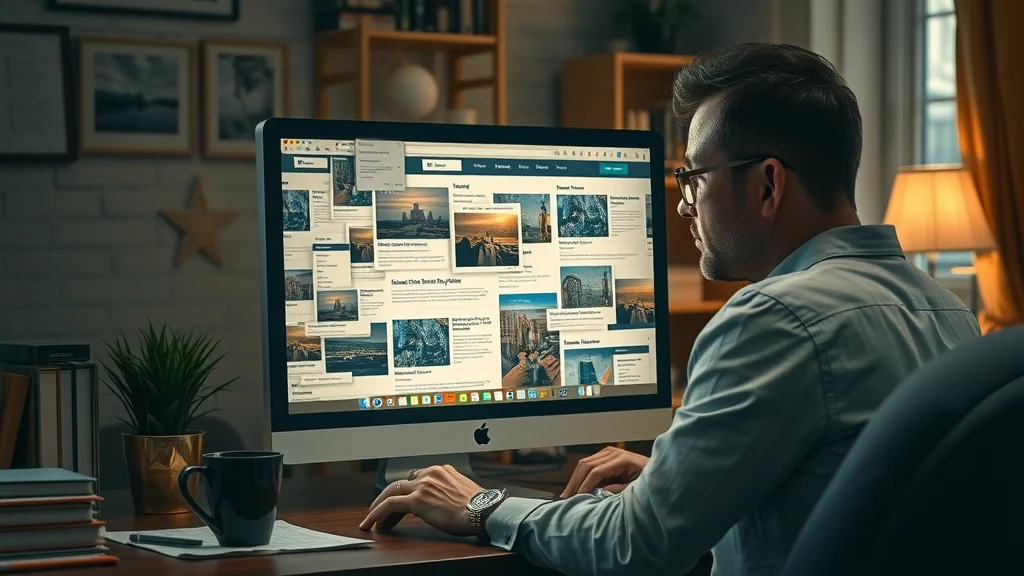
User puzzled by cluttered traditional web design, unable to locate key content due to hidden value and outdated site elements.

The Roots: Why Traditional Web Practices Hide Critical Content

Historically, traditional web practices evolved to prioritize aesthetics or technical limitations rather than clear communication of business goals. Websites built on older frameworks often lack flexible layouts, leading designers to stack content in ways that bury essential value below the fold or behind walls of irrelevant information. As business website needs changed—thanks to rapid advances in digital marketing, content creation, and performance optimization—those legacy choices became the source of ongoing maintenance headaches and declining conversion rates.

Broken links, lack of social media integration, outdated content, and non-adaptive site design keep valuable information out of sight for visitors. These hidden issues accumulate with each neglected update, making it increasingly difficult to align website design with modern user and business demands. Ignoring these root problems means repeating mistakes that impact search results, weaken digital presence, and hinder business operations over time.

The Problem With Hidden Value on Traditional Websites: User Experience and Usability Issues

Hidden Issues Impacting User Navigation and Satisfaction

At the core of website design is how effectively users can access what they seek. When navigation menus are confusing, calls to action are buried, or important products/services are hidden behind outdated information walls, visitors get frustrated. The site feel becomes overwhelming or underwhelming—either way, users quickly exit, raising bounce rates and lowering the chances of converting interest into action. This not only impacts the user experience but also business results—studies show slow or unclear navigation directly reduces conversion rates and undermines business goals.

Traditional web practices, often handed down from one design trend to another, can make site maintenance and performance optimization tricky. Outdated content and redundant pathways lead to hidden issues that even the most vigilant business owners or digital marketers can miss without regular audits. As a result, your website feels disconnected from modern expectations, and your audience misses the most compelling reasons to engage with your brand—causing a direct, negative effect on your bottom line.

Frustrated business user navigating outdated content and confusing site design, highlighting poor user experience on traditional websites.

Outdated Content and Its Role in Concealing Value

Outdated content is among the primary culprits behind hidden value. When your website hasn’t been updated to reflect your latest business operation, new offerings, or thought leadership, visitors are presented with stale or irrelevant information. This can quickly tank your site’s credibility. Not only does outdated content bury new value, but it also misguides search engines—dropping you further in engine rankings and decreasing your digital presence.

SEO efficacy relies heavily on fresh, relevant, and strategically positioned content. If crucial updates never reach the front lines of your website, you cede ground to competitors who consistently refine their site design. Broken links, old navigation menus, and irrelevant banners only add to the problem, making it nearly impossible to surface your business’s key strengths when and where it matters most. The connection between outdated information and lost conversion rates cannot be underestimated.

Outdated Website Elements Effect on Hidden Value Digital Marketing Impact
Old Navigation Menus Users can't find key information Lowered conversion
Poor Mobile Optimization Content not visible on phones Reduced reach
Irrelevant Content Walls Important info buried Decreased SEO efficacy

Case Studies: When Traditional Web Design Hides More Than It Reveals

Business Losses Due to Hidden Value in Site Design

Real-world site audits frequently uncover how old-fashioned navigation, non-intuitive layouts, or outdated content sabotage even the most innovative businesses. One case involved a thriving local business whose excellent services were outshone by competitors simply because their primary value proposition was hidden under layers of technical jargon and broken paths. Users left before discovering what made the business unique, and metrics reflected chronic underperformance in both social media engagement and conversion rates.

Another business website missed quarterly business goals, despite a new product launch, because critical information was lost behind content walls and irrelevant imagery. Even thought leadership articles—intended to elevate the company’s digital marketing and search engine rankings—languished in obscure blog sections, unseen by interested prospects. These examples reinforce the necessity of a site design that puts valuable content front and center, bridging the gap between what’s offered and what’s actually experienced by the user.

Business executives reviewing side-by-side website designs, highlighting losses due to hidden value and poor site design decisions.

Quotes From Digital Marketing Experts

"A website's worst enemy isn't its competition—it's its own hidden value that no one ever discovers." – Industry Thought Leader

The Digital Marketing Connection: Hidden Value and Online Visibility

SEO Consequences of Hidden Value on Traditional Websites

Hidden value doesn’t just frustrate human users; it also confuses search engine algorithms that determine your ranking in search results. Search engines analyze site structure, fresh content, and the visibility of key information. When your best content is buried under outdated navigation or inaccessible on mobile, your site’s relevance and credibility drop. This has a direct influence on engine rankings, further diminishing new traffic and, consequently, your business growth.

Moreover, broken links and technical issues can halt indexing by search bots, making it even less likely that your business website will reach its target audience. For companies striving to achieve business results through digital marketing, this is a critical problem that turns modern site design and ongoing maintenance into not just a technical issue, but a core business operation priority.

Modern digital marketer analyzing SEO dashboard to uncover hidden value and optimize search engine rankings for traditional web design.

How Digital Marketing Can Illuminate Hidden Value

Fortunately, modern digital marketing strategies can turn hidden weaknesses into competitive strengths. Regular site audits, targeted content creation, and refocused calls to action lift valuable assets into visibility. Additionally, partnering your website design—or a complete revamp—with a digital marketing expert helps align your business operations with ongoing maintenance best practices, ensuring ongoing performance optimization.

  • Effective on-page SEO for improved accessibility
  • Revamping outdated content and site design for visibility
  • Strategic use of calls-to-action in prominent locations

This synergy between web design and digital marketing not only fixes hidden issues but positions your business for ongoing growth in a dynamic online ecosystem.

People Also Ask: Website Red Flags and Hidden Content

What are common website red flags?

Common red flags signaling hidden value and usability problems include non-responsive design, outdated navigation menus, broken links, slow load times, inconsistent branding, no clear calls-to-action, and outdated information displayed prominently. When your website feels clunky or users struggle to find information, it’s a sign that your most important content may be buried where no one finds it. Continuous improvement, such as regular website audits and trend updates, is key to eliminating these red flags.

How to show hidden content on a website?

To surface hidden content, begin by auditing for outdated content, technical issues, and navigation challenges. Reorganize site architecture so key resources, calls-to-action, and unique value points are always above the fold and linked from top navigation. Tools like content management systems, usability heatmaps, and real-time analytics help reveal what users engage with less so you can make critical adjustments. Modern web design choices—like sticky menus, mobile optimization, and dynamic search—are essential for keeping important information visible and accessible.

Web developer redesigning outdated traditional web interface, focusing on surfacing hidden content and improving user navigation.

What are the disadvantages of confusing websites?

Confusing sites frustrate visitors, leading to high bounce rates and poor conversion rates. When navigation is unclear, content is outdated, or business goals are hidden, users become less likely to engage, trust, or revisit the site. This directly impacts business results by driving potential customers to competitors. Over time, confusing websites also undermine search engine rankings and market position by signaling low value or outdated web practices to both users and algorithms.

Why should you never ignore website revamping?

Ignoring website revamping means accepting ongoing maintenance and technical issues that can slowly erode your brand’s credibility, conversion rates, and digital presence. Website design evolves rapidly, and outdated practices prevent your business from keeping pace with consumer expectations and search results trends. Regular updates, content audits, and intelligent site design keep your operation competitive, relevant, and aligned with both business results and growth objectives.

Modern Site Design Solutions: Addressing the Problem With Hidden Value

Best Practices for Revealing Hidden Value on Traditional Websites

  • Simplify navigation to surface essential information
  • Audit outdated content regularly
  • Integrate dynamic search functions so users can find value instantly
  • Elevate key value points above the fold for immediate visibility

Incorporating these best practices ensures your site design brings core business goals and value to the forefront. Whether you’re running performance optimization, building social media buzz, or targeting specific search results, making value visible directly correlates to higher conversion rates and improved business operation results. Prioritizing ongoing maintenance, responsive content creation, and accessibility turns your once-outdated traditional web framework into a modern business engine.

Website Design Tools and Auditing Techniques

Leveraging advanced website design tools empowers business owners to expose and address hidden issues. Site audit solutions offer real-time reports on technical issues, broken links, content relevance, and usability—all vital for staying competitive. Techniques like heatmap analysis and A/B testing provide valuable insights into how users interact with your digital presence, guiding data-driven changes for better business results.

Modern content management systems simplify content updates, ensuring your audience always receives the most current and compelling information. By combining site design tools with periodic expert audits, business owners can efficiently unlock hidden value while optimizing for user experience, search engine rankings, and ongoing growth. The investment in auditing and contemporary web design pays dividends in improved performance, conversion rates, and sustained digital marketing traction.

Confident digital professional analyzing website audit results, using advanced tools to reveal hidden value and optimize site design.

FAQs About the Problem With Hidden Value on Traditional Websites

What is the biggest hidden issue in traditional web design?

The most significant hidden issue is the misplacement or obscurity of critical content—your best features, products, or unique value points. These remain unseen due to outdated layouts, confusing menus, or excessive focus on aesthetics over user experience. As a result, your site underperforms in both conversion rates and search engine rankings, and your business loses opportunities for growth and digital presence.

Are traditional websites less effective for modern digital marketing?

Yes, traditional websites that don’t align with current best practices in web design, content creation, and SEO are markedly less effective for modern digital marketing. Without regular upkeep, integration of real-time social media feeds, and focus on clear calls-to-action, these sites struggle to compete in competitive search results and suffer from poor engagement, limiting their impact on business operations and results.

How often should a website audit for hidden value be performed?

Industry experts recommend performing a comprehensive website audit at least annually, though high-impact or fast-changing businesses benefit from quarterly or even monthly checkups. Regular audits are vital for addressing outdated content, hidden issues, and technical problems in real time. This ensures ongoing alignment with business goals, maximizes user experience, and protects your market position.

Professional conducting detailed website audit checklist on a tablet to identify hidden value and improve site design for business growth.

Key Takeaways on the Problem With Hidden Value on Traditional Websites

  • Hidden value is a pervasive issue undermining traditional web effectiveness
  • Modern website design and audits are essential for revealing value
  • Digital marketing synergy exposes and promotes core site strengths
  • Continuous improvement drives conversions and enhances the bottom line

Watch an expert-led website audit walkthrough and see firsthand how to identify hidden value sections and critical web design improvements. This insightful video alternates between screen capture of actual audit processes and lively expert discussion, making technical tips accessible and actionable for every business owner eager to elevate their digital presence.

Conclusion: Transforming Traditional Websites by Addressing Hidden Value

Tackling the problem with hidden value on traditional websites is not just an upgrade—it’s a transformation. Reveal what makes your business unique, connect with your audience, and boost your bottom line with proactive site design and strategic digital marketing.

If you’re ready to take your digital presence to the next level, consider how a holistic approach to online visibility can further amplify your results. Beyond uncovering hidden value on your website, integrating robust review management and reputation strategies can strengthen trust and drive engagement across all digital channels. Explore how comprehensive solutions from Steve Ferguson Search Engine Marketing can help you build a standout brand and achieve lasting growth in today’s competitive landscape.

Ready to Uncover Hidden Value?

Call Or Text Us At (508)344-5927 Or Email Us At steveferguson@stevefergusonsearchenginemarketing. com to schedule your website audit and discover untapped business potential today.

Web Design

12 Views

0 Comments

Write A Comment

*
*
Please complete the captcha to submit your comment.
Related Posts All Posts
03.15.2026

A Website Should Feel Like a Sales Conversation

Introduction: Why A Website Should Feel Like A Sales Conversation Imagine landing on a business website that talks to you—not at you. Instantly, you feel understood. It's like a great sales pro greeting you with a warm handshake, keen to solve your problem, not just push a pitch. Too often, web design misses this mark. Many business websites act like silent billboards, offering generic info without interaction. It's easy to overlook the human side of digital branding, but web design done right should mirror the natural, intuitive flow of a sales conversation where listening, empathy, and direction guide you toward a solution. That’s why the mindset shift from static pages to engagement-driven design isn’t just a trend—it’s a necessity. A sales conversation approach transforms casual browsers into loyal clients and makes your business website your greatest digital sales pro. What You'll Learn From This Guide Why a website should feel like a sales conversation Core web design principles for the digital sales pro How business owners and small businesses can leverage sales process strategies online Real-life examples and actionable checklists Defining A Website That Feels Like A Sales Conversation What Does It Mean For A Website To Be Like A Sales Conversation? Static websites deliver content without response. In contrast, dynamic, conversion-driven sites engage visitors like a seasoned sales pro—listening, responding, and leading them toward a decision. The difference lies in the user experience: instead of being a one-way street, the conversation is interactive and personalized to a potential customer’s needs. Web design isn’t just about looks; it influences how people interact with your business website and move through your sales process. Features that prompt questions, offer guidance, and respond dynamically mimic how a good sales call flows—building rapport, trust, and interest. The sales pro mentality in digital experiences means anticipating objections, delivering the right information at the right time, and making the user feel like their needs are heard. This approach recognizes that a business website isn’t just an online storefront—it’s where many “sales calls” begin and end. "Your website should be your best salesperson—available 24/7.” Understanding Sales Process Principles In Web Design Applying The Sales Process To Web Design Every great salesperson follows a proven process: greeting, identifying needs, presenting solutions, handling objections, and closing. The same structure brings clarity to web design. Your website’s home page greets visitors, service pages present tailored solutions, and CTAs serve as closers to move forward. Bridging the gap between classic sales pro techniques and effective web design is about mirroring these steps online. Use conversational copy and interactive elements to guide the user journey, answering questions before they need to be asked, and making it easy for visitors to feel like valued clients from their first click. Integrating these sales-driven strategies into your website can be further amplified by leveraging digital channels that foster ongoing engagement. For example, incorporating social media marketing techniques can help extend your conversational approach beyond your website, allowing you to nurture leads and build relationships across multiple touchpoints. Business Owners: Why You Need Sales-Focused Websites Studies show that sales-oriented websites enjoy significantly higher conversion rates. For example, a small business using conversational design increased online bookings by 30%—simply by embedding live chat and personalizing recommendations based on user behavior. Case Study: A boutique fitness studio revamped their business site, mapping each stage of the sales process to website pages and touchpoints. They replaced generic info dumps with tailored user flows and saw a dramatic boost in trial sign-ups and long-term memberships, underscoring the difference that sales process thinking can make for small businesses and business owners alike. The Key Elements That Make A Website Feel Like A Sales Conversation Classic Web Design Sales Conversation Web Design Static text and generic images Personalized greetings, dynamic content, real-time chat One-size-fits-all service pages Tailored recommendations and user-driven journeys Contact forms hidden in the footer Visible, actionable CTAs throughout the journey Lack of feedback or interaction Active feedback loops, surveys, and instant support Small Business And The Human Touch Online For small businesses, human presence is key. Incorporate customer photos, founder stories, and authentic testimonials to foster trust. Adding live video intros or friendly messaging widgets makes a business website feel more like a friendly chat than a silent brochure. Sales pros know the value of personalization: use smart recommendations, greet returning visitors by name, and tailor offers based on user history to set your site apart from cookie-cutter page builders. This creates a feeling of connection, transforming static visits into engaging, memorable experiences. Web Design Tactics Derived From Proven Sales Pro Methods Build trust and rapport by addressing common objections in your FAQ, offering clear pricing, and using approachable language—just like a good sales call. Encourage two-way communication with chatbots or contact forms that respond instantly—mirroring a real sales conversation, not just leaving your visitor hanging. Make every call-to-action unmistakable. Prompt visitors to schedule consultations, start a chat, or request quotes, so they always know the next step to move forward—reducing friction and boosting conversions. How To Map Your Sales Process Onto Your Website Step-By-Step Instructions For Business Owners Identify your sales process stages. Outline your typical sales journey—Awareness (homepage), Interest (solutions page), Consideration (service page), Action (contact or booking page). Map user journey to website navigation. Structure your website so each menu item and page mirrors a step in your process. Make it easy for the user to start talking or request information at each point. Optimize touchpoints for engagement. Add CTAs, chat features, and testimonials where users might need reassurance. Use analytics to adjust pathways for improving long-term engagement and conversions. List: Essential Web Design Features To Support a Sales Conversation Chatbots and live chat for real-time visitor support Dynamic recommendations that guide towards relevant solutions Personalized offers based on user behavior or interests Contact forms that are simple, easy, and visible on every key page People Also Ask: What Are The 7 C’s Of A Website? The 7 C’s Of A Website Explained Clarity – Clear navigation and messaging that guides users easily. Credibility – Trust signals like testimonials, case studies, and certifications. Content – Relevant, well-organized, and persuasive information. Consistency – Unified branding, style, and tone across the site. Connectivity – Integrated social and communication channels for ongoing engagement. Convenience – Seamless, fast access to information and support. Customization – Personalized experiences that address unique user needs. How The 7 C's Relate To The Sales Conversation Online Each “C” supports a stage in the sales process: Clarity greets visitors, Credibility reassures them, Content informs, Consistency builds trust over time, Connectivity fosters relationships, Convenience speeds up decisions, and Customization ensures every potential customer feels heard. When your web design combines all 7 C’s, your site acts like a great salesperson—attentive, adaptable, and always working to close the deal. People Also Ask: What Is The 2 2 2 Rule In Sales? Defining The 2 2 2 Rule The 2 2 2 rule suggests making contact twice on Monday, twice on Wednesday, and twice on Friday—ensuring consistent engagement with prospects. It’s a classic sales process tip for keeping potential customers moving forward in the funnel. Translated into web design, use automated messages, nurture email journeys, and dynamic on-site prompts that mimic regular, helpful follow-ups—so visitors never feel forgotten and your business website helps you build long-term relationships automatically. People Also Ask: What Are The 5 F’s In Sales? Breaking Down The 5 F's Find Focus Foster Follow-Up Finalize Leveraging The 5 F’s Framework In Website Design Online, “Find” means attracting the right audience with targeted SEO and clear branding. “Focus” streamlines user pathways, reducing distractions so visitors move purposefully. “Foster” uses personalization and content to build relationships. “Follow-Up” translates to automated emails or chat follow-ups, and “Finalize” means having transparent pricing, easy checkouts, and visible CTAs that help visitors make a decision without doubt. People Also Ask: What Is The 70/30 Rule In Sales? Explaining The 70/30 Rule The 70/30 rule says a great salesperson should listen 70% of the time and talk just 30%. For web design, this means gathering user feedback, tracking behavior, and adjusting content to user needs—rather than pushing the hard sell and dominating the page. This mix is extremely effective because it feels less intrusive, encourages trust, and makes users feel like you understand their point of view, creating a good conversation that leads to more conversions long term. Adapting The 70/30 Rule For Web Design Apply the 70/30 rule by building in feedback loops, smart surveys, user reviews, and interactive FAQs. Give your audience plenty of opportunity to “talk,” then use their feedback for continuous improvement, much like a sales pro would adjust their approach based on a potential customer’s responses. Integrating Sales Pro Skills With Modern Web Design The Role Of The Sales Pro In Website Planning For business owners and their marketing teams, collaborating between the sales pro and web design team results in a business website that speaks the language of your ideal client. A sales-driven web redesign checklist should include mapping the sales conversation, identifying every user touchpoint, and testing messaging for clarity and impact. Building websites with a sales pro mindset creates connections, drives conversions, and helps small businesses stand out in a crowded digital world. Remember, the best web design is rooted in human psychology—not just pixels and code. Case Study Walkthrough: From Visitor To Client This case study demonstrates the impact of shifting from static, info-heavy designs to a dynamic, conversation-driven approach. Watch as a visitor starts as a casual browser, experiences personalized engagement through dynamic recommendations, and ends up booking a call—becoming a long-term client thanks to a sales process mapped directly onto the business website. Sales Professionals Share Their Secrets Short video clips of expert sales pros reveal their best strategies for guiding design teams and business owners. Insights include scripting for live chats, using feedback analytics, and why great sales start with empathy and end with clear action steps for website visitors. Common Mistakes: When A Website Doesn’t Feel Like A Sales Conversation Ignoring user journey mapping and not providing a starting point for visitors. Lack of personalization, making the site feel generic and uninspiring. No clear calls-to-action, leaving potential customers unsure how to move forward. Overly technical language that confuses rather than connects, forgetting the value of simple, approachable conversation. "Treat every visitor like a valued client—even before they buy." List: Questions Business Owners Should Ask Their Web Designer How will this site guide visitors through a sales process? What tools will support engagement and conversion? How will you measure sales conversation effectiveness? FAQs: Making Your Website A True Digital Sales Pro How do I know if my website is selling well? Track conversion rates, session durations, and leads generated. Use heat maps and analytics to see if users complete desired actions. If visitors spend a lot of time bouncing around, it may be time for a redesign. What is the most important element for conversions? A clear, compelling call-to-action that’s visible throughout each critical sales process stage. Clarity and ease of action are key for moving users forward. Can I apply sales process strategies to an e-commerce site? Absolutely! Use conversational flows, personalized product recommendations, and live chat to mimic the in-store sales pro experience and boost cart completions. What analytics should business owners track? Focus on lead generation, click-through rates, form completions, and sales funnel drop-off points—these reveal where the conversation falls flat and where improvements can make a difference. Recap & Key Takeaways: A Website Should Feel Like A Sales Conversation Every successful business website puts the user at the center, offering a conversation—not a lecture. Sales process thinking benefits web design for business owners and small businesses, setting you apart from page builders and cookie-cutter templates. Websites optimized for conversation and connection convert more visitors into long-term, loyal clients. Your Next Step: Transform Your Website Into A Sales Pro "Your ideal website is just one conversation away." Audit your current site using the checklists provided above. Consult with web design and sales process specialists who understand small business challenges. Contact us for a tailored sales-focused web redesign that will position your site as your top-performing digital sales pro. As you continue to refine your website into a true digital sales pro, consider how your online reputation and customer engagement strategies work together to drive growth. Exploring advanced approaches like integrated review management and social media marketing can help you build trust, amplify word-of-mouth, and create a seamless experience from first impression to loyal customer. By aligning your web design with broader digital marketing efforts, you’ll unlock new opportunities to connect, convert, and thrive in today’s competitive landscape. Contact Us Call or Text us at (508)344-5927 or Email us at steveferguson@stevefergusonsearchenginemarketing.com

03.14.2026

Why Most Websites Look Fine But Don’t Perform

Ever wondered why your business website, despite its sleek design and good looks, isn’t driving the sales or leads you expect? Does a visually stunning homepage really mean your site will succeed in the competitive digital age? Why most websites look fine but don’t perform is a challenge facing countless business owners today. Let’s dive in and uncover why surface-level appeal isn’t enough—and what really powers online results. Captivating Question: Do Good Looks Really Mean Great Performance for Your Business Website? Many business owners believe that hiring a designer to make their website look attractive will automatically translate into a steady flow of leads, sales, and customer engagement. But do good looks guarantee great performance? In reality, a business website’s impact is determined by much more than just its aesthetic. The digital age has made it easy for anyone to create a site that feels modern and polished, but only those who understand deeper fundamentals—like loading time, mobile experience, SEO practices, quality content, and trust signals—see real business growth. If your site has excellent visuals but a high bounce rate, slow load times, or weak SEO, it may struggle to convert visitors into loyal customers, no matter how pretty it appears on the surface. This article will break down why most websites look fine but don’t perform, what’s holding your business website back, and how you can use proven, actionable strategies to transform superficial appeal into substantial results. Whether you’re a business owner wondering about digital marketing ROI, or a local business competing for attention, you’ll gain practical insights to help your site stand out and succeed beyond the first impression. While optimizing your website for performance is crucial, integrating effective social media marketing can further amplify your reach and engagement. For actionable tips on leveraging platforms like Facebook and Instagram to support your business website, explore this comprehensive guide to social media marketing strategies. What You’ll Learn About Why Most Websites Look Fine But Don’t Perform Key insights on web design and business website effectiveness Real reasons behind lackluster performance despite appealing visuals Practical strategies to boost your site’s impact using trust signals, quality content, and SEO practices Understanding Why Most Websites Look Fine But Don’t Perform The Psychology Behind Attractive Web Design and User Experience At first glance, a beautifully designed website makes a strong impression—it tells visitors that your business is professional and trustworthy. Numerous studies show that users form opinions about a website within the first few seconds based on visual appeal, intuitive layout, and branding. This initial emotional response is critical, often determining whether a visitor explores further or bounces away. However, if the site feels attractive but is missing deeper elements—like functional navigation, responsive design, or contextually relevant content—initial excitement wanes. The real secret to website performance goes beyond looks; it delves into user experience, including how easy it is to find information, complete a purchase, or contact your business. In the digital age, great design is essential to draw people in, but it's the underlying structure and content quality that keep users engaged and coming back. Effective web design harmonizes colors, images, and layout to guide the user journey seamlessly. While a polished appearance builds immediate credibility, the site must also answer visitor questions quickly, offer clear calls to action, and load instantly. That’s the moment when user experience starts to impact real business outcomes. A site that feels slow or cluttered, even if visually stunning, can drive away potential leads faster than you’d expect. Why a Business Website Needs More Than Just Aesthetics While a modern website design can capture attention, business website success hinges on something deeper: how effectively the site supports your business goals. Too many sites focus only on aesthetics and ignore the critical aspects of SEO practices, trust signals, mobile usability, and persuasive quality content. If your site looks great but lacks informative content, strong trust signals like customer reviews or secure checkout badges, or is burdened by slow loading time, visitors are far less likely to engage or convert. Business owners must prioritize function over form, ensuring their website does the heavy lifting when it comes to educating, convincing, and converting users. Remember, a flashy homepage can’t make up for broken links, a poor mobile experience, or confusing navigation. The real value of a business website lies in its ability to deliver quality content clearly, establish credibility, and create a smooth path to action. Without this foundation, even the most eye-catching design will ultimately underperform, as visitors leave feeling unsatisfied or unsure about next steps. By combining strong web design principles with user-centered features and trustworthy signals, you create a site that looks good—and genuinely works for your business. Surface-Level Appeal vs. Substantial Conversion: Why Most Websites Look Fine But Don’t Perform How Web Design Choices Influence Perception But Not Action Web design decisions—like bold imagery, color palettes, or minimalism—set the tone for your business site. But these elements primarily influence a user’s perception, not their decision-making process. If your site feels professional but fails to provide immediate value or lacks clear navigation, visitors will leave before taking meaningful action. Bounce rate spikes when users encounter beautifully designed pages that are slow, confusing, or irrelevant to their search intent. The truth is, visitors will judge the site within three seconds, typically making their exit if they don’t find what they need. So while web design can impress, it’s the quality content, clear calls to action, and strategic layout that ultimately drive user engagement and conversion. Many business owners fall into the trap of overinvesting in fancy animations or trendy web elements while neglecting speed, usability, and content. The result is a site that looks great on a designer’s portfolio but fails to capture leads or sales in the real world. A high-performing business website balances aesthetics with conversion-centered structure—offering intuitive navigation, relevant information, and trust-building touches right where users expect them. The Role of Quality Content in Driving Results No matter how stunning your site feels, it is quality content that truly earns trust and drives results. High-value, relevant content provides clear answers to users’ questions, showcases your unique expertise, and helps search engines understand what your business offers. Unlike visual fluff, content can address pain points, demonstrate solutions, and foster a sense of credibility. Effective copy—paired with engaging images and video—guides users along a journey from initial interest to action. This is why blogs, case studies, reviews, and detailed product or service pages are critical to any website’s success. Well-organized content also boosts your SEO and helps search engines like Google deliver your site to more relevant users. Using alt tags on images packages visual content for accessibility and searchability, while regular updates signal to search engines that your business website is active and trustworthy. In the end, investing in quality content delivers ongoing ROI, pushing your site beyond the visual and into the territory of lasting impact and customer conversion. Trust Signals: Building Confidence Beyond Visuals Even the best-designed sites fail if visitors don’t trust the business behind them. Trust signals—such as secure HTTPS, testimonials, privacy policies, industry certifications, and recognizable payment logos—quietly reassure users that a business website is legitimate. These features are subtle but powerful, nudging visitors to stay, browse, and eventually convert. On the flip side, missing contact info, broken links, and a lack of guarantees signal danger, increasing bounce rate and damaging reputation. Today’s digital marketing landscape demands credibility at every turn. Adding trust signals to product and checkout pages, incorporating user reviews, and maintaining active social media profiles all layer up to form a security net for your audience. Search engines also favor sites backed by trustworthy features and clear, consistent messaging. If you want users to act—whether it’s submitting a form or making a purchase—trust must flow from every page, not just the design. Critical Performance Factors That Outweigh Appearance In Why Most Websites Look Fine But Don’t Perform Loading Time and the 3 Second Rule in Website Design Research shows that if your website takes longer than three seconds to load, you’ll lose most of your visitors before they even see your content. This “3 second rule” has become a benchmark in web development and digital marketing. While your site may look impressive once it loads, slow load times kill conversions, boost bounce rates, and damage your brand’s perceived reliability. Factors like unoptimized images, bloated code, and third-party scripts often drag down loading time. This can frustrate potential leads and send them straight to a faster competitor—no matter how good your web design may be. To combat this, businesses must continually test and refine their website’s speed using tools like Google’s PageSpeed Insights and Webmaster Tools. Reducing file sizes, leveraging caching, and regularly checking for broken links keep load times tight and user patience intact. Remember, even minor delays can impact your search engine ranking and bottom line. Prioritizing fast performance is not just a technical detail—it’s fundamental to making your site perform as well as it looks. Mobile Experience: Poor Mobile Can Ruin A Good Business Website More than half of all web traffic now comes from mobile users. If a business website fails to provide a seamless mobile experience, it instantly alienates a vast portion of its audience. Common issues include menus that don’t scale, buttons too small to tap, images that don’t resize, and slow mobile load times. Users on mobile devices expect quick, smooth, and intuitive navigation. A poor mobile experience can render even the most beautiful desktop site useless—leading to lost sales and eroding trust. Search engines now use mobile-first indexing, which means your rankings depend heavily on how well your site operates on smartphones and tablets. To perform, your business website must be fully responsive, with layouts that automatically adjust to different screen sizes and resolutions. Mobile optimization improves both usability and conversion rates. Regular mobile audits, accessible contact buttons, and streamlined functionality are now non-negotiable for true performance. If your site isn’t mobile-ready, no amount of desktop beauty can compensate for the customers you’ll lose. How User Experience Outshines Surface Design Outstanding user experience (UX) bridges the gap between an attractive layout and meaningful results. UX is all about how users interact with your site—whether they find the answers they seek, navigate easily, and feel confident in taking the next step. Even a stunning website can frustrate users if navigation is unclear, important information is buried, or forms are cumbersome. The best-performing websites are intuitive, straightforward, and adaptable to users’ needs in real time. Investing in user experience means thinking like your customer. That means mapping out simple navigation paths, creating clear calls to action, and ensuring accessibility for everyone—including those using screen readers or assistive technologies. Remember, a site feels easy to use when design supports function—leading to longer visits, greater engagement, and ultimately, higher conversions. In contrast, beautiful-but-baffling designs repel users and boost bounce rate, regardless of initial visual impression. SEO Practices and Digital Marketing Integration For your business website to actually perform, it must be found by users in the first place. That’s where strong SEO practices and digital marketing integration come into play. Optimizing for search engines involves much more than adding keywords; it requires quality content, descriptive alt tags, fast load times, and a logical site structure. A pretty page won’t earn search traffic if it lacks the technical and editorial backbone needed for Google’s algorithms. Similarly, social media and digital marketing campaigns can draw audiences to your site, but only a solid onsite strategy will convert them into customers. Consistent SEO practices—like updating title tags, fixing broken links, organizing information, and addressing both technical and on-page elements—build authority and relevance over time. Coordinating your business website with digital marketing efforts on social media, ads, and email extends reach and strengthens your overall impact. The synergy between on-site SEO and external marketing channels ensures all your beautiful web design work pays off in leads, not just likes. Trust Signals: The Silent Force In Why Most Websites Look Fine But Don’t Perform What Are Trust Signals, and Why Do They Matter? Trust signals are small but mighty indicators that tell visitors they’re safe, welcome, and dealing with a professional operation. Examples include SSL certificates (the “https” padlock), privacy policies, testimonials, major credit card logos, recognizable industry awards, and links to active social media accounts. These are especially important on a business website, where visitors are often deciding whether to hand over personal data or make a purchase. In the absence of clear trust signals, even the slickest design will struggle to convert skeptical or cautious users. The most successful websites layer trust signals throughout the user journey—from the homepage to checkout—building confidence and lowering resistance to conversion. Search engines, too, favor sites with visible trust elements and clean, consistent branding. In the end, no matter how a site feels visually, these underlying signals make all the difference between a one-time visitor and a loyal customer. Three Signs That a Website Might Be Unsafe No HTTPS padlock or visible security credentials in the browser Missing or fake contact information, privacy policies, or company background Frequent broken links, pop-ups, or requests for sensitive information without clear justification These red flags instantly erode trust and can cause even the best-looking websites to lose visitors—and eventually, their reputation in search engine results. “A website’s impact isn’t just in how it looks—its performance is truly measured by how well it converts visitors into customers.” Business Website Essentials: Integrating Quality Content and Social Media Why Quality Content Remains Key Beautiful web design may catch the eye, but quality content wins over minds and wallets. Well-written, informative, and genuinely helpful content answers user questions, tells your story, and sets your business apart from competitors. Search engines prioritize websites that offer actionable value and detailed information, making content creation not just a marketing tactic but a performance necessity. This is where including descriptive alt tags for images, regular blog updates, and user-focused copy transform a static site into a living, breathing asset for your brand. Creating valuable content also means using relevant keywords, answering customer questions, and using multimedia—like images, videos, and infographics—for deeper engagement. Your content strategy should be constantly evolving to address emerging questions and trends, ensuring your business website doesn’t go stale and remains a top competitor in both search engine results and customer trust. Leveraging Social Media For Business Website Performance Integrating social media with your business website enhances both credibility and reach. Active social media profiles serve as additional trust signals, showing real customer interaction, recent activity, and evidence of a thriving operation. Sharing quality content from your website on platforms like Facebook, LinkedIn, or Instagram not only drives targeted traffic but also improves your site’s relevance and authority in the eyes of search engines. Social media integration allows users to share, comment, and endorse your brand, adding authentic social proof that can tip undecided visitors into becoming customers. Ensure social links are visible, up-to-date, and support your often-updated website content. A business website paired with strong social media channels amplifies visibility and compounds the effects of good SEO and consistent trust-building efforts. Why Most Websites Look Fine But Don’t Perform—Common Mistakes and Quick Fixes Top reasons for underperformance: loading time, poor mobile, lack of trust signals, weak SEO practices Quick fixes to enhance your business website’s results Addressing the reasons why most websites look fine but don’t perform starts with identifying and fixing the most common culprits. Slow loading time is often the quickly solvable issue—optimize images, compress code, and remove unnecessary plugins. For poor mobile experience, implement responsive frameworks and regularly test your site on multiple devices. If trust signals are missing, add testimonials, visual guarantees, and contact details front and center. Finally, revisit your SEO practices, update meta descriptions and heading structures, and ensure all pages have working links, especially important info like contact and service pages. Even simple improvements—like compressing images, adding alt tags, or updating broken links—can have an instant impact. Consistently review analytics, set up regular content updates, and stay active on social media to keep your business website top of mind for users and search engines alike. The 7 C’s of a Website and Why Most Sites Fail to Meet Them 7 C’s Impact on Performance Common Failures Context Sets the tone, informs visitors of purpose Ambiguous site purpose, unclear messaging Content Educates, persuades, and enhances SEO Thin, outdated, or irrelevant information Community Engagement through reviews, forums Lack of interaction or social proof Customization Personalizes experience for return users One-size-fits-all design, no personalization Communication Enables queries via forms, chat, contact info Missing forms, slow response, or invisible contacts Connection Links to social media and business networks Missing or broken social links Commerce Streamlines buying and payment process Complicated checkout, lack of payment options Why Don’t Some Websites Display Correctly? Understanding Technical Gaps Common Technical Reasons for Display Failures Typical errors: browser incompatibility, outdated frameworks, poor responsive design Despite their good looks, many websites break or display incorrectly due to overlooked technical details. Common factors include outdated frameworks that no longer support modern browsers, poor responsive design that causes content to overflow or crumple on smaller screens, and scripts that don’t work cross-platform. Broken links, missing images, incorrect alt tags, and sloppy updates further undermine the experience. Regular use of tools like Webmaster Tools, Search Console, and device emulators can flag these issues before your visitors encounter them. Ultimately, no amount of design flair can make up for technical failures that frustrate visitors and damage your business website’s credibility and SEO. Proactively testing your site in different browsers, optimizing all code, and ensuring that navigation, forms, and media scale gracefully on every device are key steps every webmaster—or business owner—should take to avoid the dreaded “broken site” scenario, which can tank conversion rates and erode trust overnight. Watch the explainer above to see real-world examples contrasting attractive but underperforming sites with high-converting, well-optimized business websites. Insights into conversion rates, load times, trust signals, and responsive design reveal what separates online winners from digital underdogs. Discover actionable strategies and professional tips to take your business website beyond the basics. Learn from industry leaders about integrating SEO, content, and trust signals for measurable impact. Frequently Asked Questions: Why Most Websites Look Fine But Don’t Perform What is the 3 second rule in website design? The 3 second rule suggests visitors decide whether to stay or leave your site within three seconds of arrival. If your loading time is slow, or the site feels confusing or irrelevant, most users will exit before seeing your message. Fast, intuitive, and clear websites perform best. What are the three signs that a website might be unsafe? Warning signs include missing HTTPS/security padlock, lack of credible contact info or privacy policy, and frequent broken links or suspicious popups. These erode user trust even if the website looks fine. What are the 7 C's of a website? The 7 C’s are Context, Content, Community, Customization, Communication, Connection, and Commerce. Each plays a unique role in performance, as seen in the table above—most sites fail when any are neglected. Why don't some websites display correctly? Technical problems like outdated frameworks, browser incompatibility, and poor responsive design can break sites. Regular testing and modern coding practices are essential to keep your business website performing as it should. Key Takeaways: What You Need To Remember About Why Most Websites Look Fine But Don’t Perform Visuals draw users in—but performance keeps them Speed, trust, content, and user experience matter most Consistent updates, solid SEO practices, and mobile optimization are non-negotiable Ready to Make Your Business Website Outperform? Call Or Text Us At (508)344-5927 Or Email Us At steveferguson@stevefergusonsearchenginemarketing.com Your business website’s long-term success depends on performance, not just appearance. Focus on speed, mobile, trust, and actionable content—and start converting visitors today. If you’re ready to take your digital presence to the next level, consider how a holistic approach—combining website optimization with robust social media marketing—can drive even greater results. By aligning your site’s performance with a strategic online reputation and engagement plan, you’ll not only attract more visitors but also build lasting trust and authority in your market. Discover how review management and social proof can further enhance your business’s credibility by visiting our review management and social media marketing resource. Elevate your strategy and unlock the full potential of your online brand.

03.13.2026

The Power of Guiding Visitors Instead of Letting Them Wander

Have you ever wondered if visitors are truly experiencing the heart of your destination, or are they just wandering and missing its essence? In the era of independent exploration, it’s tempting to believe that the best travel memories spring from unplanned wandering. But what does it really mean for a journey’s depth, enjoyment, and value? This article unpacks the power of guiding visitors instead of letting them wander—and why, now more than ever, strategic guidance is the key to unlocking transformative travel experiences, forging connections, and ensuring your destination isn’t just seen, but truly felt. Are Visitors Truly Experiencing Your Destination, or Are They Just Wandering? Exploring the Power of Guiding Visitors Modern travel offers endless ways for tourists to navigate new places. Yet, seasoned travelers and industry experts often note an important gap: while independent exploration has its merits, without the power of guiding visitors instead of letting them wander, many miss stories, context, and emotional resonance integral to a meaningful journey. A guided tour isn’t merely a logistical convenience but a pathway to richer discovery, led by professionals who unlock destination secrets—the ones that maps and online searches rarely reveal. Research from travel writers and tourism organizations consistently shows that guided tours heighten visitor engagement, maximize safety, and deliver lasting memories compared to unstructured wandering. A good tour guide shapes a narrative, adapts to group interests, and brings hidden layers of culture and history to life. Conversely, visitors left to their own devices risk missing pivotal highlights, facing logistical headaches, or feeling disconnected—especially in regions where language or customs are unfamiliar. This impact is evident across classic city tours, immersive experiences with local artisans, and even day tours to remote sites. Without skilled guidance, the simple act of 'getting lost' can become nearly literal—leading not to adventure but to missed opportunities. While the benefits of guided tours are clear, it's also important to recognize how digital strategies can enhance the visitor experience. For example, integrating social media marketing into your tour business can help attract and engage travelers before they even arrive. To explore practical ways to leverage these tools, consider reviewing effective social media marketing techniques for tour operators that can complement your on-the-ground efforts. What You'll Learn: The Impact of Guiding Visitors vs. Unstructured Exploration The definition and benefits of the power of guiding visitors instead of letting them wander Why guided tours and tour guides enhance experience Insights from travel writers and experienced tour guides Common myths debunked about wandering exploration How guided tours shape lasting memories and impressions Opinion: Why the Power of Guiding Visitors Instead of Letting Them Wander Matters More Than Ever "A good tour guide doesn't just show you the way—they unlock the stories and emotions that transform spaces into unforgettable places." Travel has evolved. Today’s visitors crave more than a checklist of attractions—they seek meaning, connection, and understanding. In my experience, after more than ten years exploring cities large and small, it’s become clear that the power of guiding visitors instead of letting them wander is more relevant than ever. Crowded destinations, complex transportation, and the constant stream of online information can actually overwhelm and fragment the visitor experience. Guided tours and skilled tour guides answer the modern traveler’s need for context, confidence, and immersive engagement. A tour group led by a knowledgeable guide isn’t just a bunch of people following a flag—it’s a dynamic, living story in motion. Good guides tap into their communication skills, sharing fun facts, dispelling myths, and fostering a sense of community that wandering alone rarely yields. Especially in a post-pandemic world where safety, personal connection, and meaningful moments matter most, the demand for curated, professionally led experiences is only increasing. Guided Tour vs. Self-Guided: Which Provides the Richer Visitor Experience? Deciding between a guided tour and wandering alone is a key decision for any traveler. Let’s compare both options to highlight the value and risks involved. While a self-guided adventure offers flexibility and a sense of independence, the truth is, it comes with the risk of missing out on vital stories, safety, or cultural depth. On the other hand, a guided tour led by a seasoned tour guide guarantees curated storytelling, seamless navigation, and opportunities for meaningful questions—often making for a more engaging and memorable day. This isn’t just opinion. Travel operators and writers often note that the best visitor experiences involve a blend of personalization and expert curation—something a great guide or tour company excels at providing. Let’s break it down further: Experience Type Level of Insight Engagement Personalization Risk of Missing Highlights Cost Guided Tour High High Medium Low Varies Self-Guided (Wander) Low-Variable Low High High Often less What Makes a Good Tour Guide? (Golden Rules of Tour Guiding) In-depth knowledge and passion for place Strong communication and storytelling skills Ability to adapt tours to the interests of the group Creating a sense of exploration with direction Making visitors feel seen, included, and inspired A good tour guide excels far beyond simply leading a group. The very best tour guides act as cultural interpreters, blending historical context with relatable stories, humor, and flexibility. It’s not just about citing dates or facts—it’s about bringing a place to life through emotion and interaction. The golden rules of tour guiding involve more than expertise—they revolve around empathy and engagement. Tour guides who listen, adapt, and inspire create unique moments that resonate long after the day tour ends. By tailoring their approach—perhaps slowing the pace for a family with kids or diving deeper for curious historians—they bridge gaps and transform sightseeing into shared discovery. Tour Group Dynamics: The Social Impact of the Power of Guiding Visitors The chemistry of a tour group led by an effective tour guide can elevate the travel experience in surprising ways. Unlike solo wandering, guided tours naturally foster social connections among strangers who share interests and curiosity about a place. This dynamic enhances engagement, as visitors learn not only from the guide but also by exchanging stories and observations with fellow travelers. Group dynamics forge memories, dispel anxieties—such as the fear of getting lost or missing transport—and amplify the emotional impact of each stop. It’s commonplace to see new friendships bloom during a multi-city bus tour or a small town walking tour, all thanks to the atmosphere cultivated by the guide. The guide’s ability to recognize group energy and facilitate inclusive participation is one of the most effective ways to turn a good tour into a great job—one that guests rave about in articles published by travel writers and word of mouth alike. The Art of the Guided Tour: Lessons from Top Tour Guides and Travel Writers "A guided tour is not a script—it's a shared discovery. The power of guiding visitors instead of letting them wander lies in making every moment matter." – Noted Travel Writer Decades of insights from top tour guides and travel writers reinforce the value of expertly led exploration. Their experiences show that the magic of a guided tour comes from adaptability—reading the group, sensing energy shifts, and unearthing the stories that resonate. Far from robotic scripts, outstanding guides cultivate curiosity and turn routine sights into windows into local life. Travel writers have chronicled how guides lead guests off the beaten path, reveal hidden details, and create emotional connections—proving that the power of guiding visitors instead of letting them wander is grounded in making every interaction and landmark meaningful. The collective wisdom is clear: the art of guiding transforms travel from passive sightseeing into a shared, purposeful adventure, enriching both guest and guide. How Guided Tours Enhance Cultural Understanding One of the most significant contributions of guided tours is how they deepen cultural appreciation. 🤝 By connecting visitors directly with local artisans, tradition bearers, and community leaders, a good tour guide serves as a bridge. They interpret practices and rituals that might otherwise appear confusing or opaque to outsiders, highlighting what makes a region unique. Through live demonstrations, anecdotes about everyday life, and engaging with real locals, guides enable visitors to go beyond surface-level observation. Instead of scratching the veneer, guests come away with true understanding—guided not only by facts but by stories of resilience, innovation, and shared humanity. This human aspect is often lost through wandering or snap judgments formed via guidebooks or brief internet research. Memorable Stories from Expert Tour Guides Every expert tour guide carries a trove of stories where their presence transformed a routine outing into something extraordinary. Travel writers frequently recount experiences where a guide spotted a festival off the planned route, or noticed the group’s fascination with a particular detail—turning a simple walk into a highlight of the trip. There are tales of impromptu music performances in small town squares, spirited debates on art in museums, or even the group banding together to help a local cause. These moments of surprise and camaraderie are rarely scripted or found in any official itinerary. They’re a testament to how the power of guiding visitors instead of letting them wander isn’t just about logistics—it’s about unlocking meaning and emotion in every journey. Why Are Tourist Guides Important in Today’s Travel Landscape? Preserve local heritage and traditions via guided tours Foster deeper appreciation and responsible tourism Provide context lost when tourists wander alone In a hyper-connected world, the role of the tour guide has become more vital than ever. Not only are guides protectors of local culture, but their personal stories and abilities foster conscientious and responsible tourism. They champion sustainability, highlight underappreciated regions, and offer experiences that build mutual respect between visitors and host communities. The power of guiding visitors instead of letting them wander rests in this stewardship—ensuring that tourism has a positive impact, and that visitors’ memories are not just entertaining, but enlightening and respectful. In a sense, effective guidance is essential in preserving what makes each destination inherently valuable and unique. Role of the Tour Operator: Coordinating the Visitor Journey Behind every great visitor experience stands a skilled tour operator. Tour operators act as architects, designing journeys that flow seamlessly. From selecting top guides to crafting detailed itineraries and anticipating group needs, their ability to recognize what guests want—and need—makes all the difference. A good tour operator works closely with guides to keep tours fresh and interactive, integrates feedback, and ensures that logistics never detract from the experience. Their role is a reminder that guiding visitors is rarely the work of one—it’s a team effort, combining the best of group dynamics, expert curation, and behind-the-scenes planning to turn every guided tour into a personal adventure. Benefits of the Power of Guiding Visitors Instead of Letting Them Wander Maximize efficiency and coverage of key attractions Guarantee safety and support throughout the journey Allow for expert insights to deepen visitor engagement Reduce stress for travelers unfamiliar with the region Transform passive sightseeing into immersive experiences Choosing a guided tour isn’t only about convenience—it’s about maximizing the positive impact of every moment. Guides streamline transport, manage unforeseen issues, and reassure those who worry about showing up late or finding themselves lost. They also have a knack for uncovering fun facts and lesser-known gems, transforming an ordinary outing into an extraordinary adventure. The safety net and expert curation offered by skilled guides reduce anxiety, ensuring travelers spend less time troubleshooting and more time in awe. This immersive approach is especially valuable on international trips, in large metropolitan areas, or when tackling complex itineraries. The right guidance can turn a tour group from a collection of individuals into a unified, inspired team on a memorable journey. Common Misconceptions: Is Letting Visitors Wander Always Better? A prevailing myth in travel circles is that true discovery only happens through unplanned exploration. However, research and firsthand accounts from tour guides, groups, and even skeptical travel writers suggest otherwise. While the notion of independent exploration appeals to our desire for autonomy, the reality is that without professional guidance, visitors often overlook important sites, local stories, and cultural nuances that are not readily apparent. The truth is, most people tend to stick to well-worn paths, missing the heart and history waiting just beyond the surface. By relying solely on self-guidance, visitors may find themselves lost, overwhelmed, or simply exhausted by the sheer lot of things to coordinate—robbing the journey of spontaneity and ease. Whether in bustling cities or remote landscapes, a skilled tour guide can provide the expertise required to maximize both adventure and understanding. Debunking the Myth: Exploration vs. Expertise in Guided Tours Some travelers insist that hiring a guide undermines the spirit of discovery. In reality, great guided tours don’t stifle exploration—they enhance it. Effective guides serve as wise companions, not dictators, blending set stops with opportunities for organic interaction, surprise, and learning. The argument for wandering is based on the chance encounter or unplanned delight. But as countless tour guides and travel writers will attest, these serendipitous moments are often made possible—rather than precluded—by expert curation. Guides create an environment in which wandering can happen safely and meaningfully, steering groups off the beaten path but keeping them engaged and cared for throughout. When Unplanned Wandering Can Undermine Traveler Experience Unstructured travel can sound romantic, yet the risks multiply in unfamiliar places. Language barriers, safety concerns, and the sheer volume of options can overwhelm even experienced explorers. Visitors may end up frustrated, disoriented, or disappointed by missed highlights. Worse still, critical information about local customs or regulations may go unnoticed—leading to awkward or even unsafe situations. A day tour led by a good tour guide sidesteps these pitfalls, providing both expertise and a safety net. It makes sense for visitors to trust those who know the region intimately, rather than relying solely on an itinerary pieced together from guidebooks. In the end, letting visitors wander is not always the best or most fulfilling path—especially for those who don’t want their journey to be defined by guesswork or missed opportunities. People Also Ask What are the golden rules of tour guiding? "A great tour guide listens, adapts, and inspires. The power of guiding visitors instead of letting them wander stems from this personal touch." The golden rules of tour guiding include thorough preparation, storytelling skill, adaptability, prioritizing guest safety, and creating inclusive environments. A good tour guide recognizes that each group has unique needs—anticipating them with empathy, ensuring that visitors feel welcomed and valued, and fostering an atmosphere of curiosity and respect. What do you call a person who guides tourists? Answer: A person who guides tourists is commonly known as a tour guide. Professional tour guides are trained to deliver informative, engaging, and safe visitor experiences. Why are tourist guides important? Answer: Tourist guides are essential as they bridge cultural gaps, ensure safety, provide context, and curate experiences tailored to each group—demonstrating the power of guiding visitors instead of letting them wander. What are the benefits of guided tours? Answer: Guided tours maximize visitor value, streamline logistics, enhance understanding, and deliver lasting memories, showcasing the power of guiding visitors instead of letting them wander. FAQs on the Power of Guiding Visitors Instead of Letting Them Wander How does a good tour differ from a casual walk? A good tour is curated around engagement, insight, and interaction—led by professionals who weave in stories, history, and cultural context you’d likely miss on your own. Casual walks may be relaxing, but rarely offer the depth, safety, and structure of a guided experience. What skills define a good tour guide? Key skills include in-depth knowledge, dynamic storytelling, patience, adaptability, and the ability to read and connect with diverse groups—ensuring every guest feels welcome and inspired, no matter the itinerary. Are guided tours suitable for all age groups? Absolutely! The best guided tours adapt to the needs of families, seniors, students, and travelers of all backgrounds, providing support and stimulation for every participant. Key Takeaways: Harnessing the Power of Guiding Visitors Guidance amplifies visitor engagement and satisfaction Good tour guides turn ordinary trips into emotional journeys Letting visitors wander can work, but risks and lost value are real Ready to Experience the Power of Guiding Visitors Instead of Letting Them Wander? Call Or Text Us At (508)344-5927 Or Email Us At steveferguson@stevefergusonsearchenginemarketing.com Conclusion: The next time you travel, consider the value of an expert guide. Their insight can transform wandering into wonder—making every destination unforgettable. If you’re inspired to elevate your approach to visitor engagement, remember that the journey doesn’t end with expert guidance alone. Expanding your knowledge of digital marketing strategies—such as review management and reputation building—can further enhance your tour business and ensure lasting impressions. For a deeper dive into how these broader strategies can support your growth and credibility, explore the insights available at Steve Ferguson Search Engine Marketing. By combining on-the-ground expertise with a strong online presence, you’ll be well-equipped to create memorable experiences and foster meaningful connections with every visitor.

Terms of Service

Privacy Policy

Core Modal Title

Sorry, no results found

You Might Find These Articles Interesting

T
Please Check Your Email
We Will Be Following Up Shortly
*
*
*