
Are you tired of waiting for big marketing budgets to spark real growth in your small business? What if the most effective marketing ideas didn’t require a fortune or a team of experts—just smart choices and consistent action?
Are You Missing Out on Game-Changing Budget-Friendly Marketing Ideas?
Every small business owner faces the challenge of reaching more customers without spending their entire marketing budget. The truth is, strategic budget-friendly marketing ideas can be just as powerful—sometimes even more so—than expensive ad campaigns. By leveraging cost-effective tactics like social media, content marketing, and offline engagement, you can increase brand awareness, build loyal relationships, and drive measurable results. This article reveals 41 proven marketing ideas that are making a difference for small businesses today, helping owners prioritize return on investment and resilience over risky, high-cost gambles.
If you’ve been relying on conventional marketing wisdom, you might be missing opportunities that smart, modern business owners are capitalizing on. Whether you’re looking to kickstart your reach, nurture your contact list, or simply grow your small business without breaking the bank, these practical strategies will get you there.

Why Conventional Wisdom About Small Business Marketing Ideas Falls Short
Traditional marketing advice often focuses on big spends—billboards, pricey print ads, or massive events—which can make small business owners feel left out. However, modern budget-friendly marketing ideas prioritize agility, creativity, and authenticity. By shifting away from “one-size-fits-all” solutions, small businesses can carve out a niche by using marketing tactics tailored to their budget and unique audience. Real success comes from consistently applied strategies that require more hustle than dollars, like optimized business profiles, influencer collaborations, and word-of-mouth marketing. Don’t get stuck in the marketing rut—open the door to new possibilities designed for today’s digital landscape.
Forward-thinking business owners know that the true test of a marketing idea isn’t how much it costs but how well it connects with the right people. By refusing to settle for outdated practices and embracing innovation, you can achieve greater impact with each dollar spent.
Challenge: Rethinking Marketing Tactics for Small Business Owners
It’s easy to assume you need deep pockets to make marketing work, but that’s a misconception. The real challenge for a small business owner is to identify tactics that deliver value at minimal cost. While some marketing strategies might sound intimidating or resource-heavy, this list breaks down each tactic into manageable steps, showing exactly where to invest your time and energy for the greatest ROI. By adopting budget-friendly marketing ideas, you’ll discover tools and platforms—many of them free—that can amplify your message, engage your audience, and generate new business. Rethink what’s possible: your next great customer may be just one smart move away!
Don’t let limited funds discourage you. Even with a small team, these marketing ideas have the potential to put your business on the map and help you compete with bigger players, proving creativity always trumps a bloated marketing budget.
As you explore these strategies, remember that a strong social media presence can be a game-changer for small businesses on a budget. For a deeper dive into practical tactics and platform-specific tips, check out this comprehensive guide on effective social media marketing for small businesses to help you maximize your reach without overspending.
What You'll Learn: Maximizing Your Impact with Budget-Friendly Marketing Ideas
- Actionable, low-cost marketing ideas for small businesses
- Step-by-step tactics for launching effective budget marketing campaigns
- How business owners can leverage digital and traditional strategies
- Tips for scaling marketing ideas with minimal investment
- Expert advice on measuring your marketing strategy's ROI
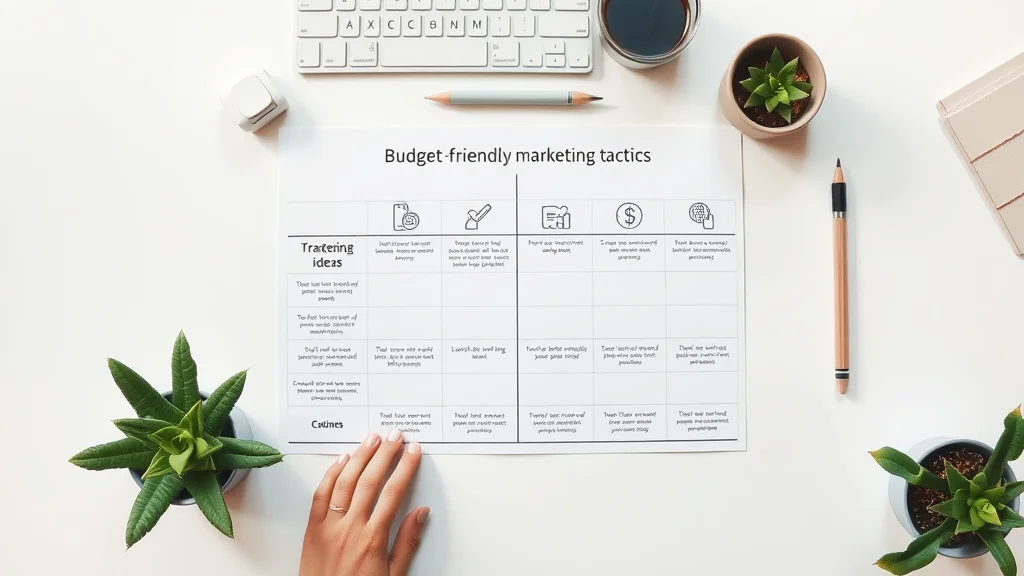
Table: Quick Comparison of Top Budget-Friendly Marketing Ideas for Small Businesses
| Marketing Idea | Cost | Effort Required | Potential Reach | Ideal For |
|---|---|---|---|---|
| Social Media Presence | Free–Low | Medium | High | Businesses with visual or shareable offerings |
| Blogging | Low | Medium–High | Medium–High | Content-driven brands |
| Email Marketing | Low–Medium | Medium | Medium | Businesses with customer lists |
| Business Cards | Low | Low | Local | Service or retail businesses |
| Referral Program | Low | Low | Medium | Customer-focused businesses |
Expert Insights: The Power of Strategic Budget Marketing for Small Businesses
"Smart marketing ideas aren't just about spending less—they're about making every dollar count for small business owners."
Adopting a strategic approach to budget-friendly marketing transforms limited resources into major wins. Effective marketing for small businesses is about focusing on high-impact activities: building a strong social media presence, encouraging referrals, and optimizing every public touchpoint. With careful measurement and consistent refinement, even business owners on a tight budget can compete effectively, proving that smart strategy beats big spending every time. Remember, the most cost-efficient marketing efforts are those that reach the right audience with the right message at exactly the right time.
Every dollar should serve a decisive role in your marketing plan. When you analyze results and double down on what works, your business doesn’t just survive; it begins to thrive—often outpacing larger competitors who waste money on generic campaigns.
Top 41 Budget-Friendly Marketing Ideas That Work
1. Build a Results-Driven Social Media Presence
- Free social media accounts (Facebook, Instagram, X)
- Schedule consistent, value-driven posts
- Engagement tactics for small business owners
Creating and maintaining an active social media presence is one of the most affordable ways to connect with potential customers. Open free accounts on major platforms like Facebook, Instagram, or X (formerly Twitter) and use scheduling tools to maintain a steady stream of posts. Focus on sharing content that entertains, educates, or solves a problem—rather than just promoting your business. Engage with your audience by responding to comments, liking user content, and creating polls or Q&A sessions. Consistency helps small businesses build trust, grow followers, and convert fans into loyal customers without a significant financial investment.
Experiment with live videos, behind-the-scenes stories, and user-generated posts to increase reach and authenticity. When you use these budget marketing ideas strategically, you not only drive traffic but also foster meaningful community ties that sustain your business year-round.
2. Leverage Content Marketing Through Blogging on a Budget
- Start a blog post series highlighting your business idea
- SEO tips for small business blogs
- Content marketing with minimal resources
A consistent blog post series can position your business as an expert in your field while boosting search engine visibility. You don’t have to be a professional writer to begin—focus on topics your customers actually care about, such as how-tos, industry tips, or local events. Use free blogging platforms or integrate a blog into your website using tools like WordPress. Incorporate simple SEO tactics: research common search queries, include relevant keywords (like "budget-friendly marketing ideas" and "small business"), and use compelling headlines. Over time, high-quality content attracts organic traffic, warms up leads, and improves credibility even when marketing budgets are tight.
Don’t underestimate the power of sharing your blog posts across social media or in email newsletters to maximize their reach. For small businesses, content marketing equals relationship-building—every insightful post is a step closer to closing a new client or winning a referral.

3. Email Marketing: Build and Nurture Your Contact List
- Affordable email marketing tools
- How to craft compelling campaigns
- Ideas for growing your list for small businesses
The strength of an engaged email list should never be underestimated. Platforms like Mailchimp or MailerLite offer free or affordable options for sending campaigns, segmenting audiences, and tracking results. Start collecting email addresses from customers and prospects through your website, in-store, or at local events. Share exclusive discounts, useful tips, or behind-the-scenes updates to keep your audience invested. Craft compelling subject lines to increase open rates, and be sure every email contains a clear call to action.
Small businesses excel with email marketing because it allows you to maintain personal relationships at scale. By scheduling regular, value-driven emails, you keep your brand top-of-mind and nurture a loyal following that’s more likely to recommend your business or return for new offerings.
4. Design and Distribute Eye-Catching Business Cards
- Low-cost business card printing options
- Creative ways to distribute business cards offline
Even in a digital era, a well-designed business card remains a practical, effective marketing tool for small business owners. Printing is affordable through services like Vistaprint, Moo, or local print shops. Put your business name, contact info, and a unique value proposition on every card. Hand out business cards at networking events, local shops, and community gatherings, and leave small stacks at non-competing businesses frequented by your target audience. Creative designs and premium card stock can make a memorable impression without a big investment.
Look for opportunities to distribute cards in unexpected places—coffee shops, event swag bags, or directly to potential customers you meet in person. These budget marketing ideas allow you to connect offline and open doors to new relationships, referrals, and business deals.
5. Host a Free Workshop or Webinar
- Engage your local community or online audience
- Ideas for educational or value-packed events
Hosting educational workshops or webinars is a highly-effective, budget-friendly marketing idea to connect directly with potential customers. Local venues, co-working spaces, or virtual meeting platforms (such as Zoom) make it possible to gather participants without high costs. Teach a skill, share insights relevant to your business, or provide practical demonstrations of your product or service. Not only do these events position you as a trusted resource, but they also generate leads, create valuable content for future marketing, and encourage word-of-mouth referrals.
Promote your event through social media, email marketing, and community groups. Offer free admission or value-added bonuses—like a downloadable resource—to boost attendance and establish your brand as a go-to authority while operating on a shoestring marketing budget.
6. Utilize Referral Marketing to Boost Brand Awareness
- Create a referral program for your customers
- How to incentivize participation on a budget
Referrals are one of the lowest-cost ways to acquire new customers. Launching a simple referral program can amplify brand awareness exponentially. Offer current customers a reward—such as a discount, small gift, or exclusive access—when they successfully refer friends and family. Use email marketing or shareable digital flyers to get the word out. Be explicit about what’s in it for both the referrer and the new customer, and keep the process simple.
Track participant activity and celebrate great referrals on social media to motivate more people to participate. Over time, referral programs build community around your brand and create marketing momentum with minimal financial risk.
7. Start a Creative Guerrilla Marketing Campaign
- Guerrilla tactics for maximum exposure
- Examples from successful small businesses
Guerrilla marketing focuses on low-cost, high-visibility stunts or installations that turn heads and generate word-of-mouth buzz. Think clever sidewalk chalk art, eye-catching window displays, or interactive pop-up events. The goal? Surprise and delight potential customers in their everyday environments. Some small businesses have wrapped vehicles with branding or set up temporary outdoor “living rooms” to promote their product or service.
When executed thoughtfully, these marketing ideas can attract local media attention and go viral online. Always align tactics with your brand’s personality—whether playful or innovative—to ensure your budget marketing is memorable for the right reasons.

8. Collaborate with Other Local Small Businesses
- Cross-promotion ideas for business owners
- Shared events and bundled offers
Collaboration is a powerful way for small businesses to increase reach while sharing costs and resources. Partner with complementary (not competing) businesses to offer bundled deals, co-host events, or cross-promote one another through email newsletters or social media mentions. Collaboration could mean a bakery teaming up with a local coffee shop, or a fitness studio offering special rates with a nearby wellness brand.
These partnerships don’t just stretch your marketing budget—they tap into new audiences who already trust your collaborators. Smart partnerships create a win-win dynamic, helping each business owner grow while reinforcing community ties.
9. Claim and Optimize Your Google My Business Profile
- Improve local visibility
- Budget-friendly SEO for small businesses
Claiming and optimizing your Google My Business profile is a must for any small business looking to improve their local search presence. Best of all, it’s completely free. Fill out every available field—business hours, address, categories, photos, and a compelling description. Encourage satisfied customers to leave positive reviews, and respond promptly to questions and feedback. Frequent updates (like special hours or events) reinforce your active local presence.
A complete, well-managed business profile not only boosts search rankings but also increases trust among potential customers searching for your services in real-time. Combine with basic SEO tactics on your website for maximum results.
10. Harness the Power of Customer Testimonials and Reviews
- Request reviews on Google and social media
- How to use testimonials in marketing strategy
Positive testimonials and reviews function as social proof, directly influencing a potential customer’s buying decision. Actively request reviews from happy customers by sending them a direct link or gentle reminder after a successful transaction. Feature the best quotes on your website, social channels, or marketing materials.
Combining positive feedback with high-visibility platforms (like Google, Facebook, or Yelp) amplifies your brand’s credibility. Building a repository of glowing reviews is a low-cost marketing tactic with long-lasting returns, especially for trust-driven industries.

11. Create Shareable Visual Content for Social Media
Vibrant images, infographics, memes, or short videos can highlight your business personality and message, increasing the chances people will share your posts with their own audiences. Use free design tools like Canva or smartphone cameras to create attention-grabbing visuals—even if you’re not a designer.
By prioritizing visual storytelling, you’ll not only boost engagement and reach on social media but also build a memorable brand identity on a modest marketing budget.
12. Offer Limited-Time Discounts to Attract New Customers
Launching periodic, time-sensitive promotions taps into customer urgency and helps boost your product or service’s perceived value. Email campaigns, website banners, and social posts are all effective ways to spread the word. Be specific and clear in your offer, and track which channels drive the best results for future efforts.
This strategy works exceptionally well for local small businesses or those launching a new product in need of buzz.
13. Engage in Community Volunteer Projects
Giving back to your local community builds goodwill and can result in organic publicity, especially when your business teams up with local organizations or participates in community cleanup events. Document your volunteer days with photos and stories for your social media feeds and blog posts.
Not only does this enhance your brand image, but it also creates networking opportunities and earns trust from socially-conscious consumers.

14. Set Up a Loyalty Program for Repeat Business
Rewarding loyal customers with perks—like punch cards, points, or exclusive access—encourages repeat visits. Loyalty programs don’t have to be complex or expensive; simple tracking and consistent communication are what matter most.
Many POS systems and free apps simplify program management for small business owners looking to incentivize ongoing relationships efficiently.
15. Make Strategic Use of Free Business Directories
Listing your business in free directories (such as Yelp, Google, Bing, and local business association sites) increases your online visibility and helps customers find you faster. Keep all information up to date, and use high-quality images and detailed descriptions for best impact.
Leverage every available directory relevant to your niche or region to ensure your business pops up wherever potential customers search.
16. Participate in Online Forums and Groups Relevant to Your Industry
Engaging in platforms like Reddit, LinkedIn groups, or industry-specific forums lets you provide genuine help, answer questions, and subtly promote your expertise. Avoid hard-selling; instead, aim to build a reputation as a helpful contributor.
With time, these communities can drive targeted traffic and referrals your way—at zero cost beyond your effort.
17. Leverage User-Generated Content in Your Marketing Efforts
Encourage customers to share their own photos, reviews, or stories featuring your products and tag your business. Showcase the best submissions on your website or social media. This approach provides fresh content and amplifies your message through trusted peer recommendations.
Host contests or incentives to get more people involved, further stretching your marketing budget and broadening your digital reach.
18. Publish Guest Blog Posts on High-Traffic Websites
Writing a guest blog post on a well-known industry site puts your business in front of new audiences and builds authority. This method requires only your time and expertise but can generate valuable backlinks and referral traffic.
Choose platforms that attract your ideal customer, and make sure every post offers genuine value—not just a sales pitch.
19. Send Out Press Releases for Noteworthy Business Updates
Announce product launches, local events, or unique achievements through press releases distributed to local news outlets and online PR platforms. Craft a compelling story angle and tie your update to broader trends for maximum pickup.
Effective press coverage drives free brand awareness and may create opportunities for speaking engagements and partnerships.
20. Network at Free Industry Events and Meetups
Participating in networking events connects you directly with potential customers, suppliers, and collaborators. Look for free workshops, industry meetups, or community fairs where you can introduce your business organically.
Come prepared with elevator pitches and, of course, plenty of business cards to maximize every encounter.
21. Launch a Creative Hashtag Campaign on Social Media
Create a branded hashtag to encourage users to participate in challenges, share their experiences, or join themed conversations. Promote your hashtag in all communications, making it a fun focal point for your audience.
Outstanding hashtag campaigns can go viral and grow community engagement—essential elements for successful, budget marketing efforts.
22. Use SMS Marketing to Reach Customers Directly
SMS campaigns cut through the digital noise with their high open rates. Collect phone numbers (with permission), and send out offers, event reminders, or exclusive updates. Many low-cost platforms support SMS marketing with built-in compliance tools.
Use sparingly and always provide genuine value to avoid being marked as spam.
23. Implement Efficient Content Repurposing Across Channels
Maximize your effort by turning a single blog post into multiple assets: social posts, infographics, email snippets, or video explainers. This stretches your content further and saves time on ideation.
Effective repurposing ensures your message is seen on every platform your audience visits.
24. Run a Contest or Giveaway to Drive Engagement
Contests spark interest and generate buzz for your business. Ask entrants to follow, share, or tag a friend for a chance to win a relevant prize. Carefully select prizes aligned with your core offering to attract your target market—not just deal-seekers.
Track metrics to measure ROI, and use the contest to grow your email list or social media following.
25. Offer Free Trials or Samples of Your Product or Service
Few marketing tactics convert prospects faster than letting them experience your product or service firsthand. Offer limited-time samples or free consults, either in-store or online. Follow up quickly with personalized offers to turn trialists into paying customers.
This strategy often results in highly qualified leads and strong testimonials.
26. Optimize Your Website for Search Engines
SEO isn’t just for big businesses. Start with keyword research, optimize title tags, descriptions, and meta content, and ensure every page loads quickly on all devices. A well-optimized website attracts organic traffic, outperforming costly paid ads in the long run.
Regularly update your site with new blog posts, testimonials, and fresh offers to keep it relevant for both users and search engines.

27. Develop Partnerships with Influencers on a Budget
Micro-influencers (1,000–10,000 followers) deliver targeted reach that’s affordable for small business owners. Look for local voices or niche creators willing to partner in exchange for products, shout-outs, or modest compensation.
Genuine collaborations drive better engagement, as audiences trust their favorite influencers’ recommendations more than traditional ads.
28. Create an Email Newsletter Packed with Value
Build a regular newsletter filled with tips, promotions, and company news. Consistent communication reinforces your business relationship and motivates repeat purchases.
Newsletters are the backbone of low-cost, high-return email marketing strategies for small businesses.
29. Join Business Associations and Chamber of Commerce
Membership in professional associations provides networking, discounted advertising opportunities, and credibility with customers.
Many chambers offer free listings, valuable workshops, and co-op marketing programs exclusively for members.
30. Hand Out Flyers at Local Hotspots
A timeless marketing idea: distribute well-designed flyers at high-traffic community locations like cafes, gyms, or markets. Focus on bold visuals and a clear call to action for best results.
Track response rates using unique codes or URLs printed on each flyer.
31. Encourage Word-of-Mouth Through Exceptional Service
Delight every customer with prompt, friendly service to spark natural word-of-mouth marketing. A satisfied customer will tell their friends and family, resulting in high-quality, low-cost referrals.
Team trainings and customer feedback loops help you identify and replicate what works best.
32. Market with Branded Merchandise
Affordable swag—pens, stickers, magnets—keeps your business top of mind and can be handed out at events or included in orders. Branded merchandise doubles as both marketing and appreciation for customers’ loyalty.
Pick items people genuinely use to maximize impressions and reinforce your brand daily.
33. Take Advantage of Free Business Tools and Apps
Numerous apps and platforms offer free trials or forever-free tiers for marketing automation, graphic design, CRM, and scheduling. Examples include Canva, Lite CRM tools, and Google Analytics.
Leveraging these tools helps you save on software costs while streamlining daily operations and marketing campaigns.
34. Create Step-by-Step How-To Videos for Your Audience
Videos simplify complex information and increase engagement across social platforms and your website. Use a smartphone to film product demos, FAQs, or quick tutorials related to your industry.
Share on YouTube, Instagram, or Facebook to grow your brand’s visibility on a tight budget.
35. Launch a Podcast Focused on Your Business Niche
Podcasting establishes authority and deepens connections with a niche audience. Use free or low-cost podcast platforms, and invite other local small business owners or industry experts for interviews.
Promote episodes through your email list and social media, offering listeners valuable content and authentic stories that foster business community.
36. Use Pop-Up Shops or Mobile Booths for Outreach
Temporary retail experiences placed at festivals, markets, or community events introduce your business to new customers. Pop-ups require lower investment than permanent spaces and offer real-time feedback on your products or services.
Partner with event organizers for discounted rates or shared spaces to stretch your marketing dollars further.

37. Apply for Local Small Business Grants
Explore municipal, state, and private sector grants aimed at supporting business development and marketing innovation. Grants can provide funds for technology upgrades, advertising campaigns, or community projects.
Stay informed through local business organizations and chambers of commerce about upcoming applications and eligibility requirements.
38. Run Targeted Social Media Ads on a Tight Budget
Platforms like Facebook and Instagram offer powerful demographic targeting, letting you run affordable ads for just a few dollars per day. Start small, test different creatives or audiences, and scale what works best for your product or service.
Proper targeting ensures you maximize your marketing budget’s effectiveness and reach only the audiences most likely to convert.
39. Offer Free Consultations or Strategy Sessions
Invite prospective customers to free consultations, providing valuable insights while demonstrating your expertise. Even a brief session can build trust and set the stage for future business.
Promote via your website, email newsletter, and social media to maximize signups.
40. Share Behind-the-Scenes Content
Transparency humanizes your brand, whether through Instagram Stories, Facebook Live, or a weekly blog post. Show how you create your product or prepare for events, highlighting the values and people behind your business.
This approach deepens relationships and encourages greater loyalty from your audience.
41. Develop a Branded Email Signature to Drive Traffic
- Cover each marketing idea with a short, practical description
- Highlight budget impact and potential return for each strategy
Every email you send—whether customer service, inquiry, or newsletter—is a subtle marketing opportunity. Create a branded signature with a direct call to action, links to your latest content, and active social media profiles. It’s a small detail, but one that consistently nudges contacts toward your business goals.
This tactic costs nothing but can funnel hundreds of new visits to your website or social pages over time.
People Also Ask: Essential Questions about Budget-Friendly Marketing Ideas
What are the most cost-effective marketing strategies for small businesses?
Answer
The most cost-effective marketing strategies for small businesses include building a strong social media presence, leveraging content marketing like blogs and videos, growing and nurturing an email list, and encouraging word-of-mouth referrals. These tactics focus on direct engagement, digital reach, and community building, yielding high returns without demanding a large marketing budget.
How can a business owner implement budget marketing without sacrificing quality?
Answer
Quality in budget marketing comes from focusing on value-driven content, consistent branding, and authentic communication. Small business owners should utilize free tools, repurpose content, and prioritize activities that strengthen relationships with their audience. Tracking metrics and adjusting strategies based on results ensure you maintain quality while keeping costs low.
Are there any free marketing ideas that can drive real growth?
Answer
Absolutely. Free marketing ideas like engaging actively on social media, updating your Google Business Profile, collecting customer testimonials, and partnering with local businesses can lead to significant visibility and growth. While the monetary cost is zero, the investment in time and consistency pays off with real business gains.
How do small businesses measure the effectiveness of budget-friendly marketing tactics?
Answer
Small businesses should measure marketing effectiveness using trackable metrics: website analytics (traffic sources, conversions), social engagement rates, email open and click-through rates, and new customer inquiries. Setting clear goals and regularly reviewing progress allows business owners to refine their marketing strategy for greater ROI over time.
Lists: Top Budget-Friendly Marketing Ideas Categorized by Channel
- Online Marketing Strategies: Social media marketing, blogging, email marketing, influencer partnerships, SEO, SMS campaigns, online contests.
- Offline Marketing Tactics: Business cards, flyers, pop-up shops, branded merchandise, networking events.
- Partnership and Collaboration Ideas: Local business collaborations, guest blogging, association memberships, referral programs.
- Community-Oriented Marketing Tactics: Volunteer events, community workshops, customer testimonials, loyalty programs.
FAQs: Everything Business Owners Need to Know about Budget-Friendly Marketing Ideas
Can budget-friendly marketing ideas work for all business types?
Yes. Every business—from service providers and retailers to online brands—can find budget-friendly marketing ideas that suit their unique needs. The key is to adapt each strategy to your audience and business goals.
What are some common mistakes to avoid in low-cost marketing?
Common mistakes include inconsistent branding, neglecting follow-up, failing to measure results, and spreading resources too thin across channels. Focus on strategies that align with your brand and monitor performance regularly.
How long does it take to see results from budget marketing ideas?
Timelines vary, but most small businesses notice initial results—such as increased website visits or social engagement—within a few weeks. Sustainable growth often requires 3–6 months of consistent effort and monitoring.
Key Takeaways for Small Business Owners Exploring Budget Marketing
- Every business owner can benefit from affordable marketing ideas
- Consistency in marketing tactics leads to long-term results
- Measuring ROI is crucial for refining budget marketing strategies
If you’re ready to take your marketing to the next level, consider how integrating these budget-friendly ideas can form the foundation of a resilient, growth-focused strategy. Exploring advanced approaches—like optimizing your online reputation and leveraging review management—can further amplify your results and set your business apart in a crowded market. For a broader perspective on building a sustainable marketing ecosystem, discover how strategic review management and reputation building can elevate your brand’s credibility and long-term success. Continue your journey with expert insights at Steve Ferguson Search Engine Marketing and unlock new opportunities for your business.




Write A Comment