Add Row
Add Element

Digital Dominance Journal


Steve Ferguson Search Engine Marketing

Add Element
  • Home
  • Categories
    • Content Marketing
    • Social Media
    • Reputation Marketing
    • Web Design
    • Blogging
    • Digital Marketing
    • Retargeting
    • News Sites
    • Review Management
    • Video Advertising
    • AI For Business
  • All Posts
  • Content Marketing
  • Social Media
  • Reputation Marketing
  • Web Design
  • Blogging
  • SEO
  • Digital Marketing
  • Retargeting
  • News Sites
  • Review Management
  • Video Advertising
  • AI For Business
February 23.2026
1 Minute Read

Your Social Media Cover Is a Billboard — Use It Strategically

Did you know that over 93% of first impressions online are shaped by what people see? While you focus on clever posts or witty bios, it's your cover photo — that sweeping image at the top of your social media profile — that's acting as your most valuable digital billboard. In the fast-paced world of social media, the right media cover is your chance to captivate, connect, and convert audiences within seconds. Learn how to turn your social media cover into your brand’s ultimate advertising space and drive more results with every click, scroll, and swipe.

Opening Insights: Why Your Social Media Cover Is a Billboard — Use It Strategically

"According to a recent survey, over 93% of first impressions online are determined by visual content — your social media cover photo is your most valuable billboard." – Digital Branding Institute

Clean, modern office workspace with a desktop computer displaying a striking and vibrant social media cover design. Focus on a confident professional in a bright, well-organized marketing agency. Blue and white color palette, soft daylight, photorealistic, high detail.

What You'll Learn from This Guide to Making Your Social Media Cover a Billboard

  • How the principles of billboard campaign success relate to cover photos
  • Best practices for using your social media cover as an effective call to action
  • Design strategies aligning profile picture, media cover, and cover photo for maximum impact
  • Real-world social media and digital billboard campaign examples

The Power of First Impressions: Your Social Media Cover as an OOH Billboard

Why Your Social Media Cover Is a Billboard — Use It Strategically for Digital First Impressions

First impressions online are everything. Just as a bold billboard campaign dominates a city skyline, your social media cover is a billboard — use it strategically to grab attention and communicate your unique value in seconds. A well-crafted media cover taps into powerful psychology — using bold visuals and clear messaging to immediately convey brand identity and trust. When potential customers or clients visit your social media profile, their attention span lasts only a moment; a compelling cover photo ensures your marketing message lands instantly, even if users don’t scroll further.

The impact of a social media cover photo rivals that of high-traffic OOH (Out-of-Home) billboards. While a roadside billboard ad is designed for quick glances by drivers, your digital cover must also communicate fast. Both formats are about standing out amid a crowded landscape — whether that’s physical highways or busy media platforms like Facebook, Twitter, or LinkedIn. The key similarity? Both are premium advertising space that drives brand awareness and prompts a call to action at the very top of your target audience's mind.

  • The psychological effect of a well-chosen cover photo
  • Comparison: Traditional billboard campaign vs digital billboard on social media

Eye-catching cityscape with both a traditional roadside billboard and a large digital screen displaying a branded social media cover. Focus on a group of diverse onlookers in an urban environment. Vibrant neon and blue tones, photorealistic, twilight setting.
"Your social media cover isn't just decoration—it’s your prime advertising space in the digital age." – Brand Strategist

For those looking to take their social media presence even further, exploring comprehensive social media marketing strategies can help you integrate your cover photo with broader content and engagement tactics, ensuring your brand message is consistent and effective across every channel.

Understanding the Mechanics: Anatomy of a Media Cover on Social Media Platforms

Before designing your perfect cover photo, it’s critical to distinguish the differences and interplay between your profile picture and media cover. While your profile picture serves as a recognizable personal or company icon for quick identification, your cover photo acts as expansive advertising space — a canvas for brand storytelling and marketing campaigns. On most social media platforms, the media cover stretches across the top of your page, offering more room for imagery, slogans, and calls-to-action, all crucial for your billboard campaign.

Certain platforms even offer unique cover features. For instance, Facebook supports video covers for dynamic engagement, while LinkedIn emphasizes company branding in its cover layout. Twitter’s bold resizing across devices means your banner doubles as a digital billboard, capturing consumer attention wherever your target market browses. Understanding these mechanical details ensures your branding efforts are displayed flawlessly, maximizing both impact and reach.

  • Differences and similarities between cover photo and profile picture
Platform Recommended Cover Photo Size Unique Features
Facebook 820x312 px Video covers supported
LinkedIn 1584x396 px Company branding focus
Twitter 1500x500 px Dynamic resizing on mobile

Case Studies: Successful Social Media Cover Billboard Campaigns

Brand Examples Leveraging Their Cover Photo Like a Billboard

Case Study 1: A leading retail brand wanted to launch a nationwide summer sale, leveraging both digital billboards and its social media cover photo. By using the same bold visual on out-of-home (OOH) displays and its Facebook and Twitter covers, the brand created unified brand awareness. The campaign’s vibrant imagery not only boosted engagement online, but in-store foot traffic spiked, showing that digital and physical billboards together maximize reach. This symmetrical approach helped them remain top of mind for their target audience throughout the campaign.

Case Study 2: A personal branding consultant transformed her LinkedIn banner into a dynamic digital billboard. She updated her cover every quarter with new taglines and visuals that matched her current marketing campaign, speaking directly to her target market's pain points and aspirations. This evolving approach increased profile views and connection requests by over 40%, proving that a fresh, strategically designed media cover can outperform static traditional branding methods.

  • Case Study 1: Creative use of digital billboard style by a retail brand
  • Case Study 2: Personal brand’s evolving cover to reflect campaigns

Innovative retail brand team collaborating on digital billboard designs, reviewing social media cover photos on monitors in a creative agency studio. Photorealistic, design elements, high depth of field, warm accent colors, natural wood textures.

Design Best Practices: Creating a Social Media Cover That Functions Like a Billboard

Your Social Media Cover Is a Billboard — Use It Strategically Through Design Principles

The secret to a high-performing media cover is design discipline, just like a successful billboard campaign. Adopt the billboard mindset: prioritize immediate recognition and a compelling call to action. Use bold, legible fonts and high-contrast imagery to ensure your marketing message stands out on any device. Limit text to essentials only—your social media cover should communicate in three seconds or less, just as digital billboards must do for passing motorists. Most importantly, ensure critical elements aren’t hidden by the profile picture overlay or mobile cropping.

Consistency is king for brand awareness. Always incorporate your company logo and use a color palette that aligns seamlessly with your overall branding strategy, across all media platforms. This approach ensures visual harmony from your media profile to every digital ad or OOH campaign. Don’t forget: the right cover design functions as a powerful tool to keep your brand top of mind and boost your lowest cost per impression.

  • Use bold fonts, limited text, and high-contrast imagery
  • Incorporate company logo and consistent branding
  • Ensure important elements are not obscured by profile picture overlays

Bold, visually striking mockup of a social media cover design on a desktop browser interface. Strong branding shapes and color in a minimalist workspace. Sharp resolution, black, white, and accent color palette.

Integrating Your Social Media Cover with Your Overall Digital Billboard Campaign

Consistency Across Social Media, Cover Photo, and Offline OOH Ads

To maximize marketing strategies, treat your social media cover as a vital part of your cross-channel campaigns. Use the same key visual—logo, slogan, color, and campaign theme—across every touchpoint, including OHH ads, digital billboards, and your social networks. By mirroring designs and scheduling coordinated campaign launches, you unify brand messaging, increase recall, and reinforce trust. Your audience should instantly recognize your brand identity, whether they see your billboard in town or your Facebook page online.

This strategy leverages the unique strengths of each media platform. Physical OOH ads build local recognition and digital billboards extend reach online, while your cover photo and profile picture create daily touchpoints with your target audience. Such alignment not only increases campaign effectiveness, but also decreases confusion, builds trust, and amplifies your overall marketing impact.

  • Use the same key visual across social media, digital billboard, and OOH ads
  • Schedule coordinated campaign launches

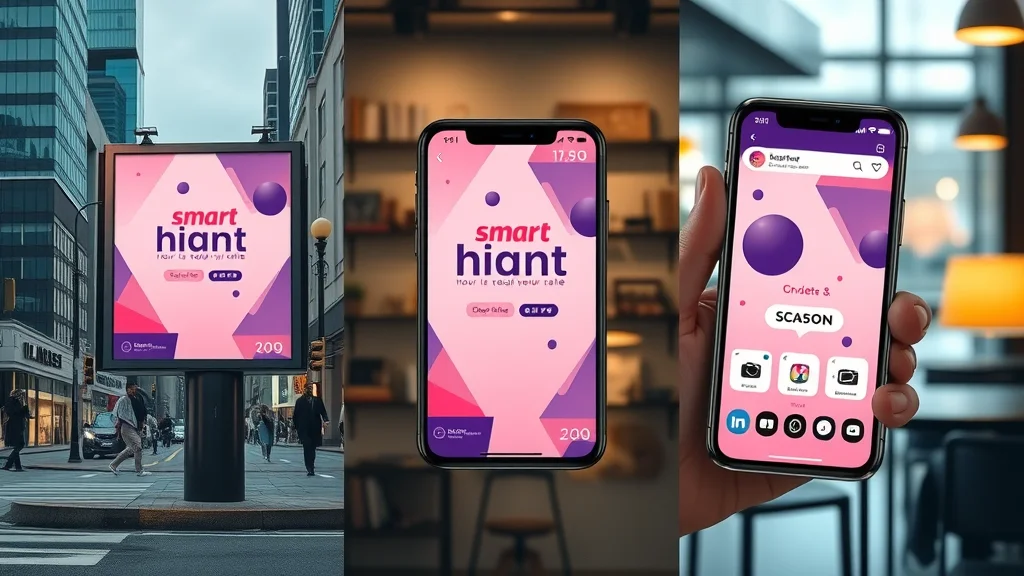
Collage of matching designs displayed on a physical billboard, digital screen, and mobile phone social media cover. Brand identity colors flow across city street, smart home, and business setting. High clarity, atmospheric lighting.

List: Dos and Don’ts for Social Media Cover Billboard Success

  1. Do: Keep branding visible
  2. Do: Update regularly with campaigns
  3. Don't: Overload with text
  4. Don't: Use low-resolution images

People Also Ask: Are Billboards a Marketing Strategy?

Answer: Understanding the Strategic Role of Billboards in Marketing and the Influence of the Billboard Effect

Yes—billboards (from massive roadside ads to sleek digital billboard banners and even social media covers) form a core part of effective marketing strategies. Billboards—including OOH ads and cover photos—help maintain your brand top of mind, boost trust through consistent exposure, and drive direct response. Whether your focus is brand awareness or engaging your target market, well-placed billboards and media covers offer unmatched consumer attention and brand recall, both online and offline.

  • Billboards — including digital billboards and social media covers — create brand recall and drive action.

People Also Ask: Are Billboards Considered Social Media?

Exploring the Intersection of Social Media and Billboard Campaigns

While traditional OOH billboards are physical, the billboard effect extends digitally through your branded cover photo on social media platforms. The design philosophy seen in eye-catching OOH campaigns is now a core tactic for digital spaces: the media cover on your Facebook, Twitter, or LinkedIn page is your brand’s digital billboard, presenting messaging to an even broader, always-connected audience.

  • While traditional billboards are offline, the concept is mirrored by digital billboard and social media platforms via the cover photo.

Modern marketer using both social media and outdoor advertising. Planning campaigns on digital tablet, rooftop with billboards, digital screens with branding. Energetic teal and sunset gold lighting, ultra-detailed.

People Also Ask: What Is the Billboard Effect in Marketing?

Defining the Billboard Effect and Its Implications for Social Media Cover Use

The billboard effect refers to the marketing boost brands gain simply by being highly visible—whether on physical billboards or through a standout social media cover. This visibility drives awareness, trust, and keeps your brand top of mind for consumers. When potential customers see your cover photo consistently across platforms, their likelihood of recall and engagement increases, providing you a unique advantage over competitors who neglect this key media profile real estate.

  • Billboard effect: Boosting visibility and brand trust by being top-of-mind — just like your social media cover.

People Also Ask: Should You Put Your Logo on Social Media Posts?

Branding Your Social Media Cover, Posts, Profile Picture, and Media Cover

Absolutely. Displaying your logo consistently across your social media cover, posts, profile picture, and media profile increases brand recognition and trust. Think of your logo as the anchor of your brand online—make it visible, but not overwhelming. The right logo integration supports your marketing message, aids recall, and strengthens the connection between all your digital and OOH campaigns.

  • Logos enhance brand recognition; integrate consistently on social media, cover photo, profile picture, and posts.

Video Guide 1: Visual Walkthrough — Designing a Social Media Cover as a Billboard

A step-by-step video guide visually demonstrating how to turn a basic social media cover image into a visually compelling "digital billboard," featuring real-time screen captures of design software, split-screen examples of before and after covers, and clear transitions between branding integration, color grading, and placement best practices.

Video Guide 2: Real-Life Results — Before and After Social Media Cover Campaigns

Key Takeaways: Your Social Media Cover Is a Billboard — Use It Strategically

  • Treat your cover photo like a digital billboard for maximum brand impact
  • Align messaging, visuals, and calls-to-action across all platforms
  • Use design best practices to communicate your value at a glance

FAQs: Optimizing Your Social Media Cover as a Billboard

  • How often should I update my cover photo?
    Update with every new campaign, seasonally, or at least once per quarter to keep messaging fresh and reflective of your latest marketing strategy.
  • What are the top mistakes to avoid in social media cover design?
    Key errors include using too much text, cluttered imagery, low-resolution photos, and hiding branding elements behind profile picture overlays or cropping on mobile devices.
  • How does a cover photo differ from a profile picture in branding?
    Your profile picture gives quick brand recognition, while the cover photo delivers a story, call-to-action, and detailed branding to engage and convert viewers.
  • Which platforms benefit most from a strategic cover photo?
    Facebook, LinkedIn, and Twitter offer the largest, most prominent spaces for branded covers, making them ideal for digital billboard strategies.

Conclusion: Unlock the Potential of Your Social Media Cover as a Billboard

Take charge of your digital first impression—make your social media cover your most effective billboard and watch your brand awareness soar.

If you’re ready to elevate your brand’s visibility and engagement, consider how a holistic approach to digital marketing can amplify the impact of your social media cover. By weaving together strategic cover design with advanced social media marketing and review management, you can create a seamless brand experience that resonates across every touchpoint. Discover how expert guidance and integrated tactics can help you stand out in a crowded digital landscape by visiting our social media marketing resource center. Unlock new levels of brand authority and customer trust—your next breakthrough campaign could be just a click away.

Call or Text Us at (508)344-5927 or Email steveferguson@stevefergusonsearchenginemarketing.com for a Free Social Media Branding Audit

Social Media

0 Views

0 Comments

Write A Comment

*
*
Related Posts All Posts
02.23.2026

Measuring Social Media ROI: What You Need To Know Now

Did you know? Over 72% of businesses believe social media data boosts company performance—yet less than 20% say their ROI tracking is very effective. This surprising disconnect reveals why mastering measuring social media ROI is not just important but critical to unlocking the real value of your media marketing investment. Startling Statistics: Why Measuring Social Media ROI Matters Today In the fast-paced world of social media marketing, decision-makers are challenged by the pressure to show return on investment (ROI) from ever-expanding media campaigns. According to recent studies, more than 70% of organizations invest significant time and money into their social media efforts, but most struggle to link their marketing activities to real business outcomes. This gap can have a direct impact on your bottom line and raise questions from stakeholders about the effectiveness of your media strategy. Measuring social media ROI is no longer optional. Today, brands compete for attention across countless media platforms, with every click, like, or share potentially leading to direct revenue, brand awareness, or increased customer engagement. However, without clear metrics and an effective way to evaluate performance, marketing teams risk pouring resources into activities that yield little meaningful impact. Understanding exactly how your media campaigns affect business outcomes empowers you to make informed decisions, optimize campaigns, and demonstrate the true value of your marketing efforts. The Eye-Opening Impact of Social Media Marketing on Business ROI As the dynamics of media marketing evolve, companies are increasingly focused on tying digital activity back to measurable growth. Not only does effective measuring social media ROI validate strategy, it illuminates which campaigns drive conversions and which only consume budget. The detailed breakdown of ROI can specify which media platforms generate leads, which boost brand awareness, and which help nurture customers along their journey. Businesses able to analyze and attribute results set themselves apart in highly competitive markets. "Over 72% of businesses say social media data increases their company’s performance, yet less than 20% believe their ROI measurement is very effective. " — Datareportal 2023 Global Overview What You’ll Learn About Measuring Social Media ROI The fundamentals of measuring social media ROI How key metrics and KPIs affect your ROI evaluation Effective tools and strategies to measure social media marketing effectiveness Common mistakes and expert recommendations Defining Social Media ROI: Core Concepts and Relevance What Is Social Media ROI and Why Does It Matter? Social media ROI (Return on Investment) measures the value your social media campaigns generate compared to the resources invested—time, money, and human capital. Unlike traditional media ROI, it’s tied to digital-specific outcomes like engagement, click-through rates, conversions, and even customer sentiment. The ability to measure social means being able to answer vital questions like: Is this campaign driving leads? Are we truly reaching our target audience? How do our efforts translate to revenue growth or brand awareness? Ultimately, measuring social media ROI matters because it aligns marketing activities with business objectives, informs budgeting, and identifies which media strategies are winning or need refinement. Without it, companies may make decisions based on assumptions or vanity metrics instead of actual business outcomes. Understanding the Value of Social Media Marketing The true value of social media marketing extends beyond simple likes and shares. Each media campaign provides insight into audience preferences, engagement patterns, and the overall customer journey. By tracking metrics such as reach, click-throughs, and conversions, businesses can tie social media efforts directly to sales, leads, or changes in brand sentiment. For companies embracing media analytics, this means every dollar spent on social channels can contribute directly to the organization's bottom line. Moreover, robust measurement allows organizations to fine-tune campaigns in real time, allocate resources more efficiently, and strengthen relationships with their target audience. The process of measuring social media ROI not only proves value to decision-makers but also empowers marketers to adapt quickly as digital trends shift. Media ROI vs. Traditional Marketing ROI Unlike traditional marketing, where ROI might focus on billboard impressions or TV ad views, media ROI leverages uniquely digital metrics. This includes real-time tracking of user behavior, social media engagement, and targeted conversion events. Media platforms enable granular reporting, allowing brands to understand what’s working across various media channels—from Facebook to LinkedIn to Instagram. This granular approach means you can connect specific media campaigns to actions like downloads, purchases, or form completions—outcomes that are tough to attribute accurately through offline marketing. As a result, companies that excel in measuring social media ROI can optimize both digital and traditional efforts, maximizing the impact on revenue and overall business goals. Business Goals: Setting Objectives for Measuring Social Media ROI Aligning Social Media Campaigns with Overall Business Outcomes Before launching a social media campaign, defining clear and measurable business objectives is essential. Start by identifying whether the aim is boosting brand awareness, generating leads, nurturing customer loyalty, or driving direct sales. Each goal requires different KPIs and distinct approaches to ROI analysis. When media campaigns are aligned with overarching business goals, marketing teams can set benchmarks, select the right metrics, and monitor progress throughout the campaign lifecycle. This strategic alignment links daily social activity directly to the company’s bottom line, ensuring every post, ad, and engagement moves the needle toward clear business outcomes. Distinguishing Brand Awareness from Direct Conversions It’s crucial to distinguish between brand awareness-focused media strategies and those driving direct conversions. Not every social media post is meant to produce immediate revenue—some increase visibility or foster community engagement, which are vital but harder to quantify. By clarifying which campaigns aim to raise brand recognition versus those targeting sales, marketers can assign relevant KPIs, compare success across objectives, and avoid undervaluing top-of-funnel media efforts. For instance, a campaign designed for brand awareness might measure impressions, reach, and shares, while a campaign driving sales would track conversion rates, cost per acquisition, and revenue attributed. Recognizing these distinctions ensures your analysis captures the full spectrum of social media marketing impact. To further enhance your understanding of how to build effective campaigns and maximize your results, you may want to explore practical strategies and real-world examples in this comprehensive guide to social media marketing. It offers actionable insights that complement the ROI measurement techniques discussed here. Key Performance Indicators (KPIs) That Demonstrate Social Media ROI Overview of Top KPIs in Social Media Marketing Measuring social media ROI hinges on selecting the right KPIs. These metrics should directly relate to your business goals and accurately reflect the performance of each media campaign. Popular indicators include engagement rates (likes, shares, comments), click-through rates (CTR), conversion rates (such as newsletter signups or product purchases), and customer acquisition cost, which tells you how much you’re spending to acquire each new customer through social media efforts. By consistently tracking these KPIs, marketers gain real-time insights into which campaigns are moving the needle and which need refinement. This level of analysis not only boosts ROI but also allows for more strategic allocation of resources across media platforms, ensuring that every marketing dollar is making an impact. Engagement rates Click-through rates Conversion rates Customer acquisition cost Using Google Analytics and Other Tools for Measuring Social Media ROI Tracking the effectiveness of your social media campaigns requires robust analytics platforms. Google Analytics is the industry gold standard, allowing you to attribute site traffic, leads, and purchases to specific campaigns and social media channels. By setting up custom goals, UTM parameters, and conversion tracking, you gain a clear view of how users move from social posts to real business actions. Beyond Google Analytics, tools like Hootsuite Analytics, Sprout Social, and native analytics dashboards (such as Facebook Insights or LinkedIn Analytics) offer additional layers of insight. Together, these platforms provide a multi-dimensional view of your media marketing ROI, revealing what’s working, which channels drive results, and where to optimize future campaigns. Short explainer animation showing the social media ROI calculation process with animated graphs and icons transitioning into real-world campaign results. Tools and Techniques for Measuring Social Media ROI Popular Social Media Analytics Tools Selecting the right tools is crucial for comprehensive media analytics. Each tool brings its own strengths, from ease of use to reporting depth, and can be tailored to your specific needs or business goals. Here are some industry favorites: Google Analytics Hootsuite Analytics Sprout Social Native platform analytics (Facebook, Instagram, Twitter, LinkedIn) Using these platforms, you can monitor your social media marketing activities in real time, compare cross-channel results, and track ROI against each social media platform with unprecedented detail. Implementing UTM Parameters and Attribution Models For granular measurement, adding UTM parameters to your social links lets you track visitor origin and behavior in tools like Google Analytics. Attribution models—such as first-click, last-click, or linear—help you understand the role each touchpoint played in the customer journey. These models can reveal whether your social content initiates, assists, or closes conversions, guiding more nuanced optimization of your media strategy. Implementing these methods allows brands to see the full impact of social media campaigns—from awareness through to conversion—and optimize touchpoints for greater return on investment. The 5-3-2 and 5-5-5 Rules: Content Mix and Measuring Social Success Understanding the 5-3-2 Rule for Social Media The 5-3-2 rule provides a simple yet effective content strategy for engaging your audience and maximizing the ROI of your social media marketing. For every 10 posts: 5 should be curated content from others, 3 should be original content you create, and 2 should be personal, humanizing posts. This approach ensures a mix of value, thought leadership, and brand personality—driving sustained engagement and greater visibility. Applying the 5-3-2 rule within your media strategy allows for a diverse content calendar that resonates with your target audience, supports brand awareness, and maintains interest across your social platforms. The result is stronger engagement metrics—vital for a high-performing social media ROI analysis. What Is the 5-5-5 Rule in Social Media Campaigns? The 5-5-5 rule further refines your content mix for broader appeal. For every 15 posts, 5 should focus on self-promotion, 5 should highlight industry peers or influencers, and 5 should tell personal or brand stories to build authenticity. This balance expands reach, leverages social proof, and fosters trust, all of which are key to improving both engagement and conversion rates in your media campaigns. Regularly applying the 5-5-5 framework creates a holistic strategy that can be tailored to different media platforms and target markets, ensuring that your measuring social media ROI is connected to both quantitative and qualitative gains. People Also Ask: What is the 5 3 2 rule for social media? Answer: The 5-3-2 rule dictates that for every 10 social media posts: 5 should be curated content, 3 should be original content you create, and 2 should be personal or humanizing posts that let your audience get to know your brand. People Also Ask: What is the 5 5 5 rule for social media? Answer: The 5-5-5 rule for social media states that for every 15 posts, 5 should focus on self-promotion, 5 should highlight influencers or industry peers, and 5 should be personal stories to build authenticity. People Also Ask: What KPIs demonstrate social media ROI? Answer: KPIs that demonstrate social media ROI include engagement metrics (likes, shares, comments), conversion rates, click-through rates, reach, and customer acquisition costs linked to social media channels. People Also Ask: What are the best metrics for tracking social media ROI? Answer: The best metrics for measuring social media ROI are those directly tied to business goals, such as conversion rates, lead generation, sales attributed to campaigns, referral traffic, and overall engagement growth. Social Media Campaigns: Linking Efforts to Real Business Outcomes Tracking Media Campaign Success Using Dedicated Metrics Measuring social media ROI requires connecting campaign activities to outcomes like leads, sales, and business growth. Success starts with identifying which metrics are most relevant for each type of media campaign. Track conversions tied to special offers, downloads, event registrations, or product purchases, then compare results against the social spend for each initiative. Integrating these insights with media analytics platforms ensures ongoing refinement and improvement. Using dedicated tracking tools, such as conversion pixels and event tracking in Google Analytics, marketers can gain a clear picture of what’s working at every touchpoint. This comprehensive view gives you confidence in reporting and drives more effective media marketing decisions. How To Attribute Revenue and Conversions to Social Media Campaigns Attribution is about assigning credit for sales and conversions to the right media efforts. By configuring multi-touch attribution in analytics platforms, you can map the entire customer journey. Did the first click from Facebook lead to a later purchase via Instagram? Sophisticated attribution models make it possible to capture the full influence of each social media strategy. With this holistic approach, every social media platform can be judged according to its unique strengths, and revenue can be attributed with much greater accuracy than traditional methods. This alignment provides solid evidence of return on investment and supports smarter budget decisions. Short animation walks through a real-world brand campaign, showing how social media efforts, tracked by KPIs, generate revenue and prove ROI with tangible results. Return on Investment: Calculating the ROI of Social Media Marketing ROI Calculation Formula for Social Media Campaigns Calculating social media ROI is a critical step in measuring campaign effectiveness. The standard formula is simple: Social Media ROI = (Value Gained – Social Media Investment) / Social Media Investment For example, if your media campaign costs $2,000 and generates $8,000 in trackable revenue: MetricValueROI Impact Social Spend$2,000- Revenue Generated$8,0004x This means every dollar invested produced a 4x return—a figure that makes decision-making, optimization, and reporting much more actionable. Common Measurement Challenges in Social Media Marketing Identifying and Overcoming Data Attribution Issues One of the toughest challenges in measuring social media ROI is data attribution: unifying disparate touchpoints and platforms to correctly credit conversions. Consumers often interact with brands across multiple media platforms before completing a purchase. If your tracking is limited to last-click attribution, you risk undervaluing the true impact of upper-funnel social media efforts. Overcoming this requires adopting cross-platform attribution models and integrating advanced analytics tools that can “see” beyond basic metrics. This enables marketers to properly recognize the full value of each campaign and refine strategies for even stronger returns. Dealing with Metrics That Don’t Directly Correlate to Revenue Not every social metric tells a story about direct revenue. For example, high engagement rates may not instantly translate to sales, but they can boost brand awareness, trust, and long-term loyalty. The key is to balance “hard” metrics like conversions and “soft” metrics like community sentiment in your analysis. Marketers should contextualize results, reporting both qualitative and quantitative progress to decision-makers. By finding correlations (even if indirect) between top-funnel engagement and eventual sales, you demonstrate the multifaceted value of media marketing. Animated split-screen demo of top analytics tools—Google Analytics, Hootsuite, Sprout Social, and native platforms—highlighting their unique features for measuring social media ROI. How Leaders Use Measuring Social Media ROI to Drive Social Commerce Case Studies in Social Media ROI Leading brands like Nike and Glossier utilize advanced media analytics and attribution strategies to attribute sales and customer growth directly to social media campaigns. By regularly tracking campaign KPIs, these companies are able to identify which content types and media platforms generate the highest conversions. Their results demonstrate that careful measuring social media ROI can lead to data-driven innovation and outsized business growth. Whether launching new products, executing influencer partnerships, or running flash sales, industry leaders treat social as a core revenue channel—not just a branding tool. Their successes illustrate the connection between robust ROI measurement and sustained business outcomes. The Impact of Social Commerce on ROI The rise of social commerce—selling products directly through social platforms—amplifies the importance of ROI measurement. Brands can now track the entire purchase path from click to checkout, capturing precise data on which posts, ads, or influencers generate sales. This data-driven approach makes justifying and scaling media marketing investments faster and more effective. By integrating social shops and shoppable posts, brands unlock new streams of highly trackable revenue, simplifying the process of proving the return on their social media efforts. Expert Insights on Measuring Social Media ROI "Measuring social media ROI goes far beyond likes and shares; it’s about linking your efforts to tangible business goals." — Jane Doe, Digital Marketing Strategist Essential Checklist: Key Steps to Measure Social Media ROI Set clear business objectives Select appropriate KPIs Leverage analytics tools Apply ROI formulas Continuously optimize social media efforts FAQs — Measuring Social Media ROI How often should you measure social media ROI? Ideally, ROI should be reviewed after each major campaign and at least quarterly for ongoing efforts. Regular monitoring allows for timely optimization and more accurate long-term trend analysis. Which campaigns are hardest to attribute ROI? Brand awareness and top-of-funnel campaigns are usually the hardest to attribute directly, since outcomes like sentiment or visibility may influence sales months later. What are the best free tools? Google Analytics and native social platform insights (such as Facebook Insights and Twitter Analytics) offer robust, no-cost ways to track basic campaign metrics and conversions. How do you present ROI results to stakeholders? Focus on linking campaign outcomes to business goals, present data visually in charts or dashboards, and provide actionable insights for optimizing future campaigns. Key Takeaways for Measuring Social Media ROI Define business goals before launching social media campaigns Choose metrics closely tied to outcomes Use a combination of qualitative and quantitative data Regularly report and refine your approach In Closing: Take Action on Measuring Social Media ROI For more information or a custom social media ROI analysis, Call Or Text Us At (508)344-5927 Or Email Us At steveferguson@stevefergusonsearchenginemarketing.com. If you're ready to take your social media measurement to the next level, consider exploring broader strategies that integrate review management and reputation building alongside your ROI efforts. By combining robust analytics with proactive brand management, you can unlock even greater value from your digital presence. Discover how a holistic approach to social media marketing and review management can elevate your business outcomes by visiting Steve Ferguson Search Engine Marketing. Embracing these advanced techniques will help you stay ahead of the competition and ensure your marketing investments deliver measurable, long-term results.

02.22.2026

Budget-Friendly Marketing Ideas That Actually Work Today

Are you tired of waiting for big marketing budgets to spark real growth in your small business? What if the most effective marketing ideas didn’t require a fortune or a team of experts—just smart choices and consistent action? Are You Missing Out on Game-Changing Budget-Friendly Marketing Ideas? Every small business owner faces the challenge of reaching more customers without spending their entire marketing budget. The truth is, strategic budget-friendly marketing ideas can be just as powerful—sometimes even more so—than expensive ad campaigns. By leveraging cost-effective tactics like social media, content marketing, and offline engagement, you can increase brand awareness, build loyal relationships, and drive measurable results. This article reveals 41 proven marketing ideas that are making a difference for small businesses today, helping owners prioritize return on investment and resilience over risky, high-cost gambles. If you’ve been relying on conventional marketing wisdom, you might be missing opportunities that smart, modern business owners are capitalizing on. Whether you’re looking to kickstart your reach, nurture your contact list, or simply grow your small business without breaking the bank, these practical strategies will get you there. Why Conventional Wisdom About Small Business Marketing Ideas Falls Short Traditional marketing advice often focuses on big spends—billboards, pricey print ads, or massive events—which can make small business owners feel left out. However, modern budget-friendly marketing ideas prioritize agility, creativity, and authenticity. By shifting away from “one-size-fits-all” solutions, small businesses can carve out a niche by using marketing tactics tailored to their budget and unique audience. Real success comes from consistently applied strategies that require more hustle than dollars, like optimized business profiles, influencer collaborations, and word-of-mouth marketing. Don’t get stuck in the marketing rut—open the door to new possibilities designed for today’s digital landscape. Forward-thinking business owners know that the true test of a marketing idea isn’t how much it costs but how well it connects with the right people. By refusing to settle for outdated practices and embracing innovation, you can achieve greater impact with each dollar spent. Challenge: Rethinking Marketing Tactics for Small Business Owners It’s easy to assume you need deep pockets to make marketing work, but that’s a misconception. The real challenge for a small business owner is to identify tactics that deliver value at minimal cost. While some marketing strategies might sound intimidating or resource-heavy, this list breaks down each tactic into manageable steps, showing exactly where to invest your time and energy for the greatest ROI. By adopting budget-friendly marketing ideas, you’ll discover tools and platforms—many of them free—that can amplify your message, engage your audience, and generate new business. Rethink what’s possible: your next great customer may be just one smart move away! Don’t let limited funds discourage you. Even with a small team, these marketing ideas have the potential to put your business on the map and help you compete with bigger players, proving creativity always trumps a bloated marketing budget. As you explore these strategies, remember that a strong social media presence can be a game-changer for small businesses on a budget. For a deeper dive into practical tactics and platform-specific tips, check out this comprehensive guide on effective social media marketing for small businesses to help you maximize your reach without overspending. What You'll Learn: Maximizing Your Impact with Budget-Friendly Marketing Ideas Actionable, low-cost marketing ideas for small businesses Step-by-step tactics for launching effective budget marketing campaigns How business owners can leverage digital and traditional strategies Tips for scaling marketing ideas with minimal investment Expert advice on measuring your marketing strategy's ROI Table: Quick Comparison of Top Budget-Friendly Marketing Ideas for Small Businesses Marketing Idea Cost Effort Required Potential Reach Ideal For Social Media Presence Free–Low Medium High Businesses with visual or shareable offerings Blogging Low Medium–High Medium–High Content-driven brands Email Marketing Low–Medium Medium Medium Businesses with customer lists Business Cards Low Low Local Service or retail businesses Referral Program Low Low Medium Customer-focused businesses Expert Insights: The Power of Strategic Budget Marketing for Small Businesses "Smart marketing ideas aren't just about spending less—they're about making every dollar count for small business owners." Adopting a strategic approach to budget-friendly marketing transforms limited resources into major wins. Effective marketing for small businesses is about focusing on high-impact activities: building a strong social media presence, encouraging referrals, and optimizing every public touchpoint. With careful measurement and consistent refinement, even business owners on a tight budget can compete effectively, proving that smart strategy beats big spending every time. Remember, the most cost-efficient marketing efforts are those that reach the right audience with the right message at exactly the right time. Every dollar should serve a decisive role in your marketing plan. When you analyze results and double down on what works, your business doesn’t just survive; it begins to thrive—often outpacing larger competitors who waste money on generic campaigns. Top 41 Budget-Friendly Marketing Ideas That Work 1. Build a Results-Driven Social Media Presence Free social media accounts (Facebook, Instagram, X) Schedule consistent, value-driven posts Engagement tactics for small business owners Creating and maintaining an active social media presence is one of the most affordable ways to connect with potential customers. Open free accounts on major platforms like Facebook, Instagram, or X (formerly Twitter) and use scheduling tools to maintain a steady stream of posts. Focus on sharing content that entertains, educates, or solves a problem—rather than just promoting your business. Engage with your audience by responding to comments, liking user content, and creating polls or Q&A sessions. Consistency helps small businesses build trust, grow followers, and convert fans into loyal customers without a significant financial investment. Experiment with live videos, behind-the-scenes stories, and user-generated posts to increase reach and authenticity. When you use these budget marketing ideas strategically, you not only drive traffic but also foster meaningful community ties that sustain your business year-round. 2. Leverage Content Marketing Through Blogging on a Budget Start a blog post series highlighting your business idea SEO tips for small business blogs Content marketing with minimal resources A consistent blog post series can position your business as an expert in your field while boosting search engine visibility. You don’t have to be a professional writer to begin—focus on topics your customers actually care about, such as how-tos, industry tips, or local events. Use free blogging platforms or integrate a blog into your website using tools like WordPress. Incorporate simple SEO tactics: research common search queries, include relevant keywords (like "budget-friendly marketing ideas" and "small business"), and use compelling headlines. Over time, high-quality content attracts organic traffic, warms up leads, and improves credibility even when marketing budgets are tight. Don’t underestimate the power of sharing your blog posts across social media or in email newsletters to maximize their reach. For small businesses, content marketing equals relationship-building—every insightful post is a step closer to closing a new client or winning a referral. 3. Email Marketing: Build and Nurture Your Contact List Affordable email marketing tools How to craft compelling campaigns Ideas for growing your list for small businesses The strength of an engaged email list should never be underestimated. Platforms like Mailchimp or MailerLite offer free or affordable options for sending campaigns, segmenting audiences, and tracking results. Start collecting email addresses from customers and prospects through your website, in-store, or at local events. Share exclusive discounts, useful tips, or behind-the-scenes updates to keep your audience invested. Craft compelling subject lines to increase open rates, and be sure every email contains a clear call to action. Small businesses excel with email marketing because it allows you to maintain personal relationships at scale. By scheduling regular, value-driven emails, you keep your brand top-of-mind and nurture a loyal following that’s more likely to recommend your business or return for new offerings. 4. Design and Distribute Eye-Catching Business Cards Low-cost business card printing options Creative ways to distribute business cards offline Even in a digital era, a well-designed business card remains a practical, effective marketing tool for small business owners. Printing is affordable through services like Vistaprint, Moo, or local print shops. Put your business name, contact info, and a unique value proposition on every card. Hand out business cards at networking events, local shops, and community gatherings, and leave small stacks at non-competing businesses frequented by your target audience. Creative designs and premium card stock can make a memorable impression without a big investment. Look for opportunities to distribute cards in unexpected places—coffee shops, event swag bags, or directly to potential customers you meet in person. These budget marketing ideas allow you to connect offline and open doors to new relationships, referrals, and business deals. 5. Host a Free Workshop or Webinar Engage your local community or online audience Ideas for educational or value-packed events Hosting educational workshops or webinars is a highly-effective, budget-friendly marketing idea to connect directly with potential customers. Local venues, co-working spaces, or virtual meeting platforms (such as Zoom) make it possible to gather participants without high costs. Teach a skill, share insights relevant to your business, or provide practical demonstrations of your product or service. Not only do these events position you as a trusted resource, but they also generate leads, create valuable content for future marketing, and encourage word-of-mouth referrals. Promote your event through social media, email marketing, and community groups. Offer free admission or value-added bonuses—like a downloadable resource—to boost attendance and establish your brand as a go-to authority while operating on a shoestring marketing budget. 6. Utilize Referral Marketing to Boost Brand Awareness Create a referral program for your customers How to incentivize participation on a budget Referrals are one of the lowest-cost ways to acquire new customers. Launching a simple referral program can amplify brand awareness exponentially. Offer current customers a reward—such as a discount, small gift, or exclusive access—when they successfully refer friends and family. Use email marketing or shareable digital flyers to get the word out. Be explicit about what’s in it for both the referrer and the new customer, and keep the process simple. Track participant activity and celebrate great referrals on social media to motivate more people to participate. Over time, referral programs build community around your brand and create marketing momentum with minimal financial risk. 7. Start a Creative Guerrilla Marketing Campaign Guerrilla tactics for maximum exposure Examples from successful small businesses Guerrilla marketing focuses on low-cost, high-visibility stunts or installations that turn heads and generate word-of-mouth buzz. Think clever sidewalk chalk art, eye-catching window displays, or interactive pop-up events. The goal? Surprise and delight potential customers in their everyday environments. Some small businesses have wrapped vehicles with branding or set up temporary outdoor “living rooms” to promote their product or service. When executed thoughtfully, these marketing ideas can attract local media attention and go viral online. Always align tactics with your brand’s personality—whether playful or innovative—to ensure your budget marketing is memorable for the right reasons. 8. Collaborate with Other Local Small Businesses Cross-promotion ideas for business owners Shared events and bundled offers Collaboration is a powerful way for small businesses to increase reach while sharing costs and resources. Partner with complementary (not competing) businesses to offer bundled deals, co-host events, or cross-promote one another through email newsletters or social media mentions. Collaboration could mean a bakery teaming up with a local coffee shop, or a fitness studio offering special rates with a nearby wellness brand. These partnerships don’t just stretch your marketing budget—they tap into new audiences who already trust your collaborators. Smart partnerships create a win-win dynamic, helping each business owner grow while reinforcing community ties. 9. Claim and Optimize Your Google My Business Profile Improve local visibility Budget-friendly SEO for small businesses Claiming and optimizing your Google My Business profile is a must for any small business looking to improve their local search presence. Best of all, it’s completely free. Fill out every available field—business hours, address, categories, photos, and a compelling description. Encourage satisfied customers to leave positive reviews, and respond promptly to questions and feedback. Frequent updates (like special hours or events) reinforce your active local presence. A complete, well-managed business profile not only boosts search rankings but also increases trust among potential customers searching for your services in real-time. Combine with basic SEO tactics on your website for maximum results. 10. Harness the Power of Customer Testimonials and Reviews Request reviews on Google and social media How to use testimonials in marketing strategy Positive testimonials and reviews function as social proof, directly influencing a potential customer’s buying decision. Actively request reviews from happy customers by sending them a direct link or gentle reminder after a successful transaction. Feature the best quotes on your website, social channels, or marketing materials. Combining positive feedback with high-visibility platforms (like Google, Facebook, or Yelp) amplifies your brand’s credibility. Building a repository of glowing reviews is a low-cost marketing tactic with long-lasting returns, especially for trust-driven industries. 11. Create Shareable Visual Content for Social Media Vibrant images, infographics, memes, or short videos can highlight your business personality and message, increasing the chances people will share your posts with their own audiences. Use free design tools like Canva or smartphone cameras to create attention-grabbing visuals—even if you’re not a designer. By prioritizing visual storytelling, you’ll not only boost engagement and reach on social media but also build a memorable brand identity on a modest marketing budget. 12. Offer Limited-Time Discounts to Attract New Customers Launching periodic, time-sensitive promotions taps into customer urgency and helps boost your product or service’s perceived value. Email campaigns, website banners, and social posts are all effective ways to spread the word. Be specific and clear in your offer, and track which channels drive the best results for future efforts. This strategy works exceptionally well for local small businesses or those launching a new product in need of buzz. 13. Engage in Community Volunteer Projects Giving back to your local community builds goodwill and can result in organic publicity, especially when your business teams up with local organizations or participates in community cleanup events. Document your volunteer days with photos and stories for your social media feeds and blog posts. Not only does this enhance your brand image, but it also creates networking opportunities and earns trust from socially-conscious consumers. 14. Set Up a Loyalty Program for Repeat Business Rewarding loyal customers with perks—like punch cards, points, or exclusive access—encourages repeat visits. Loyalty programs don’t have to be complex or expensive; simple tracking and consistent communication are what matter most. Many POS systems and free apps simplify program management for small business owners looking to incentivize ongoing relationships efficiently. 15. Make Strategic Use of Free Business Directories Listing your business in free directories (such as Yelp, Google, Bing, and local business association sites) increases your online visibility and helps customers find you faster. Keep all information up to date, and use high-quality images and detailed descriptions for best impact. Leverage every available directory relevant to your niche or region to ensure your business pops up wherever potential customers search. 16. Participate in Online Forums and Groups Relevant to Your Industry Engaging in platforms like Reddit, LinkedIn groups, or industry-specific forums lets you provide genuine help, answer questions, and subtly promote your expertise. Avoid hard-selling; instead, aim to build a reputation as a helpful contributor. With time, these communities can drive targeted traffic and referrals your way—at zero cost beyond your effort. 17. Leverage User-Generated Content in Your Marketing Efforts Encourage customers to share their own photos, reviews, or stories featuring your products and tag your business. Showcase the best submissions on your website or social media. This approach provides fresh content and amplifies your message through trusted peer recommendations. Host contests or incentives to get more people involved, further stretching your marketing budget and broadening your digital reach. 18. Publish Guest Blog Posts on High-Traffic Websites Writing a guest blog post on a well-known industry site puts your business in front of new audiences and builds authority. This method requires only your time and expertise but can generate valuable backlinks and referral traffic. Choose platforms that attract your ideal customer, and make sure every post offers genuine value—not just a sales pitch. 19. Send Out Press Releases for Noteworthy Business Updates Announce product launches, local events, or unique achievements through press releases distributed to local news outlets and online PR platforms. Craft a compelling story angle and tie your update to broader trends for maximum pickup. Effective press coverage drives free brand awareness and may create opportunities for speaking engagements and partnerships. 20. Network at Free Industry Events and Meetups Participating in networking events connects you directly with potential customers, suppliers, and collaborators. Look for free workshops, industry meetups, or community fairs where you can introduce your business organically. Come prepared with elevator pitches and, of course, plenty of business cards to maximize every encounter. 21. Launch a Creative Hashtag Campaign on Social Media Create a branded hashtag to encourage users to participate in challenges, share their experiences, or join themed conversations. Promote your hashtag in all communications, making it a fun focal point for your audience. Outstanding hashtag campaigns can go viral and grow community engagement—essential elements for successful, budget marketing efforts. 22. Use SMS Marketing to Reach Customers Directly SMS campaigns cut through the digital noise with their high open rates. Collect phone numbers (with permission), and send out offers, event reminders, or exclusive updates. Many low-cost platforms support SMS marketing with built-in compliance tools. Use sparingly and always provide genuine value to avoid being marked as spam. 23. Implement Efficient Content Repurposing Across Channels Maximize your effort by turning a single blog post into multiple assets: social posts, infographics, email snippets, or video explainers. This stretches your content further and saves time on ideation. Effective repurposing ensures your message is seen on every platform your audience visits. 24. Run a Contest or Giveaway to Drive Engagement Contests spark interest and generate buzz for your business. Ask entrants to follow, share, or tag a friend for a chance to win a relevant prize. Carefully select prizes aligned with your core offering to attract your target market—not just deal-seekers. Track metrics to measure ROI, and use the contest to grow your email list or social media following. 25. Offer Free Trials or Samples of Your Product or Service Few marketing tactics convert prospects faster than letting them experience your product or service firsthand. Offer limited-time samples or free consults, either in-store or online. Follow up quickly with personalized offers to turn trialists into paying customers. This strategy often results in highly qualified leads and strong testimonials. 26. Optimize Your Website for Search Engines SEO isn’t just for big businesses. Start with keyword research, optimize title tags, descriptions, and meta content, and ensure every page loads quickly on all devices. A well-optimized website attracts organic traffic, outperforming costly paid ads in the long run. Regularly update your site with new blog posts, testimonials, and fresh offers to keep it relevant for both users and search engines. 27. Develop Partnerships with Influencers on a Budget Micro-influencers (1,000–10,000 followers) deliver targeted reach that’s affordable for small business owners. Look for local voices or niche creators willing to partner in exchange for products, shout-outs, or modest compensation. Genuine collaborations drive better engagement, as audiences trust their favorite influencers’ recommendations more than traditional ads. 28. Create an Email Newsletter Packed with Value Build a regular newsletter filled with tips, promotions, and company news. Consistent communication reinforces your business relationship and motivates repeat purchases. Newsletters are the backbone of low-cost, high-return email marketing strategies for small businesses. 29. Join Business Associations and Chamber of Commerce Membership in professional associations provides networking, discounted advertising opportunities, and credibility with customers. Many chambers offer free listings, valuable workshops, and co-op marketing programs exclusively for members. 30. Hand Out Flyers at Local Hotspots A timeless marketing idea: distribute well-designed flyers at high-traffic community locations like cafes, gyms, or markets. Focus on bold visuals and a clear call to action for best results. Track response rates using unique codes or URLs printed on each flyer. 31. Encourage Word-of-Mouth Through Exceptional Service Delight every customer with prompt, friendly service to spark natural word-of-mouth marketing. A satisfied customer will tell their friends and family, resulting in high-quality, low-cost referrals. Team trainings and customer feedback loops help you identify and replicate what works best. 32. Market with Branded Merchandise Affordable swag—pens, stickers, magnets—keeps your business top of mind and can be handed out at events or included in orders. Branded merchandise doubles as both marketing and appreciation for customers’ loyalty. Pick items people genuinely use to maximize impressions and reinforce your brand daily. 33. Take Advantage of Free Business Tools and Apps Numerous apps and platforms offer free trials or forever-free tiers for marketing automation, graphic design, CRM, and scheduling. Examples include Canva, Lite CRM tools, and Google Analytics. Leveraging these tools helps you save on software costs while streamlining daily operations and marketing campaigns. 34. Create Step-by-Step How-To Videos for Your Audience Videos simplify complex information and increase engagement across social platforms and your website. Use a smartphone to film product demos, FAQs, or quick tutorials related to your industry. Share on YouTube, Instagram, or Facebook to grow your brand’s visibility on a tight budget. 35. Launch a Podcast Focused on Your Business Niche Podcasting establishes authority and deepens connections with a niche audience. Use free or low-cost podcast platforms, and invite other local small business owners or industry experts for interviews. Promote episodes through your email list and social media, offering listeners valuable content and authentic stories that foster business community. 36. Use Pop-Up Shops or Mobile Booths for Outreach Temporary retail experiences placed at festivals, markets, or community events introduce your business to new customers. Pop-ups require lower investment than permanent spaces and offer real-time feedback on your products or services. Partner with event organizers for discounted rates or shared spaces to stretch your marketing dollars further. 37. Apply for Local Small Business Grants Explore municipal, state, and private sector grants aimed at supporting business development and marketing innovation. Grants can provide funds for technology upgrades, advertising campaigns, or community projects. Stay informed through local business organizations and chambers of commerce about upcoming applications and eligibility requirements. 38. Run Targeted Social Media Ads on a Tight Budget Platforms like Facebook and Instagram offer powerful demographic targeting, letting you run affordable ads for just a few dollars per day. Start small, test different creatives or audiences, and scale what works best for your product or service. Proper targeting ensures you maximize your marketing budget’s effectiveness and reach only the audiences most likely to convert. 39. Offer Free Consultations or Strategy Sessions Invite prospective customers to free consultations, providing valuable insights while demonstrating your expertise. Even a brief session can build trust and set the stage for future business. Promote via your website, email newsletter, and social media to maximize signups. 40. Share Behind-the-Scenes Content Transparency humanizes your brand, whether through Instagram Stories, Facebook Live, or a weekly blog post. Show how you create your product or prepare for events, highlighting the values and people behind your business. This approach deepens relationships and encourages greater loyalty from your audience. 41. Develop a Branded Email Signature to Drive Traffic Cover each marketing idea with a short, practical description Highlight budget impact and potential return for each strategy Every email you send—whether customer service, inquiry, or newsletter—is a subtle marketing opportunity. Create a branded signature with a direct call to action, links to your latest content, and active social media profiles. It’s a small detail, but one that consistently nudges contacts toward your business goals. This tactic costs nothing but can funnel hundreds of new visits to your website or social pages over time. People Also Ask: Essential Questions about Budget-Friendly Marketing Ideas What are the most cost-effective marketing strategies for small businesses? Answer The most cost-effective marketing strategies for small businesses include building a strong social media presence, leveraging content marketing like blogs and videos, growing and nurturing an email list, and encouraging word-of-mouth referrals. These tactics focus on direct engagement, digital reach, and community building, yielding high returns without demanding a large marketing budget. How can a business owner implement budget marketing without sacrificing quality? Answer Quality in budget marketing comes from focusing on value-driven content, consistent branding, and authentic communication. Small business owners should utilize free tools, repurpose content, and prioritize activities that strengthen relationships with their audience. Tracking metrics and adjusting strategies based on results ensure you maintain quality while keeping costs low. Are there any free marketing ideas that can drive real growth? Answer Absolutely. Free marketing ideas like engaging actively on social media, updating your Google Business Profile, collecting customer testimonials, and partnering with local businesses can lead to significant visibility and growth. While the monetary cost is zero, the investment in time and consistency pays off with real business gains. How do small businesses measure the effectiveness of budget-friendly marketing tactics? Answer Small businesses should measure marketing effectiveness using trackable metrics: website analytics (traffic sources, conversions), social engagement rates, email open and click-through rates, and new customer inquiries. Setting clear goals and regularly reviewing progress allows business owners to refine their marketing strategy for greater ROI over time. Lists: Top Budget-Friendly Marketing Ideas Categorized by Channel Online Marketing Strategies: Social media marketing, blogging, email marketing, influencer partnerships, SEO, SMS campaigns, online contests. Offline Marketing Tactics: Business cards, flyers, pop-up shops, branded merchandise, networking events. Partnership and Collaboration Ideas: Local business collaborations, guest blogging, association memberships, referral programs. Community-Oriented Marketing Tactics: Volunteer events, community workshops, customer testimonials, loyalty programs. FAQs: Everything Business Owners Need to Know about Budget-Friendly Marketing Ideas Can budget-friendly marketing ideas work for all business types? Yes. Every business—from service providers and retailers to online brands—can find budget-friendly marketing ideas that suit their unique needs. The key is to adapt each strategy to your audience and business goals. What are some common mistakes to avoid in low-cost marketing? Common mistakes include inconsistent branding, neglecting follow-up, failing to measure results, and spreading resources too thin across channels. Focus on strategies that align with your brand and monitor performance regularly. How long does it take to see results from budget marketing ideas? Timelines vary, but most small businesses notice initial results—such as increased website visits or social engagement—within a few weeks. Sustainable growth often requires 3–6 months of consistent effort and monitoring. Key Takeaways for Small Business Owners Exploring Budget Marketing Every business owner can benefit from affordable marketing ideas Consistency in marketing tactics leads to long-term results Measuring ROI is crucial for refining budget marketing strategies If you’re ready to take your marketing to the next level, consider how integrating these budget-friendly ideas can form the foundation of a resilient, growth-focused strategy. Exploring advanced approaches—like optimizing your online reputation and leveraging review management—can further amplify your results and set your business apart in a crowded market. For a broader perspective on building a sustainable marketing ecosystem, discover how strategic review management and reputation building can elevate your brand’s credibility and long-term success. Continue your journey with expert insights at Steve Ferguson Search Engine Marketing and unlock new opportunities for your business. Ready to Accelerate Your Growth? Call or Text Us at (508)344-5927 or Email Us at steveferguson@stevefergusonsearchenginemarketing.com


02.22.2026

How To Skyrocket Brand Awareness On Social Media Fast

Did you know that over 4. 7 billion people now actively use social media platforms around the world? That’s more than half of humanity scrolling, sharing, and shaping opinions daily—making social media the most powerful tool for building explosive brand awareness in today’s digital marketing era. Whether you’re a small business or a global powerhouse, leveraging the right strategy can fuel remarkable growth and help your brand dominate the feeds of your target audience faster than you may think. Startling Social Media Statistics: Why Brand Awareness On Social Media Matters The numbers speak for themselves. Every minute, millions of posts, likes, and shares unfold across major social platforms, giving brands an unprecedented opportunity to connect with potential customers. According to recent studies, more than 93% of marketers agree that social media accelerates brand exposure, while brands with strong social presences enjoy higher recall rates and customer engagement. If your main goal is to increase brand recognition and nurture lasting loyalty, mastering social media is no longer optional—it's essential for digital marketing success. Social media isn’t just about posting updates; it’s an expansive arena where digital marketing, content marketing, paid media, and real-time engagement work together to build meaningful relationships with your audience. Whether you’re trying to launch new products or services, influence the purchasing decision, or earn trust for your brand identity, focusing on brand awareness campaigns on platforms like Instagram, TikTok, Facebook, and LinkedIn can help you stay top-of-mind for your audience—no matter how crowded the field. "Did you know over 4.7 billion people now use social media, making it the most powerful tool for brand awareness in digital marketing today?" What You'll Learn In This Guide To Brand Awareness On Social Media The core principles of brand awareness on social media How to build a robust digital marketing awareness strategy Step-by-step techniques to increase brand awareness on major social platforms Practical examples of successful brand awareness campaigns FAQs and actionable key takeaways Understanding Brand Awareness On Social Media: Key Definitions And Concepts At its core, brand awareness on social media measures how well your target audience recognizes and remembers your brand when browsing social platforms. Building brand awareness means creating distinct visuals, messaging, and interactions that instantly cue consumers to recall your brand—setting you apart from competitors. In digital marketing, this awareness kicks off the customer journey, laying the foundation for trust, engagement, and future sales. Key terms like paid media and earned media help define how your awareness campaigns reach wider audiences. Paid media—such as sponsored posts and ads—puts your content in front of new eyes quickly, while earned media—organic mentions and shares—reflects authentic enthusiasm for your brand. Together, these powerful tools allow marketers to extend reach, build reputation, and create lasting connections across any chosen social media platform. Why Social Media Is Essential For Building Brand Awareness Social media has transformed from a novelty to a must-have for any business looking to thrive in today’s market. Platforms like Instagram, Facebook, TikTok, and LinkedIn give you direct, 24/7 access to millions of potential customers worldwide. This unprecedented connectivity allows brands to spark conversations, gather feedback through social listening, and respond in real-time—boosting both visibility and relevance. Building brand awareness on social media means your marketing efforts remain consistent, timely, and tuned to what your audience cares about now. By leveraging digital marketing strategies—like content marketing, influencer partnerships, or community engagement—brands can build a memorable visual identity and share their story with far more reach and authenticity. Social media’s algorithmic nature rewards those who stay active and facilitate genuine interactions; the result is not just higher brand recognition, but also trust and preference throughout the customer journey. How Digital Marketing Powers Brand Awareness On Social Media Digital marketing acts as the engine behind any successful brand awareness campaign. By integrating SEO, content marketing, data analytics, and automation tools, brands can optimize their message and target the right social media platform for their audience. Digital marketing brings together multiple elements—from creative visuals to A/B tested ads and storytelling—to ensure every touchpoint leaves a mark on potential customers. Effective digital marketing means tracking metrics, analyzing audience trends, and refining your awareness strategy in real-time. Tools for social listening, customer segmentation, and performance measurement streamline this process, helping you make agile decisions and outpace the competition. Whether the main goal is launching new products or reinforcing your brand identity, digital marketing allows you to build and scale brand awareness across various digital channels—delivering measurable impact at every stage. Core Elements Of A Successful Social Media Brand Awareness Strategy Developing a strong brand awareness strategy starts with defining your goals, knowing your audience, and committing to a consistent brand identity across all social platforms. These foundational steps make it easier to craft messaging that resonates and stands out amongst a sea of content. Consistency is crucial—brands that maintain visual and messaging uniformity enjoy greater recall and engagement. High-performing awareness campaigns also use data-driven approaches to segment and target the right groups, boosting your reach with both paid media and earned media tactics. The end result? A memorable, authoritative presence that sticks in the minds of your target audience and keeps your brand top-of-mind when it matters most. Establishing Brand Identity To Drive Brand Awareness On Social Media Your brand identity serves as the cornerstone of all successful marketing efforts on social media, encompassing your logo, color palette, tone of voice, and unique visual identity. Establishing a strong and recognizable brand identity is critical for catching attention and building trust with both new and existing followers. Brands with clear visuals and a consistent message can more easily foster brand recognition—and with every post, you reinforce what makes your company distinct. Repetitive and coherent messaging, paired with engaging visuals, helps people recall your brand quickly even after just a few interactions. Leading with an authentic personality—one that reflects your business's values—creates connection, ensuring your brand stands out on any media platform from the earliest stages of a customer’s journey. Crafting A Brand Awareness Strategy With Digital Marketing Fundamentals A robust brand awareness strategy weaves together the core tenets of digital marketing—from content planning and paid media campaigns to regular performance measurement. Start by identifying your target audience and setting clear goals: Do you want to increase brand mentions, grow engagement rates, or become the go-to brand in your industry? With your objectives in place, outline your digital marketing tactics, blending organic content with paid ads to drive reach, and leverage earned media to tap into your current community of advocates. Regular testing and measurement, such as A/B tests and in-depth analytics, allow you to refine your approach and double down on what works best for your audience. Leveraging Social Listening For Improved Brand Awareness On Social Media Social listening is the process of monitoring conversations, mentions, and trends relevant to your brand across all social platforms. By actively listening, you gain valuable insights into your target audience’s needs, preferences, and pain points. This real-time feedback fuels content marketing strategies that feel personal and timely, letting you address concerns, join trending topics, and strengthen relationships with potential customers. Social listening not only allows you to monitor your own brand reputation but also helps you track competitors and discover new opportunities for growth. By responding to feedback and adjusting your content strategy accordingly, you improve your chances of positive earned media and organic sharing—solidifying your position as an engaged, customer-first brand. As you refine your approach to brand awareness, it’s helpful to explore additional social media marketing tactics that can further amplify your results. For a deeper dive into practical methods and campaign ideas, consider reviewing this comprehensive guide to social media marketing that covers actionable strategies for businesses of all sizes. Developing Content Marketing That Accelerates Brand Awareness On Social Media Content marketing is the fuel that powers ongoing brand awareness on social media. Brands invest in various content types—from videos and stories to influencer collaborations and interactive polls—because fresh, relevant content boosts engagement, cultivates community, and ensures your messaging remains top-of-mind. Successful marketing efforts hinge on knowing which types of content deliver the quickest results and how to balance organic versus paid strategies. Rich visuals, relatable stories, and shareable posts not only increase organic reach but can also turn casual scrollers into lasting brand advocates. Ultimately, consistently high-quality content cements your reputation and drives measurable marketing ROI. Types Of Content That Build Brand Awareness Quickly Certain content types traditionally deliver faster and more noticeable growth in brand awareness on social media. Short-form videos, engaging graphics, memes, and interactive stories can go viral quickly, driving spikes in reach and engagement. User-generated content—such as testimonials or customer photos—also serves as powerful earned media, expanding your visibility through real voices and experiences. Host live sessions, run hashtag challenges, or share behind-the-scenes peeks to foster authentic relationships. Educational infographics and value-driven blog posts position your brand as an authority and help guide followers through the customer journey. By experimenting with different formats and tracking the response, you’ll uncover what resonates most with your target audience. Balancing Paid Media And Earned Media For Maximum Social Reach An effective awareness campaign balances both paid media (like sponsored posts, influencer partnerships, and social ads) with earned media (such as organic mentions, shares, and customer advocacy). Paid media provides the speed and scale to get your message out quickly—ideal for new product launches or important campaigns—while earned media builds credibility, authenticity, and long-term recognition. Finding the ideal mix is key: use paid media to amplify your best content, target high-potential groups, and kick off campaigns, then leverage earned media to nurture your community and attract new audiences through genuine interaction. This dual approach not only extends reach but creates a brand buzz that can work exponentially in your favor. "Great content marketing converts casual scrollers into brand advocates, fueling sustained social media growth." Building Brand Awareness On Social Media: Step-By-Step Guide Set clear awareness goals Research your audience and competitors Choose the right social media platforms Develop a brand awareness strategy Launch targeted campaigns Measure and refine your approach Step 1: Identify what you hope to achieve with your brand awareness strategy—whether it’s boosting reach, increasing mentions, or improving engagement rates. Step 2: Research your target audience’s behaviors and your competitors’ tactics to discover untapped market spaces or standout content opportunities. Step 3: Select social media platform(s) that best fit your goals and audience. Not every channel is equal: Instagram and TikTok are visual and fast-moving, while LinkedIn is best for B2B. Step 4: Develop your outreach plan, blending content marketing, paid media, and social listening for a unified brand identity that’s always relevant. Step 5: Launch your campaigns with targeted content and consistent messaging. Use automation and AI tools for optimized scheduling and performance tracking. Step 6: Measure brand awareness using the right metrics—such as engagement rates, reach, and mentions—and refine your approach based on the results. Table: Top Metrics To Track Brand Awareness On Social Media Metric Definition Importance Reach Number of unique users who see your content Measures brand exposure Engagement Rate Interactions divided by total impressions Indicates audience interest Mentions Number of times your brand is mentioned Reflects earned media impact Share of Voice % of conversations about your brand vs competitors Tracks brand authority Video Demo: Measuring Brand Awareness On Social Media Analytic Tools Optimizing And Scaling Your Brand Awareness Strategy On Social Media Once your brand awareness campaigns are up and running, the next challenge is to optimize and scale. This means continually analyzing results, embracing new tactics, and staying agile. Collaboration with influencers and community leaders can extend your reach exponentially, while automation tools and A/B testing make it easier to discover what resonates best with your audience. By nurturing partnerships, investing in iterative content updates, and measuring every step with analytics, you set your brand up for sustainable growth—even as audience interests and social media algorithms change. The brands that remain consistent and committed to learning are the ones most likely to stay top-of-mind and thrive long-term. How To Increase Brand Awareness Through Influencer And Community Partnerships Working with influencers and forming strong community partnerships is a proven strategy for increasing brand awareness on social media. Influencers already have the trust of your target audience, so their genuine endorsements can boost your brand’s credibility fast. Identify influencers whose audience aligns with your main goals, values, and products, and build authentic relationships through collaboration, co-branded content, or exclusive launches. Fostering partnerships within relevant communities—from niche Facebook groups to active Twitter chats—encourages organic discussions and word-of-mouth advocacy. Whether it’s through collaborations, giveaways, or interactive Q&A sessions, active engagement within communities amplifies your reputation and expands your reach. Automation, A/B Testing, And Iteration For Brand Awareness On Social Media Leveraging automation and A/B testing tools turbocharges your social media efforts while saving valuable time. Use AI tools to schedule and optimize posts, analyze audience behaviors, and test variations of visual identity, copy, and calls-to-action. Automation ensures that your content marketing remains consistent and timely, even as you experiment with new formats. Continuous iteration—monitoring performance and adjusting tactics based on what works—forms the backbone of every successful awareness strategy. By using data-driven insights to tweak your messaging, visuals, and posting schedules, you’re far more likely to build and sustain brand awareness in a rapidly-changing digital marketing world. Sustaining Growth: Maintaining Brand Awareness In A Changing Digital Marketing Landscape The digital marketing environment evolves fast—with algorithm changes, emerging trends, and shifting consumer behaviors. Brands that prioritize adaptability, continuously invest in market research, and embrace emerging platforms are the ones best positioned for sustained growth. Nurture your loyal customer base while remaining open to innovation, and you’ll create a brand identity that withstands the test of time. Remember, the key to ongoing success is not a single awareness campaign, but a culture of learning, authenticity, and connection, anchored in your unique brand story and values. People Also Ask: Expert Answers On Boosting Brand Awareness On Social Media How to increase brand awareness with social media? An in-depth process for growing brand awareness includes leveraging social listening, consistent branding, content marketing, engaging visuals, paid media campaigns, and interaction with followers to maximize organic reach and recognition. What is the 5 3 2 rule for social media? The 5 3 2 rule recommends: 5 pieces of curated content, 3 pieces of owned content, and 2 pieces of personal content to humanize your brand, delivering a balance that nurtures brand awareness and engagement on social media. What is the 5 5 5 rule for social media? This guideline suggests posting 5 responses, 5 original pieces, and 5 shares per day — ensuring ongoing activity and increased brand awareness through varied, consistent interaction. What are the 5 C's of social media? Content, Community, Conversation, Conversion, and Customer — all critical elements for optimizing brand awareness on social media and driving results in digital marketing. FAQs About Brand Awareness On Social Media How long does it take to see brand awareness results on social media? Most brands notice measurable increases within 1–3 months of consistent activity, but long-term growth requires ongoing engagement and strategic content updates. Which platforms are best for rapid brand awareness growth? Instagram, TikTok, and Facebook are generally favored for fast reach and engagement, but LinkedIn is best for B2B branding. Choose platforms based on where your target audience spends time. What is the difference between reach and impressions in brand awareness? Reach measures the number of unique users who see your content; impressions count the total number of times your content is displayed—even if seen by the same user more than once. How does brand identity affect digital marketing outcomes? A strong, consistent brand identity builds trust, encourages engagement, and increases the likelihood that people will remember your brand and choose your products or services. Can small businesses effectively build brand awareness on social media? Absolutely. With creative content marketing, authentic storytelling, and active social listening, even small businesses can build a significant presence and loyal community online. Key Takeaways For Branding Success On Social Media Consistent digital marketing and social listening drive brand awareness Content marketing remains central for building brand identity and engagement Strategic use of paid and earned media amplifies reach Data-driven approaches enable ongoing optimization Authenticity and agility are necessary for lasting results Take The Next Step In Growing Brand Awareness On Social Media Ready to accelerate your brand awareness on social media? Call or text us at (508)344-5927 or email us at steveferguson@stevefergusonsearchenginemarketing.com to get started! By actively investing in your brand awareness strategy, harnessing the right digital marketing tactics, and maintaining an authentic, consistent presence on social media, your brand will achieve the top-of-mind visibility that drives real business results. If you’re eager to take your digital marketing to the next level, exploring broader strategies can help you build a more resilient and recognizable brand. Discover how a holistic approach to online marketing, including reputation management and advanced campaign planning, can set your business apart in a competitive landscape. Continue your learning journey with more expert insights and actionable tips on our social media marketing resource hub.

Terms of Service

Privacy Policy

Core Modal Title

Sorry, no results found

You Might Find These Articles Interesting

T
Please Check Your Email
We Will Be Following Up Shortly
*
*
*