Add Row
Add Element

Digital Dominance Journal


Steve Ferguson Search Engine Marketing

Add Element
  • Home
  • Categories
    • Content Marketing
    • Social Media
    • Reputation Marketing
    • Web Design
    • Blogging
    • Digital Marketing
    • Retargeting
    • News Sites
    • Review Management
    • Video Advertising
    • AI For Business
  • All Posts
  • Content Marketing
  • Social Media
  • Reputation Marketing
  • Web Design
  • Blogging
  • SEO
  • Digital Marketing
  • Retargeting
  • News Sites
  • Review Management
  • Video Advertising
  • AI For Business
February 19.2026
1 Minute Read

Digital Marketing For Small Businesses: Get Started Now

Startling Fact: Did you know that small businesses investing in digital marketing see nearly 3 times higher revenue growth, yet fewer than 30% have a formal online strategy? If you’re not leveraging digital tactics, you could be missing out on massive opportunities for growth and visibility—starting today can make all the difference.

Startling Facts About Digital Marketing For Small Businesses

Digital marketing for small businesses is no longer optional—it's a game-changer with facts that might surprise you. For instance, an overwhelming number of small business owners still operate without a digital marketing strategy, despite the growing importance of having an online presence. According to recent research, businesses engaging in digital marketing not only attract more potential customers but also enjoy greater brand awareness and customer loyalty compared to those relying solely on traditional methods. The digital landscape, packed with tools like social media, search engine optimization, and targeted email campaigns, empowers small businesses to compete at the same level as larger competitors, often with a smaller marketing budget.

What’s even more surprising is how unconventional the adoption rates are. Despite the proven benefits, nearly 71% of small businesses don’t have a digital marketing plan. This gap highlights a massive opportunity for any small business owner willing to invest in basic online marketing. With just a few changes—a fresh website, optimized content, active social platforms, and a well-structured email list—small businesses can quickly shift from being overlooked to being top-of-mind for their target audience. These revelations make clear that the right digital marketing approach opens doors to new markets and drives sustainable growth—transforming challenges into substantial success.

Small business owners surrounded by digital marketing icons such as charts, mobile phones, social media, emails, and growth arrows in a modern office setting.
  • Only 29% of small business owners have a formal digital marketing strategy.
  • Businesses investing in digital channels experience 2.8x higher revenue growth.
  • On average, small businesses allocate less than 10% of revenue to digital marketing.
  • Over 70% of customers research local businesses online before visiting or buying.
“Small businesses that invest in digital marketing see 2.8x higher revenue growth, yet only 29% of small business owners have a digital strategy in place.”

What You'll Learn In This Digital Marketing For Small Businesses Guide

  • Fundamentals of digital marketing for small businesses
  • How to build a digital marketing strategy
  • Key digital marketing channels: social media, search engine optimization (SEO), content marketing, email marketing
  • Practical steps to launch digital marketing campaigns
  • How to measure digital marketing success
  • Expert tips and best practices for small business owners

Understanding Digital Marketing For Small Businesses

What is Digital Marketing and Why Is It Important for Small Businesses?

Digital marketing for small businesses refers to using online platforms and technology to promote your product or service, connect with target customers, and grow your business efficiently. Unlike traditional advertising, digital marketing leverages methods such as social media, email campaigns, search engines, and content marketing to reach a large or targeted audience—sometimes even with a limited budget. For any small business owner, the digital world offers unique advantages: real-time communication, measurable results, and the ability to segment and personalize marketing messages for better performance.

Understanding the basics of digital marketing is crucial because today’s consumers overwhelmingly research businesses online before making a decision. A strong digital presence can mean being found in local search results, ranking high in search engines, or quickly responding to a customer on social media. These online touchpoints can dramatically increase credibility and conversion rates. Whether you’re targeting local SEO, optimizing your Google business profile, or growing your email list, every digital action moves you a step closer to your business goals and a thriving, resilient company.

Professional small business owner using a laptop in a modern workspace with digital marketing analytics displayed onscreen.

How Digital Marketing Levels the Playing Field for Small Business Owners

Digital marketing empowers small businesses to compete directly with bigger brands—often at a fraction of the budget. Through digital channels, even the smallest local shop can target a global audience, nurture loyal customers, and achieve marketing success by leveraging advanced analytics and advertising platforms. By focusing on cost-effective tools like social media marketing, SEO, and email marketing, a small business can quickly build brand awareness and customer engagement on par with established competitors.

For the small business owner, this access to data and direct audience interaction means smarter decisions and better ROI. Instead of generic ads, digital marketing offers a level of personalization—your business can reach specific segments, engage in real-time conversations, and make data-driven improvements as you go. This flipping of the script places power in the hands of local businesses, provided they embrace a committed digital marketing strategy.

As you explore the best ways to connect with your audience, it's important to recognize the pivotal role of social media in amplifying your brand and engaging customers. For a deeper dive into actionable tactics, check out these social media marketing strategies tailored for small businesses that can help you build a loyal following and drive measurable results.

“Digital marketing allows small businesses to compete with larger enterprises by reaching targeted audiences efficiently.” – Industry Expert

Developing a Digital Marketing Strategy for Small Businesses

Organized desk with digital marketing strategy planning materials, sticky notes, and devices in a modern office.

Identifying Your Target Audience and Setting Goals

The foundation of effective digital marketing for small businesses is understanding and defining your target audience. Begin by developing customer personas—detailed profiles that reflect the needs, interests, and pain points of your ideal customers. This lets you tailor your messaging and select marketing channels that resonate with potential customers. Next, set SMART goals (Specific, Measurable, Achievable, Relevant, Time-bound) that align with your overall business goals. Is your aim to build your email list, increase website traffic, or boost product sales? Clear objectives keep efforts focused and measurable, ensuring you make meaningful progress and achieve marketing success.

Once your audience and goals are established, align your chosen marketing channels with those objectives. For example, a bakery targeting local customers will benefit more from local SEO and engaging Instagram posts than from broad, expensive national ads. Choose channels relevant to your customers’ preferences, habits, and platforms they frequent, balancing cost, reach, and potential for personalization to maximize impact and return on investment.

  1. Define target customer personas
  2. Set SMART goals for digital marketing for small businesses
  3. Align marketing channels with business objectives

Selecting the Right Marketing Channels for Small Business

Choosing the most effective marketing channels is essential for maximizing your budget and results. Social media platforms such as Facebook, Instagram, Twitter, and LinkedIn are crucial, but their effectiveness varies depending on your industry, audience, and business goals. Local SEO through Google Business Profile, content marketing with engaging blog posts, and targeted email marketing campaigns all serve unique purposes and can be integrated or prioritized based on your strategy. Consider the strengths and weaknesses of each channel, thinking carefully about how and where your audience spends their time online.

A comparison of these core digital marketing options—including social media, search engine optimization, email, and content marketing—can help clarify your choices. Below, we provide a table to map the best uses, benefits, and ideal business types for each major channel, helping small businesses invest wisely and optimize marketing success.

Channel Best For Key Benefits Ideal Businesses
Social Media Brand awareness & engagement Direct customer interaction, content sharing, visual storytelling Retail, food, local services
SEO Online visibility & inbound leads High ROI, sustained organic traffic, credibility All service-based and local businesses
Email Marketing Loyalty & direct sales Personalized messages, repeat business, measurable ROI Consultants, e-commerce, B2B
Content Marketing Authority & education Builds trust, nurtures leads, improves SEO Professional services, blogs, product brands

Leveraging Social Media Platforms for Small Business Success

Choosing the Best Social Media Platform for Small Businesses

Social media is one of the most dynamic marketing channels for small businesses. Each media platform—Facebook, Instagram, Twitter (now X), LinkedIn—offers unique audiences and methods for brand storytelling. Facebook excels at community engagement and advertising to specific demographics. Instagram shines for visual businesses, quick stories, and product showcases. Twitter offers direct, real-time interaction, while LinkedIn stands out for business-to-business outreach and professional networking. The best approach is to evaluate your target audience and industry, and select the platform(s) offering the best blend of reach and relevance for your business goals.

Different social media platforms attract varying demographics. For retail or consumer-facing brands, vibrant Instagram posts and Facebook groups drive awareness and sales. For B2B or professional services, LinkedIn facilitates networking, relationship building, and expert thought leadership. A strong media strategy involves understanding not just where your potential customers spend their time, but also how they interact, what content excites them, and what drives them to action, ensuring every social effort supports your broader growth goals.

  • Facebook, Instagram, Twitter, LinkedIn overview
  • Evaluating media platforms based on business type

Group of small business owners collaborating on social media marketing using smartphones and laptops in a bright, urban cafe.

Social Media Marketing Tips for Small Business Owners

Effective social media marketing for small business owners means creating genuine, timely, and valuable content that speaks directly to your audience. Start by creating a consistent posting schedule—use automated tools to plan and optimize posts. Share behind-the-scenes content, customer testimonials, and updates about your business’s journey. Engage with followers by responding promptly to comments and private messages to build trust and show you care. Use high-quality visuals and storytelling to showcase your product or service, and don’t be afraid to test different content types—images, videos, stories, polls—to see what engages your audience the most.

Additionally, leverage user-generated content by encouraging customers to share their experience with your brand. Post authentic reviews, run hashtag campaigns, and spotlight your patrons. Monitor analytics to track what’s working and refine your approach accordingly. Remember: the most successful social media marketing doesn’t just broadcast messages; it creates a dialogue, fosters community, and builds loyalty—driving long-term growth and boosting your reputation in a crowded digital landscape.

Social media manager scheduling posts for a small business from a creative home office environment.

Utilizing Social Media Marketing for Engagement and Growth

Social media platforms are invaluable for small businesses seeking not just visibility but genuine engagement and sustainable growth. Hosting live Q&As, running interactive polls, and sharing quick tips or industry news nurture a sense of community around your brand. Small businesses can also use paid advertising to reach highly targeted local audiences—spending modest amounts for outsized returns. Don’t forget to monitor trends and join relevant conversations; this positions your business as an active, in-the-moment presence, which customers love.

For those new to social media marketing, start small—choose one or two platforms that resonate most with your target audience, then scale up as you master content creation, analytics, and engagement tactics. The more you adapt your messaging to audience interests and feedback, the greater your return—not only in likes and follows but in website visits, email list growth, and ultimately, increased sales.

How Small Businesses Can Master Social Media Marketing

Unlocking the Power of Search Engine Optimization (SEO) for Small Businesses

Essentials of Search Engine Optimization for Small Business

Search engine optimization (SEO) gives small businesses the opportunity to be found organically by potential customers searching for their product or service. The process starts with keyword research—identifying terms and phrases your target audience is typing into search engines. By optimizing website pages, blog posts, and local listings for those keywords, you can appear higher in search results, beating out larger competitors and increasing your chances of engaging new customers.

There are two essential components to robust SEO for small businesses: on-page SEO (modifying content, meta descriptions, and structure internally) and off-page SEO (building reputable backlinks and positive citations). Another crucial tactic is improving local SEO, ensuring your business is listed accurately on Google, local directories, and maps. Together, these efforts increase your business’s visibility, drive quality traffic to your website, and build trust with both search engines and the humans behind them.
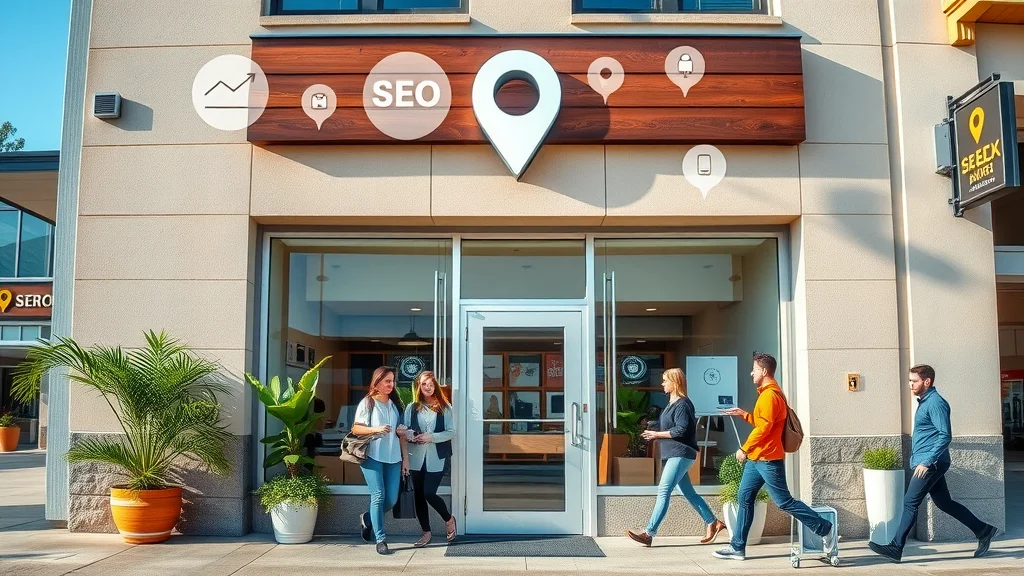
Local business storefront with digital search overlays and SEO icons floating above in a main street setting.
  • Keyword research for small businesses
  • On-page and off-page SEO overview
  • Increasing local search visibility

How to Optimize Your Google Business Profile

An optimized Google Business Profile is essential for small businesses wanting to appear in local search results. Accurate details—including business name, hours, address, phone number, and website—improve trust and relevancy for local customers. Regularly update your profile with fresh photos, posts, and responses to reviews, as this signals activity and reliability to both search engines and users. Use relevant keywords in your business description and select the right categories to help Google better connect you with interested local buyers.

Encourage satisfied customers to leave positive reviews, and always reply courteously to all feedback. This improves your profile ranking and creates a positive impression for potential customers reading reviews before making a decision. By keeping your Google Business Profile complete and active, you increase your chances of ranking in the coveted local “3-pack”—the top three listings in Google Maps results—leading to more walk-in traffic, phone calls, and online inquiries.

Appearing in Local Search Engines: A Guide for Small Businesses

Ranking well in local search engines is a top priority for any small business owner hoping to attract nearby customers. The first step is ensuring your website and listings are optimized for local SEO: use local keywords and geo-modifiers, embed Google Maps, and create city- or neighborhood-specific pages where possible. Consistent business information across all platforms—Google, Yelp, directories—signals legitimacy and enhances visibility.

Local content marketing, such as writing blog posts about community events or publishing testimonials from local clients, reinforces your local expertise. Gather backlinks from other respected local websites to improve authority. These cumulative efforts position your business as a go-to choice in your region, boosting both foot traffic and digital engagement.

Small business owner updating their Google Business Profile using a tablet in a well-lit boutique.

Content Marketing Strategies for Small Businesses

Creating Quality Content to Engage Audiences

Great content marketing starts with an understanding of your audience and a commitment to quality, value-packed information. For small businesses, content marketing isn’t just about churning out blog posts—it’s about creating material your audience loves, learns from, and shares. This could be how-to guides, customer success stories, local tips, or industry news. Content should always align with your brand’s voice and business goals, whether it’s a blog post, video, infographic, or even a useful checklist.

Consistently publishing relatable and insightful content boosts your search engine rankings, positions you as an industry authority, and helps build a loyal following. As your content library grows, so does your website’s value—in the eyes of both search engines and potential customers. Remember, quality trumps quantity: one well-researched, engaging article can outperform dozens of low-quality posts when it comes to building trust and driving action.

Creative workspace with a small business team brainstorming content marketing ideas in an office filled with colorful planning materials.

Content Marketing Best Practices for Small Businesses

To maximize the impact of your content marketing, focus on a few tried-and-true best practices. Start by researching the topics your audience cares about using keyword research tools, social listening, or even direct feedback. Prioritize authenticity—share real stories and unique insights, not just generic industry jargon. High-quality visuals and clear calls to action make your content more engaging and actionable, encouraging shares and conversions.

Schedule your content in a calendar to ensure consistency. Repurpose popular posts into new formats, like turning a successful blog post into a video tutorial or infographic. Promote your content across all digital marketing channels—SEO, email campaigns, and social media—to reach audiences wherever they spend time online. Consistent, customer-focused, and data-driven content stands out, helping small businesses grow their business and nurture deeper connections with current and potential customers.

Diverse team of small business owners recording video content in a well-lit studio corner with product samples and banners.

Repurposing Content Across Digital Marketing Channels

One powerful way to amplify your message and stretch limited resources is to repurpose content across different digital marketing for small businesses channels. A well-written blog post can become a video for YouTube, a series of social media posts, or even a segment in your email campaign. Infographics, podcasts, or quick tips can all stem from the same central topic, ensuring your time and expertise reach the widest possible audience. This approach not only saves effort but reinforces your core message consistently wherever your audience interacts with your brand.

Assess how your content performs across platforms and double down on the styles and topics that earn the most engagement. For example, popular blog posts can inspire downloadable checklists for your email list or be featured snippets in social media stories. Repurposing also makes it easier to keep your marketing calendar full while maintaining relevance and value for potential and returning customers.

Top 5 Content Marketing Ideas for Small Businesses

Email Marketing: Building and Nurturing Your Email List

Why Email Marketing Works for Small Businesses

Despite the rise of new marketing channels, email marketing continues to deliver the highest return on investment (ROI) for small businesses. Building a targeted, permission-based email list allows you to communicate directly with people who want to hear from you. Segmenting your audience—for example, by purchase history or interest—lets you send tailored content, special offers, and updates, which leads to higher open rates and more business for you.

An effective email list is the backbone of many successful digital marketing strategies. Since email marketing is less vulnerable to algorithm changes that affect social media, you retain control over your customer relationships. Whether through newsletters, product updates, or educational content, every email is a direct channel to new sales, brand loyalty, and ongoing business growth.

  • Building an effective email list
  • Segmenting audiences for tailored messaging

Crafting Successful Email Marketing Campaigns

Creating effective email campaigns means going beyond promotional blasts. Start by welcoming new subscribers with a personalized series, share valuable content regularly, and use enticing subject lines to boost open rates. Design each email to be mobile-friendly and visually appealing, keeping messages clear and focused on a single call-to-action. Segment your email list to personalize emails—whether it’s special discounts for repeat customers or useful tips for new leads—which increases engagement and satisfaction.

Regularly review analytics to understand what content, timings, or subject lines get the best results, and adjust future campaigns accordingly. A/B testing (sending two versions to see what performs better) helps refine your strategy over time. By consistently delivering valuable and relevant content, you’ll keep your audience engaged and turn your email marketing channel into a reliable source of traffic and revenue.

“Email remains the highest ROI digital marketing channel for small businesses.”

Small business professional sending an email marketing campaign from a home office with multiple digital devices.

Analyzing and Improving Digital Marketing Success

Key Metrics for Small Business Marketing Success

Tracking your progress is vital to making digital marketing work for your small business. Key performance indicators (KPIs) help you measure what matters—whether it’s website visits, new customers acquired from email campaigns, social media engagement, or leads generated through search engines. Set benchmarks in the early stages, then review metrics like click-through rates, conversion rates, bounce rates, and average order value regularly to assess what’s working.

Not every metric matters equally; choose indicators that reflect your primary business goals. For example, if your aim is to grow your business online, then increased website traffic and lead conversions will be key. If you’re strengthening local presence, focus on Google Business Profile impressions, local search rankings, and five-star reviews. Continuous measuring and tweaking help small businesses duplicate successes, test new ideas, and stay ahead of competitors.

Best Tools to Measure and Track Digital Marketing for Small Businesses

There are a variety of analytics and tracking tools designed for small business owners. Google Analytics is a free, powerful platform for monitoring website traffic, user behavior, and conversion paths. Social media platforms provide built-in reports to assess engagement, audience demographics, and content performance. Tools like Mailchimp or Constant Contact help analyze email marketing results, while SEMrush and Moz deliver valuable insights into SEO and keyword rankings.

Selecting the right combination of tools helps you visualize your marketing success, discover what resonates with your target audience, and uncover opportunities for growth. Below, we present a table comparing some of the most popular analytics and reporting tools for small business digital marketing efforts.

Tool Purpose Best Features Pricing (approx.)
Google Analytics Website analytics Traffic analysis, conversion tracking Free
Mailchimp Email marketing analytics A/B testing, list segmentation, campaign reports Free–$20/month
Hootsuite Social media management Post scheduling, social listening, analytics $19+/month
SEMrush SEO & competitive research Keyword ranking, site audits, backlink tracking $120+/month

Small business founder tracking marketing analytics on dual monitors displaying charts and graphs in a tidy office.

Expert Digital Marketing Tips for Small Businesses

  • Stay consistent with your branding across all marketing channels (website, social media, email, ads).
  • Focus on high-ROI tactics first – prioritize the digital marketing channels with proven results.
  • Leverage user-generated content and online reviews to build trust and enhance social proof.
  • Keep up with changes in social media platforms and SEO trends to maintain competitiveness.
Expert Q&A: Common Digital Marketing Mistakes Small Businesses Should Avoid

People Also Ask: Digital Marketing For Small Businesses

How can small businesses use digital marketing?

Answer: Small businesses can use digital marketing by creating a website, utilizing social media platforms, optimizing for search engines, building an email marketing list, and regularly publishing quality content to engage and attract target audiences.

What is the 70/20/10 rule in digital marketing?

Answer: The 70/20/10 rule suggests that 70% of content should be reliable/valuable, 20% should be shared from others, and 10% should be self-promotional to balance engagement and brand messaging.

What is the 3-3-3 rule in marketing?

Answer: The 3-3-3 rule advises sharing 3 pieces of content about your business, 3 about your industry, and 3 personal pieces to foster a holistic presence and relationship with audiences.

What is the 7 11 4 rule of marketing?

Answer: The 7 11 4 rule means a prospect needs to see your brand 7 times, engage for 11 hours, and interact across 4 locations (platforms or physical) to build awareness, trust, and likelihood of purchase.

FAQs: Digital Marketing For Small Businesses

  • How much should small businesses invest in digital marketing?
    A good rule of thumb is for small businesses to dedicate 7–10% of overall revenue to marketing, with an increasing share devoted to digital strategies as online channels outperform traditional ones in reach and ROI.
  • What digital marketing channels offer the highest ROI for small businesses?
    Email marketing is regarded as the highest ROI channel, followed by SEO and targeted social media advertising for most small businesses.
  • Can small businesses compete with larger brands digitally?
    Yes, with smart targeting, compelling content, and engaged audiences, small businesses can build trusted brands, nurture relationships, and succeed online alongside much larger competitors.
  • How do I know if my digital marketing is working?
    Monitor key performance metrics like website traffic, lead generation, conversion rates, email engagement, and online reviews to track the direct impact of your digital activities.

Key Takeaways: Digital Marketing For Small Businesses

  • Digital marketing empowers small businesses to increase reach and sales with limited resources
  • Choosing the right mix of digital channels is critical for success
  • Staying current with best practices ensures competitiveness

Summary and Next Steps in Digital Marketing For Small Businesses

“Now is the best time for small businesses to embrace digital marketing and fuel business growth online.”

Ready to unlock the full potential of your small business? With a clear strategy, relevant marketing channels, and actionable insights, any small business can thrive in today’s digital landscape.

Digital marketing is a journey of continuous learning and adaptation. If you’re eager to take your strategy to the next level, consider exploring advanced approaches that go beyond the basics—such as reputation management, review generation, and holistic brand building. These techniques can further elevate your online presence and foster lasting customer trust. For a broader perspective on how to strengthen your business’s reputation and drive sustainable growth, discover the latest insights on review management and strategic digital marketing. The right knowledge and tools can help you stay ahead of the competition and achieve long-term success.


Take Action: Call Or Text Us At (508)344-5927 Or Email Us At steveferguson@stevefergusonsearchenginemarketing.com

Social Media

0 Views

0 Comments

Write A Comment

*
*
Related Posts All Posts
02.21.2026

Boost Sales With Proven Engagement Tactics For Small Businesses

Did you know that companies with strong customer engagement tactics for small businesses experience 23% higher profitability? This surprising statistic underlines the immense growth potential that effective engagement strategies can unlock for small businesses—no matter your industry or budget. In an era where customers have endless choices, keeping them engaged is not just a buzzword; it’s the difference between thriving and merely surviving. This guide offers step-by-step insights, real-world examples, and actionable tactics to help your small business stand out and foster loyal, engaged customers who keep coming back. Unlocking Growth: Why Engagement Tactics for Small Businesses Matter "Did you know that companies with strong customer engagement tactics for small businesses experience 23% higher profitability?" Engaged customers are the lifeblood of any successful small business. When you invest in engagement tactics for small businesses, you open the door to repeat business, customer advocacy, and positive word-of-mouth—forces that can amplify your reputation and drive sales exponentially. Unlike large enterprises with abundant resources, small businesses must be nimble, creative, and personal in their approach. Implementing the right customer engagement strategies ensures each customer interaction feels meaningful, building lasting relationships and enhancing customer loyalty. Prioritizing customer engagement has immediate payoffs: improved customer satisfaction, higher retention rates, and a greater customer lifetime value. When customers feel valued and connected, they’re more likely to become advocates, refer friends, and provide helpful feedback. Small businesses that ignore these strategies risk falling behind, as consumers increasingly expect brands to reach them through multiple channels and provide a seamless, personalized experience. By creating an effective engagement strategy tailored to your small business, you can ensure your customers keep coming back and spreading the word about your excellent service. What You'll Learn About Engagement Tactics for Small Businesses The essentials of developing an engagement strategy for small businesses How to increase customer engagement and retention Proven engagement strategies tailored for customer experience and loyalty Step-by-step guidance on social media and customer service integration Expert insights into loyalty programs and customer lifetime value Defining Engagement Tactics for Small Businesses: Key Components What Is Customer Engagement for Small Businesses? Customer engagement for small businesses goes beyond simple transactions. It’s about creating meaningful, ongoing interactions that build trust and make customers feel like an important part of your story. Engaged customers willingly participate in your brand’s activities—whether that means providing customer feedback, sharing your content on social media, joining a loyalty program, or simply coming back to your store again and again. Effective customer engagement is the process of nurturing relationships at every stage of the customer journey. From first awareness to post-purchase follow-up, every touchpoint offers a chance to delight your customers and turn them into loyal advocates. For small businesses, where every customer interaction counts, prioritizing these strategies strengthens your brand, drives long-term growth, and differentiates you from competitors. Core Elements of an Effective Engagement Strategy A standout engagement strategy doesn’t happen by accident—it’s carefully built around core principles tailored to the distinctive strengths of small businesses. Personalization forms the backbone, ensuring each customer feels recognized and understood. Timely communication—whether through calls, emails, or in-person check-ins—shows that you’re responsive and care about their experience. Exceptional customer service cements trust, while value-driven interactions go beyond selling to genuinely help and serve your audience. Personalization Timely communication Responsive customer service Value-driven interactions By weaving these elements into your customer engagement strategies, your small business will not only increase customer engagement but will also transform occasional buyers into loyal, engaged customers. The secret lies in consistency; making every interaction, big or small, count towards building trust and reinforcing your brand’s commitment to its community. Building Your Customer Engagement Strategy Mapping the Customer Journey: Existing Customer and New Lead Tactics To design truly effective engagement tactics for small businesses, it’s crucial to map the entire customer journey—from initial contact to loyal repeat purchase. New leads need a warm welcome and helpful information, while an existing customer craves ongoing connection and thoughtfulness. By identifying each touchpoint, you can tailor your communication and offerings to meet your audience’s evolving needs. For new leads, possibilities include interactive webinars, engaging social media content, and personalized emails. For loyal customers, create exclusive deals, loyalty program offers, and solicit feedback to strengthen the relationship. Segmenting your strategies ensures you deliver the right message at the right time, building both trust and excitement. An engaged customer is more likely to come back, refer friends, and leave glowing reviews. The more you map and optimize each step in the journey, the more effectively you can increase customer engagement—and see concrete results in your bottom line. As you refine your approach, consider how integrating targeted social media marketing can further enhance your engagement efforts. Leveraging platforms strategically not only boosts visibility but also creates more opportunities for meaningful customer interactions. For practical tips on optimizing your social presence, explore this guide to social media marketing for small businesses. Best Practices for Engagement Strategies in Small Businesses Segmentation and targeting Omnichannel communication Continuous feedback loops Segmentation allows you to tailor your engagement strategy—grouping customers by preferences, purchase history, or behavior. With omnichannel communication, your brand remains accessible through email, chat, phone, and social media, meeting customers where they feel most comfortable. Finally, a cycle of continuous feedback—from surveys to in-person conversations—ensures you stay responsive, evolving your approach to deliver what your customers really want. A living, adaptable customer engagement strategy empowers your small business to outpace the competition, even with limited resources. Each improvement—however small—multiplies over time, leading to lasting customer loyalty and higher sales. Case Study: A Small Business Success Story "Implementing engagement tactics for small businesses helped us double our repeat purchase rate in six months." — Local Retailer One local boutique was experiencing stagnant growth—until they focused on customer engagement. By introducing a personalized loyalty program, sending follow-up emails after each purchase, and actively responding to customer feedback, they made customers feel like VIPs. The results were dramatic: not only did repeat visits soar, but the brand’s reputation spread quickly through word-of-mouth referrals. This transformation illustrates how even the smallest of engagement strategies can yield outsized impacts—helping a small business create a loyal customer base and compete against much larger brands. Top Engagement Strategies for Small Businesses Leveraging Social Media for Customer Engagement Social media is a powerful, cost-effective tool for small businesses looking to build relationships and keep customers engaged. Platforms like Facebook, Instagram, and TikTok provide opportunities to share behind-the-scenes content, promote special offers, and engage in real-time conversations. By replying to comments, hosting Q&A sessions, and spotlighting loyal customers, you create a community that feels valued and heard. Strategic use of social media not only increases visibility—it lets your brand personality shine while collecting invaluable insights through direct customer interaction. The best engagement strategies use data to post content when your audience is most active and foster genuine conversations—not just broadcasts. By inviting feedback, sharing user-generated content, and addressing concerns quickly, your customer engagement strategy adapts to what works, keeping your customers engaged and coming back for more. Enhancing Customer Service for Lasting Loyalty Outstanding customer service is the backbone of any successful small business. When customers feel heard and supported, they’re far more likely to recommend your business and return themselves. Respond promptly to inquiries across multiple channels—whether by phone, email, or social media. Empower your team to resolve issues quickly and effectively, exceeding expectations whenever possible. Making every customer feel like an important part of your business builds trust and encourages repeat business. Providing follow-up care, remembering preferences, and proactively checking in on satisfaction signals that your engagement doesn’t stop at the sale. These personal touches form the foundation of a small business’s loyalty and growth engine. Loyalty Program Fundamentals: Rewarding Loyal Customers Loyalty programs incentivize repeat purchases, making your top customers feel truly appreciated. Whether you offer points, discounts, or exclusive experiences, a thoughtfully structured loyalty program strengthens the customer-business relationship. For small businesses, keep things simple: easy sign-ups, transparent rewards, and personalized touches ensure the program is enticing and user-friendly. Successful loyalty programs do more than increase sales—they collect valuable data and provide insights into your customer lifetime value. By recognizing your repeat buyers and rewarding their ongoing support, you create an environment where customers are motivated to keep coming back, thus boosting both retention rates and word-of-mouth referrals. Personalization: Creating Unique Experiences Email marketing segmentation Custom offers Personalized support Personalization means more than using a customer’s name in an email—it’s about customizing experiences, offers, and service based on each customer’s preferences and purchases. With email marketing segmentation, you can send tailored content or promotions that directly appeal to specific customer groups. Personalized support such as remembering past issues or providing custom product recommendations makes customers feel valued. The impact of personalization goes beyond the immediate sale—it deepens customer trust, fosters loyalty, and increases customer lifetime value. When your small business consistently delivers unique, relevant experiences, customers are more likely to share their positive experiences and become vocal brand advocates. Innovative Events and Community-Building Hosting local events, workshops, or participating in community initiatives humanizes your brand and establishes your business as a vital part of the neighborhood. These opportunities create authentic connections and foster a sense of belonging among your customers. Whether you host a grand opening, themed nights, or free educational sessions, events give you a platform for relationship-building. Beyond traditional sales and marketing, these activities generate buzz, encourage social sharing, and further embed your small business in the fabric of your community. In a world where connection and authenticity matter, community-building can be your most powerful—and cost-effective—engagement tactic. Table: Engagement Tactics for Small Businesses Versus Large Enterprises Tactic Small Businesses Large Enterprises Personalization High Moderate Speed of Response High Moderate Resource Investment Low High Platform Focus Local/Social Omnichannel Measuring Success: How to Increase Customer Engagement and Track Progress Key Metrics for Tracking Customer Engagement Retention Rate Net Promoter Score (NPS) Customer Lifetime Value Measurement turns guesswork into growth. To know if your engagement tactics for small businesses are working, track key metrics such as retention rate (the percentage of customers who keep coming back), Net Promoter Score (gauging customer satisfaction and willingness to recommend), and customer lifetime value (how much a customer is worth over their relationship with your business). These numbers provide clarity on what’s working—and where you need to adapt. By benchmarking your customer engagement strategy against these metrics, your small business can spot patterns, celebrate wins, and fine-tune tactics for even greater impact. Make sure you monitor progress regularly, so you can make timely adjustments and continuously improve the customer experience. Feedback Mechanisms and Continuous Improvement The best small businesses never stop listening to their customers. Use surveys, online reviews, suggestion boxes, and direct conversations to collect actionable customer feedback. Analyze this feedback to identify trends, pinpoint issues, and spot new opportunities. Being proactive about gathering and implementing feedback not only solves problems faster but also makes your customers feel heard—strengthening their connection to your brand. "If you cannot measure it, you cannot improve it." — Peter Drucker Continuous improvement is essential in today’s ever-changing market. Regularly updating your engagement strategy based on real-world data keeps your small business agile, relevant, and trustworthy in your customers’ eyes. People Also Ask: Engagement Tactics for Small Businesses What is the 7 11 4 rule of marketing? The 7 11 4 rule of marketing states that, on average, a potential customer must interact with a brand at least 7 times in 11 different ways over 4 separate locations before making a purchase. For small businesses, this highlights the importance of consistent, multi-channel engagement tactics—such as emails, social media posts, and in-person events—to build trust and increase the likelihood of turning leads into buyers. What are the 4 P's of customer engagement? The 4 P's of customer engagement are: Personalization, Participation, Purpose, and Partnership. Personalization ensures every interaction feels tailored. Participation encourages customers to engage through feedback or events. Purpose connects your brand to a bigger mission, appealing to values. Partnership involves collaborating with customers to co-create products or experiences. Together, these pillars help small businesses create loyal, engaged customers. What are the 4 drivers of engagement? The four primary drivers of engagement are: Emotional Connection, Trust, Value, and Consistency. For small businesses, forming an emotional bond with customers and consistently delivering value through products and interactions are crucial. Trust is built through transparency and reliability, while consistency reinforces brand expectations and fosters loyalty over the long term. What are the 4 types of engagement? The four common types of engagement are: Contextual (based on relevance at the moment), Emotional (how customers feel about your brand), Active (direct participation like reviews or events), and Passive (following on social media or subscribing to emails). A well-rounded customer engagement strategy for small businesses addresses all four, ensuring customers feel connected no matter how they interact with your brand. Implementing Engagement Tactics for Small Businesses: Actionable Steps Audit your current customer engagement strategy Set measurable goals for customer engagement Select tools/platforms based on your small business needs Train staff on new engagement strategies and customer service best practices Track, measure, and adapt based on real results Building an effective customer engagement strategy doesn’t need to be overwhelming. Begin by auditing your current tactics—what’s working and what isn’t? Set clear, measurable objectives and select the tools or platforms that fit your budget and audience. Train your staff to deliver personal, outstanding customer service across all channels. Finally, commit to tracking performance and adjusting your approach as you learn more about what keeps your customers engaged. Expert FAQs on Engagement Tactics for Small Businesses How do I know which engagement tactics are right for my small business? Test a few approaches, collect feedback, and analyze results. Start with what aligns best with your customer base and market, then refine your engagement strategy based on real-world outcomes. What technology helps increase customer engagement? Tools like email automation, CRM software, and social media management platforms streamline communication and personalize customer experiences—making it easier to track preferences and interactions. How quickly should I see results from a new engagement strategy? Results vary, but small improvements in response times, satisfaction scores, and repeat purchases can show up within a few months. Track key metrics regularly for the clearest picture. Is it possible to personalize customer engagement at scale for small businesses? Yes—leveraging automation and segmentation allows even the smallest business to deliver relevant, targeted communications efficiently, making every customer feel seen and valued. Key Takeaways: Engagement Tactics for Small Businesses Strong engagement strategies drive repeat business for small businesses Customer engagement strategies must be tailored to your specific market Loyalty programs and personalized service are critical for retention Track and refine your tactics for ongoing improvement Ready to Amplify Your Customer Engagement? Customer engagement is the engine propelling small business growth. Don’t leave your success to chance. Call or text us at (508)344-5927 or email us at steveferguson@stevefergusonsearchenginemarketing. com to start building an engagement strategy that truly sets your business apart! If you’re eager to take your engagement strategy to the next level, consider exploring broader digital marketing approaches that can further amplify your results. By understanding how review management, SEO, and integrated online tactics work together, you’ll unlock even more ways to connect with your audience and drive sustainable growth. Discover more about comprehensive digital marketing solutions and how they can elevate your small business’s presence and reputation.

02.21.2026

Social Media Advertising: Avoid These Costly Mistakes

Did you know that businesses waste nearly 30% of their digital ad budgets on avoidable mistakes in social media advertising? If you’re investing in paid ads across social media platforms, understanding what not to do is just as important as knowing what works. This comprehensive guide unpacks the risks, reveals the most expensive blunders, and equips you with actionable strategies to help you maximize your results—without burning through your budget. A Startling Look at Social Media Advertising: The Hidden Pitfalls Social media advertising promises unparalleled reach, precision targeting, and quick returns. But beneath the surface, countless businesses fall into traps that quietly erode their ad spend and undermine campaign performance. From choosing the wrong media platform to neglecting ad creative, these hidden pitfalls can turn a promising digital marketing strategy into a costly mess. As platforms like Facebook, Instagram, and TikTok unlock more advertising options, the stakes—and complexity—are rising for brands of all sizes. Even the most experienced marketers risk wasting valuable resources if they don’t understand the nuances of media ads on each social media platform. To get ahead, it’s not enough to simply launch a campaign and hope for the best. A deep understanding of social media ad mistakes, paired with best practices in targeting, testing, and creative design, is essential. Are you confident you’re not making these expensive errors? Let’s dive into the impact of avoidable mistakes and why a strategic, data-driven approach is crucial to your advertising success. Understanding the Impact of Social Media Ad Mistakes "Businesses waste an estimated 30% of their digital ad budgets due to avoidable mistakes in social media advertising." When it comes to media advertising, every dollar counts. Even small missteps—like targeting the wrong audience, selecting an ineffective social platform, or running untested ad creative—can rapidly diminish your return on investment (ROI). For example, promoting video ads to users uninterested in that format or launching Facebook ads without proper audience research can lead to dismal engagement and wasted spend. These mistakes not only reduce campaign performance but also impact long-term brand reputation and audience trust. Learning from both your own campaign data and industry best practices ensures your media ads remain efficient and effective. By carefully analyzing results and continuously optimizing, successful brands keep their advertising campaigns lean, results-oriented, and less vulnerable to budget-draining errors. For those looking to further refine their approach and avoid common pitfalls, exploring additional social media marketing strategies can provide practical insights into campaign optimization and audience engagement. What You'll Learn About Social Media Advertising Common pitfalls and mistakes in social media advertising Best practices to optimize your social media ad strategy How to select the right social media platform for your media advertising Real-world examples and solutions for successful social ad campaigns What is Social Media Advertising? Social media advertising is a form of digital marketing that leverages social media platforms—such as Facebook, Instagram, TikTok, Twitter, and LinkedIn—to promote products, services, or brands through paid ads and sponsored posts. Unlike traditional advertising channels, social media ads use advanced data analytics and targeting options to reach highly specific audiences based on demographics, interests, online behavior, and more. Modern brands rely on media advertising to build brand awareness, drive traffic, generate leads, and increase sales. The unique flexibility of each social platform—offering custom ad formats, comprehensive targeting, and real-time performance metrics—empowers marketers to launch campaigns that adapt quickly to changing trends and user feedback. Whether you’re running a Facebook ad with detailed targeting or experimenting with viral TikTok ads, the possibilities in social media advertising are vast and ever-evolving. The Role of Social Media Platforms in Modern Media Advertising Each social media platform offers distinct advantages and challenges for advertisers. Facebook provides robust demographic targeting, Instagram shines for visually-driven campaigns, TikTok and YouTube excel with creative video ad formats, and LinkedIn is ideal for B2B marketing. By utilizing the strengths of each media platform, brands can tailor their advertising approach to reach their target audience more effectively. The diversity in media ads formats and channel features means there is no one-size-fits-all strategy—the key is to match campaign objectives with the platform that offers the best tools and audience alignment. Success in media advertising hinges on understanding both the platform’s audience and the ad formats that perform best. For example, video ads tend to thrive on TikTok and YouTube due to strong user engagement with short-form media, while Instagram Stories are powerful for time-sensitive promotions. Mastering these nuances sets apart high-performing social ads from those that simply blend into the background. How Social Media Ads Differ From Traditional Media Ads Traditional media ads—like print, radio, and television—rely on broad audience reach and less granular performance tracking. In contrast, social media ads are laser-focused, highly measurable, and often more cost-effective. With real-time analytics and targeting options unavailable in legacy channels, businesses can optimize their advertising campaign on-the-fly, leveraging detailed insights to refine creative, audience, and budget allocations. This digital-first approach dramatically amplifies both reach and ROI, making social media advertising an indispensable tool in the modern marketer’s arsenal. Feature Social Media Advertising Traditional Media Advertising Reach Global, precise targeting by demographics/interests Broad, less targeted (regional or national) Cost Flexible budgets, cost-effective (CPC, CPM) High, fixed budgets (TV/Print rates) Targeting Options Advanced (behavioral, lookalike, remarketing) Limited (general audience) Flexibility Real-time editing, instant optimization Long lead times, limited adjustment Ready to Master Social Media Advertising? Call Or Text Us At (508)344-5927 Or Email Us At steveferguson@stevefergusonsearchenginemarketing.com Take action today to amplify your marketing results and avoid costly social media advertising mistakes. Reach out for expert guidance by calling or texting (508)344-5927 or emailing steveferguson@stevefergusonsearchenginemarketing. com. If you’re eager to elevate your digital marketing beyond just avoiding mistakes, consider exploring the broader landscape of social media marketing as a whole. By understanding how advertising fits into a comprehensive strategy—including organic content, community engagement, and reputation management—you’ll unlock new opportunities for growth and brand loyalty. Delving into advanced tactics and holistic approaches can help you stay ahead of trends and competitors. Take the next step to transform your social presence into a powerful engine for business success.

02.20.2026

Which Social Media Platforms For Business Work Best?

Did you know? More than 90% of small businesses attribute new customer acquisition to at least one social media platform. In today’s digital marketplace, choosing the right social media platforms for business can make or break your growth, engagement, and ultimately your success. Unlocking Success: Why Choosing The Right Social Media Platforms For Business Matters In 2024, the digital landscape has never been more competitive for small businesses. Social media is not just an optional marketing channel—it’s the backbone of brand awareness, lead generation, and customer loyalty. Every business owner faces the same question: which social media platforms for business deliver the highest ROI and best engage your target audience? Whether you’re a new entrepreneur or an established small business, your time and resources are precious. Investing in the most suitable platforms ensures each media post, video content, and campaign finds your potential customers. Data shows that businesses using targeted social platform selection increase their conversion rates and reduce waste on ineffective media marketing. Picking the right media platform means more than just having a presence—it's about engaging with customers in ways that actually drive results. Read on for a strategic breakdown of how you can maximize your success by making savvy media management choices for your business. "Over 90% of small businesses attribute new customer acquisition to at least one social media platform." What You’ll Learn In This Guide To Social Media Platforms For Business Key benefits of the top social media platforms for business and small business How social media marketing and media platform selection impacts ROI Tips for optimizing your social media management and media management strategy Understanding Social Media Platforms For Business: Core Principles What Makes A Social Media Platform Valuable For Small Business? For small businesses, not all social media platforms are created equal. The best media platforms for your business are those that not only have a robust pool of active users but also align with your target audience and type of content. A valuable social media platform should make it easy for your brand to create engaging media posts, build authentic relationships, and drive both organic and paid results. Accessibility, ease of integration with AI tools or similar technologies, and strong analytics dashboards are additional essential features. For many small business owners, choosing the right social media platform means narrowing on places where you can both showcase your products or services and interact seamlessly with potential customers. Additionally, businesses benefit most from platforms that offer multimedia versatility—such as video content, stories, and live streams—and allow for the scheduling and automation of social media posts for efficient media management. The best social media management strategy involves understanding where your potential customers already spend their time and ensuring your business is ready to meet them there with compelling content. This customer-centric approach leads to higher engagement and better ROI from your media marketing investments. Media Platform Trends: What’s Driving Results In 2024? The year 2024 brings fresh momentum for social media platforms for business. The dominance of short-form video content (think TikTok and Instagram Reels) continues to rise, with audiences craving quick, authentic, visually-dynamic experiences. At the same time, platforms like LinkedIn have ramped up their B2B lead generation tools, making niche communities and professional networking even more effective for small businesses. With over a billion monthly active users on platforms like Facebook and YouTube, your business’s posting schedule and media management must prioritize adaptable content that can be repurposed across multiple channels. Across all top social platform options, trends like AI-powered audience segmentation, personalized recommendations, and seamless ecommerce integrations are driving results for marketers and entrepreneurs alike. This means media management is less about random posting and more about data-driven decisions. Brands that listen and adapt to platform-specific algorithm changes—while still delivering valuable and consistent social media posts—see exponential growth, increased brand awareness, and deeper loyalty from potential customers. List Of Top Social Media Platforms For Business And Their Unique Features Facebook: Broad Reach for Small Businesses Instagram: Visual Storytelling Power LinkedIn: B2B Lead Generation Hub Twitter (X): Real-Time Engagement for Brands TikTok: Short-Form Video Virality YouTube: Long-Form & How-To Media Marketing Pinterest: Niche Visual Discovery Platform Platform Primary Audience Strengths Weaknesses Best-Use Scenarios Facebook Adults 25-54, global reach, 2.9B+ monthly active users Targeted advertising, business pages, groups Organic reach declining, younger audiences prefer others Brand awareness, local marketing, community building Instagram 18-34, highly visual, 1.4B+ monthly active users Image/video content, Stories, Reels, influencer marketing High competition, requires consistent visuals Product promotion, lifestyle branding, visual storytelling LinkedIn Professionals, B2B, 900M+ active users Lead generation, networking, thought leadership Slower engagement, B2C not ideal B2B outreach, recruiting, corporate branding Twitter (X) Broad, news-focused, 368M+ monthly active users Real-time updates, hashtags, viral engagement Fast-moving, brevity limits detail Brand monitoring, PR, customer service TikTok Younger (16-24), global, 1B+ monthly active users Viral video, creative trends, influencer reach Steep learning curve, niche audience Viral campaigns, brand personality, creative launches YouTube All ages, video-first, 2.5B+ monthly active users How-to content, long/short video (YouTube Shorts), SEO High production time, algorithm-driven Education, product demos, expertise branding Pinterest Primarily female, DIY, shopping, 450M+ monthly active users Visual discovery, evergreen content, shopping tools Niche interest, not for all industries Ecommerce, lifestyle brands, evergreen guides How To Identify The Best Social Media Platforms For Your Target Audience Aligning Social Platform Features With Your Business Goals To select the most impactful social media platforms for business, you first need to align platform features with your short- and long-term business objectives. Are you looking to boost brand awareness, increase ecommerce sales, or generate B2B leads? For example, Facebook and Instagram fit businesses seeking broad brand reach and visual storytelling, while LinkedIn is optimal for B2B networking and thought leadership. Each media platform provides unique features—like YouTube’s video content capabilities and TikTok’s trend-oriented engagement—that can either push your goals forward or result in wasted effort if misaligned with your strategy. Consider your resources, such as the ability to consistently produce video content, maintain an engaging posting schedule, and track metrics with advanced analytics or AI tools. A successful small business owner or marketer reviews these factors and invests in channels where their media posts connect authentically with potential customers. Ultimately, the best approach is to pilot different social media platforms, analyze performance, and focus your energy where you see true growth and engagement with your business’s target audience. Target Audience Research For Effective Social Media Marketing Your target audience lies at the heart of every effective social media marketing plan. Knowing who they are—demographics, interests, online habits—will guide you to invest in the right social media platform. Conducting thorough research with audience analytics tools, persona surveys, and social listening empowers you to locate which media platforms they frequent. For instance, a B2B company benefits more from LinkedIn, while creative consumer brands thrive on Instagram or TikTok. Don’t simply follow industry trends—base your platform choices on real audience data. Using platform insights—like monthly active users, engagement rate, and type of content users prefer—enables you to tailor your content calendar and media marketing strategy. The most successful small businesses use these insights to develop a highly targeted and personalized posting schedule, resulting in increased engagement, conversions, and business growth. Always stay adaptive: audience behaviors evolve, so periodically reevaluate your social platform focus for maximum ROI. For a deeper dive into actionable tactics and proven methods for elevating your brand’s presence, explore this comprehensive resource on social media marketing strategies tailored for small businesses. It covers practical steps to optimize your campaigns and maximize engagement across today’s leading platforms. Social Media Management Tips: Getting The Most Out Of Every Media Platform Content Planning Strategies for Social Media Platforms: Build a content calendar to maintain consistency, plan campaign objectives, and align with trending topics. Effective Media Management Best Practices: Use scheduling tools or AI tools to optimize your posting schedule and automate repetitive tasks. Track brand awareness and analyze results to refine your strategy. Choosing Tools for Multi-Platform Social Media Management: Select platform-agnostic social media management tools that centralize content, analytics, and team workflows for streamlined media posts, saving time and reducing stress for fast-moving small businesses. Watch this short explainer to see a business owner map out a successful social media strategy—including how to select top platforms, reach target audiences, and launch your first campaigns. People Also Ask: Social Media Platforms For Business What is the 5 3 2 rule for social media? The 5-3-2 rule offers small businesses a balanced approach for their social media posts: out of every 10 posts, 5 should be curated from others (relevant third-party content), 3 should be your own original and informative content (such as thought leadership or behind-the-scenes), and 2 should be posts that humanize your brand (personal, non-promotional snippets). This strategy keeps your feed well-rounded and boosts engagement by offering value to your audience. What is the 3 3 3 rule in marketing? The 3 3 3 rule in marketing proposes dividing your communication into three parts: 3 pieces for informing and educating your audience, 3 for engaging and entertaining, and 3 for promoting your products or services. By diversifying your social media marketing efforts, small businesses can keep their communities interested without being too sales-driven and build sustainable relationships with their target audience. What are the 7 types of social media? The seven types of social media include: (1) Social networking (e. g. , Facebook), (2) Bookmarking sites (e. g. , Pinterest), (3) News/discussion forums (e. g. , Reddit), (4) Media sharing networks (e. g. , Instagram, YouTube), (5) Microblogging platforms (e. g. , Twitter), (6) Community blogs (e. g. , Tumblr), (7) Review sites (e. g. , Yelp). Each platform type serves different business needs and can be leveraged to engage with customers and build brand awareness in unique ways. What is the 5 5 5 rule for social media? The 5 5 5 rule suggests that for every five days, you should (1) share five interesting or educational posts, (2) engage five times with your audience (comments, likes, direct messages), and (3) follow five new people or brands. For small businesses, this rule promotes active, daily engagement, strengthens relationships, and expands your social media platform reach organically. FAQs: Making The Most Of Social Media Platforms For Business How do I choose between social media platforms for business? Analyze your target audience’s demographics, online behavior, and preferred content type. Match those insights to the strengths of each social platform, then test your results to optimize performance. What’s the best media platform for small businesses? The best social media platform depends on your industry, audience, and goals. Facebook and Instagram work well for most, while LinkedIn is ideal for B2B small businesses seeking professional connections. Can I automate social media management to save time? Yes! Use social media management tools to schedule posts, monitor analytics, and automate responses. This streamlines your posting schedule and lets you focus on business growth. How do I measure ROI from social media marketing? Track key metrics like engagement rates, click-throughs, new leads, and sales conversions. Use built-in analytics and pair them with external tools for a full picture of your results. Is it better to focus on paid or organic social media platforms? Both strategies have value; organic posts build trust, while paid advertising amplifies reach. The optimal mix for your small business will depend on your resources, goals, and timeline. See how real small business owners leveraged the right social media platforms to rapidly scale sales, launch new products, and drive lasting customer loyalty. Key Takeaways: Social Media Platforms For Business Success Selecting the right social media platform for your business drives higher engagement and ROI. Align social media platforms with business objectives and target audience. Effective social media management tools are vital for small businesses. If you’re ready to take your business’s digital presence to the next level, consider expanding your knowledge beyond platform selection. Delving into advanced social media marketing strategies can help you build a cohesive brand voice, foster deeper customer relationships, and unlock new growth opportunities. For a broader perspective on how to integrate review management, reputation building, and holistic online marketing, visit our expert guide to social media marketing and review management. Discover how a strategic approach can transform your business’s online impact and set you apart in a crowded marketplace. Ready To Grow? Connect With Us To Maximize Your Social Media Platforms For Business Your business deserves a social media strategy that delivers measurable growth. Call or text us at (508)344-5927 or email us at steveferguson@stevefergusonsearchenginemarketing. com to book your free consultation and start maximizing your social media platforms for business today!

Terms of Service

Privacy Policy

Core Modal Title

Sorry, no results found

You Might Find These Articles Interesting

T
Please Check Your Email
We Will Be Following Up Shortly
*
*
*