
Here’s a fact that might surprise you: 46% of all Google searches have a local intent. This means nearly half of potential customers are looking for businesses just like yours, right in their own neighborhoods. Are you showing up where it matters most? Dive in to discover local SEO tips that will empower your business to dominate local search rankings and attract more nearby customers than ever before.
Unlocking the Power of Local SEO: A Surprising Statistic to Get You Started
Local SEO isn’t just a buzzword—it’s a proven strategy for putting your business in front of customers ready to buy. Did you know that almost half of all Google searches are seeking local information? For businesses aiming to win on their home turf, harnessing local search is nonnegotiable. Acting on the right local SEO tips early can transform your search ranking, bringing more phone calls, foot traffic, and sales to your door. By staying proactive and understanding the mechanics of local search, even small businesses can stand out against larger competitors in their area.
By the end of this guide, you’ll be equipped to build a winning SEO strategy based on proven tactics and actionable insights. Whether you’re just starting or looking to refine your approach, the secret to getting results is consistency—optimized business profiles, quality local content, and reputation management all come together to build your presence in neighborhood searches. If you want to attract customers who are actively searching for services and products like yours, keep reading for comprehensive, easy-to-implement local SEO tips guaranteed to boost your local search engine optimization efforts.

Did You Know? 46% of All Google Searches Are Local
When you realize nearly half of all Google searches are local, the importance of local SEO tips becomes clear. Businesses that capitalize on this trend get ahead by meeting customers exactly where they are. Think beyond just being listed—are you visible, attractive, and easy to find in local searches? Ensuring your business profile and details are accurate, engaging, and optimized can dramatically improve your search ranking and directly impact the volume of business you receive. This statistic is a wake-up call: if you’re not targeting local SEO, you’re leaving a sizable slice of the market on the table.
What You’ll Learn From These Local SEO Tips
- Comprehensive understanding of local SEO tips
- How local search impacts your business visibility
- Effective local seo strategy development
- Practical seo tips for immediate search ranking improvements
- Optimization of your google business profile and google my business listing
- Best practices for search engine optimization at the local level
Local SEO and Local Search: Why They Matter for Your Business
The Fundamentals of Local SEO Tips and Strategy
At its core, local SEO is about making your business stand out in your immediate geographic area. Search engines like Google prioritize relevance and proximity when showing results to users who are looking for local solutions. This means your business must send strong local signals—everything from accurate business listings and keyword-rich content to a robust Google Business Profile—to appear in local search results. Effective local SEO tips begin with understanding these basics: claiming your listings, optimizing your on-page information, and ensuring your contact details (like your phone number and address) are consistent everywhere the business appears online.
Beyond the technical aspects, your approach to local search should be rooted in what your customers actually want. Think about how people in your neighborhood look for businesses like yours. What words do they use? What information are they searching for? With the right local SEO strategy, you’ll connect directly with those local customers, ensuring your offers are front and center when it matters most.

Connecting With Your Audience Through Local Searches
Local SEO isn’t just about algorithms; it’s about relationships. Successful businesses know that connecting with nearby audiences means making every touchpoint clear and accessible—on Google Maps, in local directories, and in your website content. By understanding your local customers and answering their needs, you build loyalty and trust that not only improve search rankings but also drive repeat business. Optimized business profiles, current information, and a strong community presence lay the groundwork for visibility and credibility in all local searches.
"If you aren’t optimizing for local search, you’re losing out on nearly half of potential customers right in your neighborhood."
When you show up consistently across all platforms and interact authentically with customer reviews and feedback, your business becomes the go-to resource in your area. The most impactful local SEO tips are those that help you speak your customers’ language—all while working with search engine optimization in mind.
As you refine your local SEO approach, it's also important to consider how your business is perceived online. Proactive review management strategies can significantly enhance your reputation and support your efforts to climb local search rankings.
Understanding Search Engine Fundamentals for Local SEO
How Search Engines Rank Local Businesses
Search engines use complex algorithms to determine which businesses appear in local search results. The main factors include proximity, relevance, and prominence. Proximity refers to how close your business is to the searcher, while relevance relates to how well your listings and content match the searcher’s query. Prominence is built through reviews, links, and robust online presence. Consistently applying the right local SEO tips—like updating your business information, using relevant keywords, and encouraging reviews—will enhance your business’s appeal in search engine eyes and boost your ranking above competitors.
To improve your local search engine ranking, make sure that your Google Business Profile and other business listings are thoroughly completed and accurate. Using structured data (schema markup), gathering local citations, and collecting quality backlinks are also essential. With these steps, even smaller local businesses can secure top spots for relevant searches, driving more customers right to their doors.
The Impact of Engine Optimization on Local Business Visibility
Optimizing for search engines means speaking their language as much as you speak your customers’. Quality content, accurate data, and active engagement signal trustworthiness, encouraging Google to include your business higher in search results. For local businesses, engine optimization is an ongoing process; changes in algorithms or competitor activity may affect your standing. That’s why regular reviews of your SEO strategy—and adapting to new trends—help keep your business visible and competitive over time.
Whether it’s updating your business info across platforms or integrating keywords about your neighborhood, these details work in tandem to enhance your search rankings. Local SEO is as much about attention to detail as it is about building relationships, all rooted in best practices for search engine optimization at the local level.
Local SEO Tips: Building Your Google My Business and Google Business Profile
Creating an Effective Google My Business Listing
Your Google My Business listing is often the first thing potential customers see when searching for local businesses. Setting up and optimizing your profile is essential for standing out. Begin by claiming your listing, verifying your details, and filling in every possible field—including your business categories, services, photos, and business hours. Use a local phone number and a physical business address to strengthen your profile’s credibility. Regular posts and updated media help your business appear active, which boosts engagement and search ranking on Google Maps and in local searches.

Remember, your business profile isn’t set-and-forget. Stay on top of customer questions, respond to reviews, and use the data Google provides to understand what customers are searching for. This proactive approach leads to greater visibility and better connections with local audiences—crucial for dominating your neighborhood market.
Optimizing Your Google Business Profile for Maximum Reach
Optimization doesn’t stop at completion. Enrich your Google Business Profile with keyword-rich descriptions, professional photography, and regular updates. Ensure your service areas are accurate for broader local reach. Encourage customers to leave detailed reviews and be responsive to both praise and criticism—Google notices this interaction and factors it into search rankings.
Take full advantage of Google’s categories, attributes, and FAQs. Highlight accessibility options, special services, and unique selling points to help your business stand out in search results. By implementing these local SEO tips, your profile will become a magnet for local customers actively searching for your offerings.
Business Profile Best Practices to Enhance Local Search Rankings
To consistently rise in local search rankings, treat your business profile as a dynamic marketing tool. Double-check NAP consistency—your Name, Address, and Phone Number should be identical on every listing and your website. Replies to customer reviews, high-resolution photos, regular business hour updates, and clear service descriptions work together to reinforce your legitimacy and credibility with search engines and potential clients alike.
Integrate local keywords naturally, mention nearby landmarks or popular neighborhoods, and make use of Google Posts to share events and promotions. These strategies ensure your profile is both customer-friendly and optimized for search engine algorithms, further improving your visibility in local search results.
Mastering Local Citation and Business Listing for Improved Search Ranking
What Are Local Citations and Why Do They Matter in Local SEO?
Local citations are mentions of your business’s name, address, and phone number on other websites, directories, and citation sites. These citations act as digital trust signals for search engines, verifying that your business is rooted within your geographic area. Proper citation building is one of the cornerstone local SEO tips for higher search ranking in neighborhood queries. The more reputable sites that accurately reference your business info, the more confident Google is in displaying your business at the top of local search results.
Citations not only reinforce NAP consistency but also drive referral traffic from local directories and review platforms. Being present, consistent, and active across high-authority sites is vital for improved rankings and building trust with potential customers who rely on these resources to find local businesses.
How to Build and Maintain Accurate Business Listings
Start with major local business directories—Google, Yelp, Bing Places, and Facebook—before branching out to niche platforms and local chamber of commerce websites. Ensure your business information is identical on every site to avoid confusion and ranking penalties. Use online tools or hire citation management services to monitor for duplicates and inaccuracies.
Establish a routine to regularly audit your local listings, correcting outdated addresses, phone numbers, or service offerings. Encourage happy customers to leave positive reviews on directories, further boosting your visibility and authority. Consistent monitoring and proactive updates enhance your search engine optimization and keep your business at the top when locals are searching for your services.
| Source | Features | Authority | Cost | Impact on Local Search |
|---|---|---|---|---|
| Google Business Profile | Maps integration, reviews, posts | Very High | Free | Excellent |
| Yelp | Reviews, photos, business messaging | High | Free/Ads | High |
| Bing Places | Microsoft integration, reviews | Medium | Free | Good |
| Business info, messaging, ratings | High | Free/Ads | High | |
| Local Chamber Websites | Directory listings, member perks | Medium | Membership Fee | Good |
On-Page Optimization: Local SEO Tips for Your Website

Optimizing Title Tags and Meta Descriptions for Local Search
Search engines scan your website’s title tags and meta descriptions to determine what your business offers and where you’re located. Incorporate location-specific keywords—like your city, neighborhood, or service areas—into these key on-page areas for a stronger local search presence. Titles should be concise, relevant, and include your primary keyword next to your business name (e. g. , “Top Florist in Boston | Jane’s Flower Shop”).
Meta descriptions act as your online pitch, enticing users to click by highlighting your unique selling points and local ties (“Award-winning Brooklyn bakery with custom cakes for every occasion!”). Consistently following these local SEO tips for on-page optimization ensures your website tells both users and search engines why your business is the local favorite.
Integrating Location Keywords for Enhanced Local Search Rankings
To enhance your local SEO strategy, seamlessly weave location keywords throughout your navigation, headers, alt tags, and content. Think beyond just the major city—highlight neighborhoods, landmarks, and nearby events to capture a wider audience. Create dedicated landing pages for each location you serve, making it easy for search engines and users alike to connect your business with specific geographic areas.
Incorporate your business’s name and geographic area into footer text, contact pages, and blog articles for an extra boost in search ranking. Careful keyword integration ensures your business remains discoverable when locals are searching for the top services near them.
Structuring Your Site for Superior Search Engine Optimization
A well-structured website gives you a clear advantage in local search. Use logical navigation with siloed categories for core services, marked with location-based keywords. Ensure fast site load speeds, as slow websites can harm rankings and frustrate users. Mobile responsiveness and clean layouts offer a superior user experience, increasing engagement and conversion rates.
- Tips for locally focused content
- Optimizing for mobile users
- Ensuring fast site loading speeds
Use schema markup to help search engines better understand your website’s location, services, and business details. By following these on-page local SEO tips, your website becomes a magnet for both search engines and customers in your community.
Creating Content That Captivates Your Local Audience
Developing a Local Content SEO Strategy
Content is one of your best tools for connecting with your local audience and improving your search ranking. A successful local content strategy means creating blog posts, videos, and guides that answer real questions from customers in your neighborhood. Consider local interests, recent events, and common challenges when brainstorming ideas. This targeted content not only increases your authority with search engines but also cements your business as a valuable community resource.
Don’t overlook the power of local storytelling—share customer success stories, spotlight team members, and highlight how your products or services solve specific problems in your area. This approach humanizes your brand and keeps locals coming back.

Ideas for Local Topics Your Audience Cares About
Good local content resonates because it’s directly relevant to your audience’s daily lives. Highlight local events, share area guides, or offer tips for getting the most out of your neighborhood’s resources. Answer frequently asked questions about your services and provide timely updates about new products, promotions, or community initiatives. Use interviews with local influencers or collaborations with nearby businesses to further expand your reach and credibility.
"Your neighbors are searching for you. Are you visible enough to be found?"
Catering to local interests not only drives engagement but also supports your local SEO efforts, ensuring your content ranks for the searches that matter most to your neighborhood market.
Link Building for Local SEO: Earning Local Authority
Effective Link-Building Tactics for Local Businesses
Winning the trust of search engines relies heavily on the quality and quantity of links pointing to your website. For local businesses, the best backlinks come from other organizations within your city or industry, community blogs, and news sites. One proven strategy is to offer expert quotes, sponsor community activities, or collaborate on local projects—each can earn you a spot on high-authority sites pointing directly to your business.
Another staple of advanced local SEO tips is submitting your business to local citation sites and participating in area directories. These links reinforce your business’s presence and relevance within your geographic area, giving you an edge over competitors in search ranking.
Cultivating Local Partnerships and Sponsorships
Building relationships with other local businesses, nonprofits, and schools opens up more opportunities for high-quality links. Sponsor a youth sports team, participate in a food drive, or partner with a local event—these collaborations lead to organic mentions and links from community sites and media outlets, strengthening both your business reputation and SEO authority.
Such partnerships also foster goodwill and can introduce your business to new audiences, all while helping you climb in local search results thanks to a richer, more credible backlink profile.
Leveraging Local Events and Organizations
Engaging in local events and organizations is a powerful way to earn legitimate, contextually relevant backlinks. Whether you host seminars, volunteer days, or take part in city festivals, make sure your involvement is documented online with links back to your website or business profile. Event sponsorships and active participation in local groups typically result in press coverage, directory mentions, and social media shares—all contributing to both traffic and improved search rankings.

Mobile Optimization: Local SEO Tips for Smartphone Searches
How Mobile Searches Drive Local Results
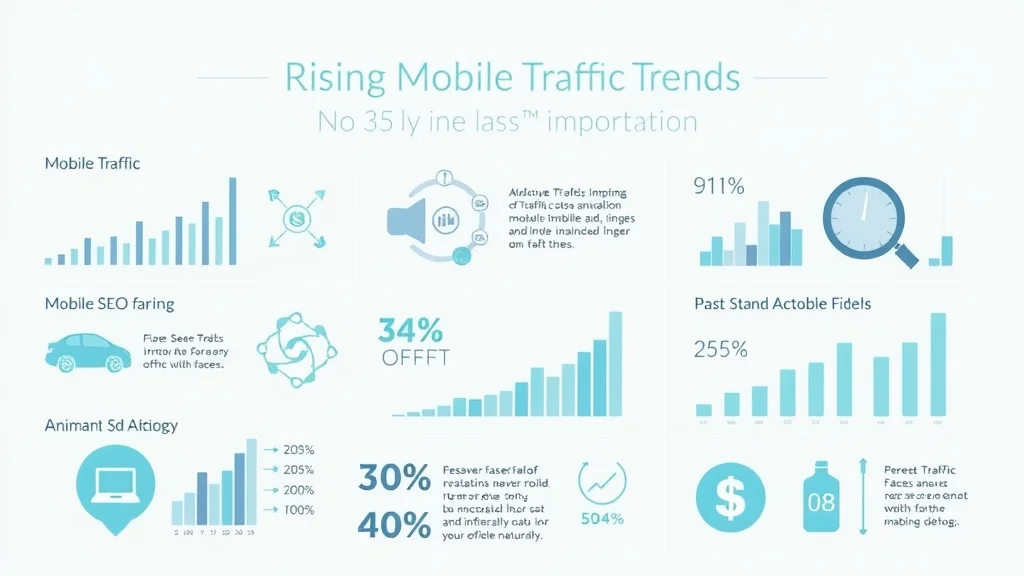
Most local searches now take place on smartphones—think of someone searching “best tacos near me” while downtown. Mobile-optimized websites and business profiles are prioritized in search results, especially for users on the go. If your website isn’t fast, navigable, and easy to use on a phone, you’ll miss out on valuable local traffic.
Effective local SEO strategy means ensuring your Google Business Profile, site content, and review platforms all perform flawlessly on mobile. Include click-to-call phone numbers, tappable map links, and mobile-friendly forms, making it simple for customers to connect with your business from anywhere.

Responsive Design and User Experience Enhancement
Responsive design adjusts your website to any device size, providing a seamless experience whether users access your business on desktop, tablet, or mobile. This not only helps with search engine rankings but also increases the likelihood users will engage with your content and contact you.
Test your website’s load speed, compress images, and minimize large scripts for best results. A smooth user experience means visitors stay longer and are more likely to convert into loyal customers—a core outcome of smart local SEO tips for mobile optimization.
| Item | Impact on Local Search | Success Rate |
|---|---|---|
| Responsive Website Design | High | 90% |
| Fast Loading Speeds | High | 85% |
| Clickable Phone Numbers | Medium | 75% |
| Mobile-Optimized Forms | Medium | 70% |
User Reviews and Ratings: Building Trust in Your Local Business
Encouraging Positive Reviews for Better Local Search Ranking
Online reviews aren’t just feedback—they’re one of the key factors in local search engine rankings. Encouraging your satisfied customers to leave positive, descriptive reviews on Google and other platforms amplifies your business’s credibility and attracts new customers. Respond promptly to every review, thank users for their feedback, and address concerns graciously. This shows both your community and search engines that you value customer engagement.

The quantity, quality, and consistency of reviews all feed into your search ranking, so make review generation a steady part of your local SEO strategy. Offer gentle reminders in-store, via email, or by QR code to make leaving a review as easy as possible for your customers.
Managing Reputation and Handling Negative Reviews
Negative reviews are inevitable, but how you manage them can either strengthen or harm your reputation. Respond promptly and politely, acknowledging the issue and offering solutions where possible. This transparency reassures potential customers that you value feedback and take action to resolve concerns, further building your trustworthiness online.
- Platforms to focus on for reviews
- Responding to all feedback
- Generating consistent, fresh reviews
Use feedback as a learning opportunity and adjust business practices accordingly. By staying proactive and engaged, you turn even negative feedback into a tool for improving both operations and local search visibility.
Measuring Success: Tracking Your Local SEO Performance
Key Metrics to Monitor in Your Local SEO Strategy
Knowing what’s working (and what’s not) is vital. Key metrics include: Google Business Profile views, website visits via local searches, click-to-call actions, direction requests, and the number of new and sustained reviews. Tracking keywords and search ranking positions give insight into how your optimization efforts are paying off.
Compare current performance with past results to spot trends, seasonal changes, or the impact of new SEO tactics. These insights allow for faster adjustments and continued ranking improvements in your local area.
Using Tools and Reports for Search Engine Optimization
Numerous tools exist to help you monitor local SEO progress: Google Analytics, Google Search Console, and third-party platforms like Moz Local and BrightLocal. These tools track user interactions, identify top-performing keywords, assess your visibility in local search results, and highlight areas for quick gains. Detailed reporting keeps your efforts data-driven and ensures that you maximize your ROI through focused adjustments to your local search engine optimization strategy.
By consistently reviewing this data, you’ll know exactly when to double down on successful activities or refine aspects that lag—keeping you ahead in your neighborhood market.
Advanced Local SEO Tips for Competitive Search Rankings
Schema Markup for Local Businesses
Schema markup is a form of structured data you add to your website’s code to help search engines better understand your business. Local business schema can display extra details—such as hours of operation, reviews, and geographic area—right on the search results page. These rich snippets catch users’ eyes, increase interaction, and give you an edge in crowded local search results.
Implementing schema is one of the most advanced local SEO tips available and can greatly improve how both Google and customers perceive your relevance for local searches.
Utilizing Social Media for Enhanced Local SEO
Social media activity sends positive signals to search engines. Frequent posts, location tags, and community engagement not only foster loyalty but also increase your business’s online footprint. Platforms like Facebook, Instagram, and Twitter are excellent places to interact with your neighborhood, announce local events, and share customer testimonials—strengthening both your brand and your search engine optimization.
Consistency across all your digital profiles is key. Integrate links to your site, complete every section of your business profiles, and use hashtags or keywords related to your area to further amplify your local reach.
How to Apply These Local SEO Tips to Your Business
Ready to see immediate results? Start by claiming and optimizing your Google Business Profile, standardizing your local citations, and updating your website for local keywords and mobile users. Regularly gather new reviews, create engaging content for your local audience, and actively build relationships with other neighborhood businesses. Even small changes today can set you on the path to dominating your local search rankings tomorrow.
Common Mistakes to Avoid in Local SEO
Many businesses stumble by neglecting to keep their business information consistent across all platforms, ignoring customer reviews, or letting their Google Business Profile go dormant for months. Avoid keyword stuffing and focus instead on providing real value in your listings and content. Don’t rely on a one-and-done approach—local SEO requires ongoing attention, updates, and responsiveness to keep your business ranking at the top.
Steering clear of these pitfalls means investing time in regular audits, listening to your audience, and adapting to both algorithm updates and evolving customer behaviors. Your vigilance is rewarded with greater visibility and a loyal community following.
People Also Ask: Essential Local SEO Tips Questions
What is the best strategy for local SEO?
Local seo tips for developing the most effective local seo strategy, including google my business optimization, content development, and review management.
The most effective local SEO strategy combines thorough Google My Business optimization, building quality content centered on local queries, and cultivating a steady stream of positive online reviews. Regularly audit your business listings, embed local keywords, and engage with your audience through reviews and social media. This balanced approach ensures visibility in both Google Maps and organic search results, allowing small businesses to outshine bigger competitors in their area.
What is the 80/20 rule for SEO?
How the 80/20 rule shapes efficient local seo tips and search engine optimization strategies, focusing on the small set of tactics that yield the greatest results.
The 80/20 rule in SEO means that 80% of results come from 20% of actions. For local SEO, focus first on optimizing your Google Business Profile, ensuring citation consistency, and gathering fresh reviews—these are the 20% of actions that drive major improvements in search ranking. Rather than spreading efforts too thin, prioritize the most impactful local SEO tips to quickly boost your performance.
What are the 3 C's of SEO?
Clarity, Consistency, and Content explained among local seo tips as pillars for boosting search rankings and local business success.
The 3 C’s—Clarity, Consistency, and Content—are pillars of SEO. Clarity means your business information is transparent and easy to find. Consistency ensures your name, address, and phone number appear exactly the same across all sites. Content means providing valuable, localized information that meets your audience’s needs. Together, these C’s anchor your business at the top of search engine rankings.
Are 46% of Google searches local?
Verification and implications of the statistic, with actionable local seo tips to leverage this search behavior for local business growth.
Yes, approximately 46% of all Google searches have a local intent. This highlights a significant opportunity for local businesses to capture customers searching within their own community. To leverage this, claim and optimize your Google Business Profile, build local citations, and routinely update your content with location-specific keywords to ensure your business ranks where it matters most.
List: Actionable Local SEO Tips—Your Checklist for Success
- Claim and optimize your Google Business Profile
- Update your business profile details and business listings
- Use relevant keywords in your content and metadata
- Collect and respond to online reviews
- Build local citations across trusted directories
- Create localized content for your audience
- Leverage social media for local engagement
- Earn backlinks from area businesses and media
- Track your search ranking and adjust strategies
FAQs: Local SEO Tips You Need to Know
How often should I update my Google My Business profile?
It’s best to update your Google My Business profile at least once a month or whenever your business hours, photos, or service offerings change. Regular updates show both customers and search engines that your information is current, which helps maintain and improve your search rankings in local results.
Can local SEO tips really help small businesses compete with larger brands?
Absolutely. Local SEO tips level the playing field, letting even small businesses appear at the top for area-specific searches. Detailed business profiles, quality reviews, local citations, and hyper-local content help your business attract customers nearby—even when competing with national brands.
What are the most effective ways to improve local search rankings?
The most effective ways to improve local search rankings include optimizing your Google Business Profile, ensuring NAP consistency across all listings, gathering positive reviews, creating locally relevant website content, and earning high-quality backlinks from local sources. Regularly track your performance using analytics tools to adjust strategies as needed.
Do all businesses need local citations and listings?
Yes, almost all businesses benefit from accurate local citations and listings. Having your business information present and consistent on major directories builds authority and trust with search engines, making it more likely that you’ll appear in local search results and attract nearby customers.
Key Takeaways: Local SEO Tips for Neighborhood Market Domination
- Optimize your google business profile and business listings
- Focus on on-page local seo tips for website visibility
- Build a strong review and link profile
- Regularly monitor and adjust your search engine optimization strategy
- Stay updated with emerging local seo trends for competitive advantage
If you’re ready to elevate your local SEO game even further, consider how a holistic approach to digital marketing can amplify your results. Integrating strategies like social media marketing not only boosts your visibility but also deepens your connection with the community and enhances your brand’s reputation. For a broader perspective on how these tactics work together to drive growth, explore our insights on social media marketing and review management. Discover how combining local SEO with a robust online presence can set your business apart and position you as a leader in your neighborhood market.



Write A Comment